-2-1.png)

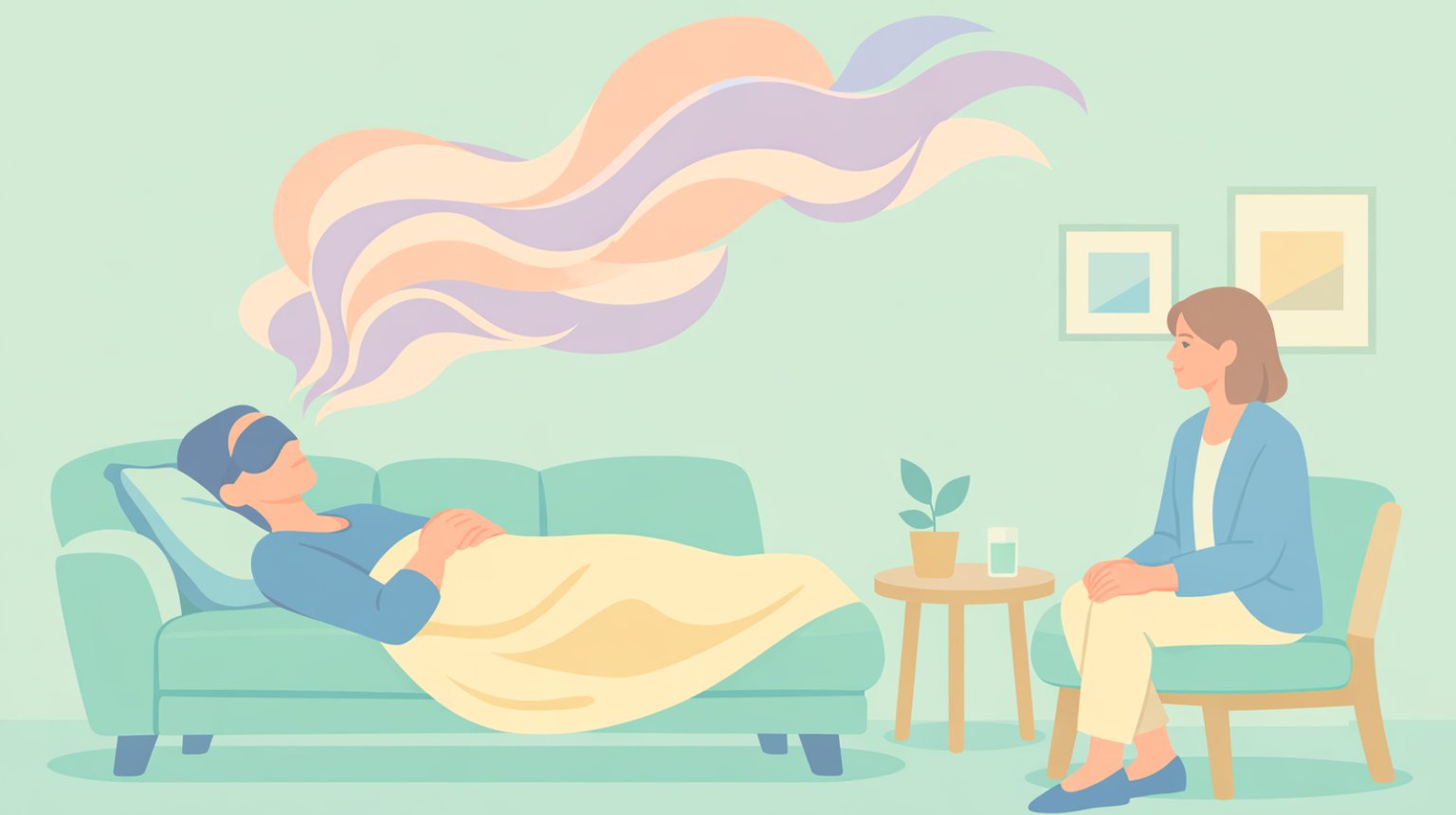
So, you’re considering taking “magic mushrooms”, the moniker for the psychedelic compound psilocybin, which some research has shown can potentially ease symptoms of depression and anxiety, and, figuratively speaking, rewire the brain, or change patterns through new learning. You probably have plenty of questions, and one of the first is usually, “How long does the experience last?”
Psilocybin can dramatically alter perception of time itself, which makes not knowing the trajectory of a trip one of the biggest sources of anxiety. And while different factors – like the type of drug you take, the dosage, and setting – can factor into the length of the trip, the answer is fairly straightforward.
The Short Answer: 4 to 6 Hours
According to researchers, a psilocybin mushroom experience generally lasts 4 to 6 hours from start to finish. You should feel the effects within 20 to 40 minutes, and the experience peaks between hours 2 and 3. This general timeline is consistent across clinical trials, retreat settings, and decades of observational data.
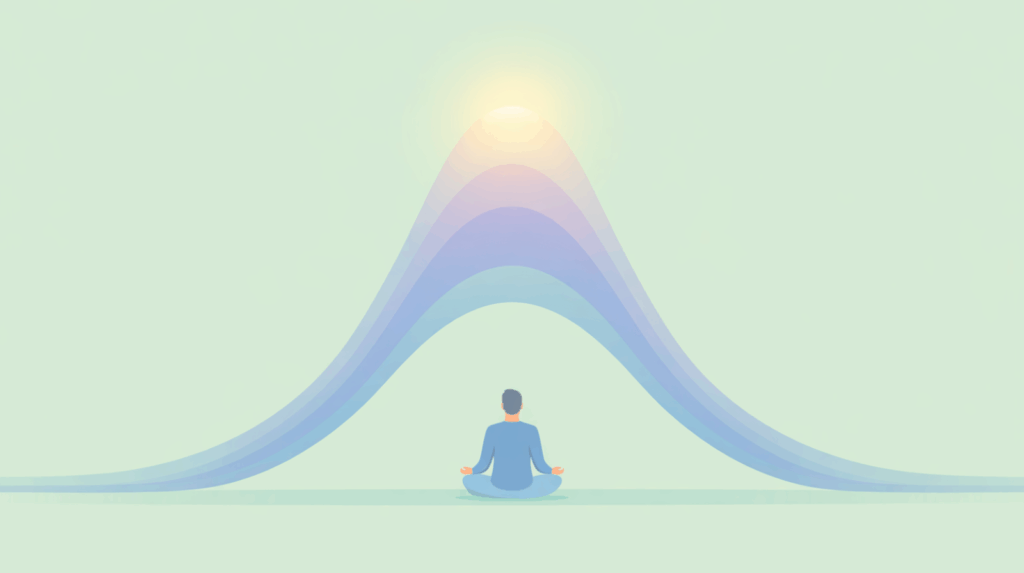
That said, the timing is flexible. Your metabolism, dosage, preparation method, and “set and setting” can all influence how the experience unfolds.
Why a Trip Can Feel Longer
One important caveat: while the experience may last 4 to 6 hours on paper, expect time to feel quite different while under the influence. Psilocybin disrupts the brain’s timekeeping systems, causing what’s called “time dilation”, where moments feel stretched out or slowed down, or “loss of linear time” where past, present, and future blur together. Minutes may geel like hours, hours may feel like minutes, or time may appear to stand still. In short: psilocybin may erase the concept of time from your mind altogether.
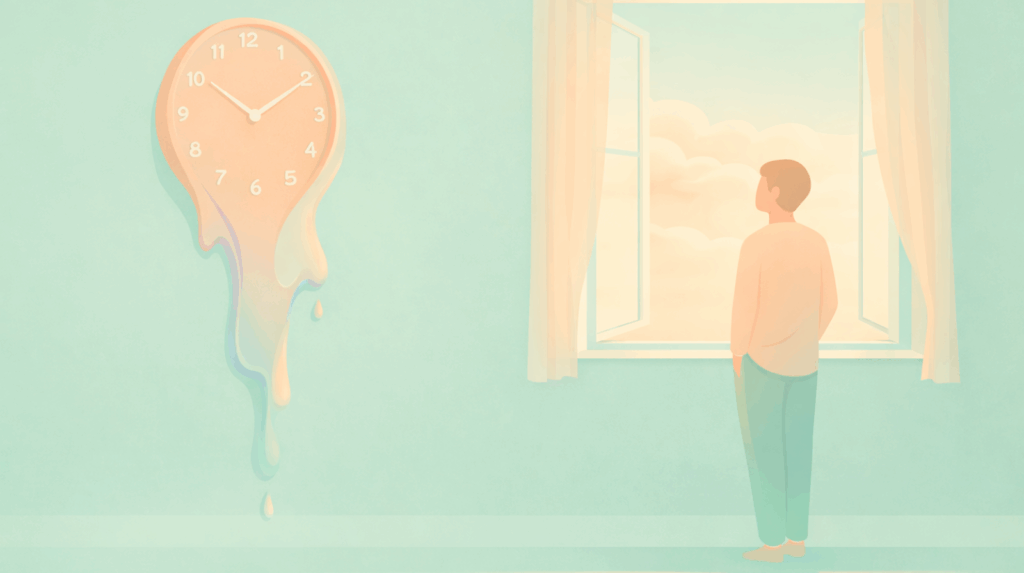
For first-time users, this distortion of time can be unsettling. When the sense of time stretches, it’s easy to worry that the experience is lasting “too long” or that something has gone wrong. Rest assured that this altered time perception is a temporary, chemically driven effect. As the body metabolizes psilocybin, normal time perception gradually returns.
Some people may find it helpful to question what about their experience is causing panic, coming to the realization that all states are temporary and ‘letting go’ of them, as the saying goes, can be a powerful lesson applicable to life even in sobriety
Hour-by-Hour Timeline: What to Expect
Below is a an example of a “typical” trip timeline, but it’s crucial to know that experiences are going to vary from person to person. You should also understand that not every trip is a positive experience, and, as long as you are safe, that’s ok.
| Hours 0-1: Onset | Hours 2-3: Peak | Hours 4-6: Comedown | |
| Emotional | Anxiety, excitement, nervousness | Intense feelings like crying, laughing, panic, fear, euphoria, memory recall, introspection, a loss of personal boundaries | Contentment, relief, gratitude, joy, “afterglow” |
| Physical | Temperature changes, tingling, increased heart rate or breathing, feeling heavy or light | Heightened sensitivity to touch, smell, music, etc., increased neural connectivity in the brain, disembodiment | Calm, refreshed, drained, appetite changes |
| Perceptual | Distortions including fractals or intense colors, confusion, rumination | Time dilation, synesthesia-like experiences, non-linear thinking | Insight, clarity, introspection |
| Social | Discomfort, withdrawal, annoyance | Deep connection, enhanced empathy and openness, introvertedness | Talkative, prosocial, connected, vulnerable |
Hour 0-1: The Onset
Psilocybin (in the form of mushrooms or truffles) is usually consumed by eating dried mushrooms or brewed into tea, though it can be prepared in other ways. Effects usually begin 20 to 40 minutes after ingestion. This phase is often physical and can be uncomfortable. You may feel light nausea, increased heart rate, chills, a sense of anticipation or nervousness, and heightened body awareness. Thoughts like “Is this too much?” or “Am I ready for this?” are common, even among experienced participants. These thoughts are simply responses to changes in brain function, which tend to subside in most cases
Hour 2-3: The Peak
This is the most intense phase of the experience. Visuals become more pronounced during this stage, and time distortion is strongest here. Emotions, memories, and the dissolution of personal boundaries can also become amplified. This is also where meaningful insights, emotional release, or “mystical experiences” tend to occur. In other words, you are fully “in it.”
Hour 4-6: The Comedown
This is the gradual return to ordinary consciousness. But rather than stopping abruptly, the experience tapers off in variable waves. You may feel sober for 10 to 20 minutes, then feel noticeably intoxicated again, then sober again. Knowing this prevents the false assumption that the trip is over before it actually is. By the end of this phase, most people feel grounded, tired, and clear.
Hour 7-48: The Afterglow
This is the sober period following the trip, where you may still feel open and reflective. It’s what researchers call the “afterglow phenomenon.” Many people are buoyed by an elevated mood, new clarity, and a sense of possibility, but it eventually fades after a couple of days. The afterglow can last for weeks or even months, though.
How Long Does Psilocybin Stay in My System?
Psilocybin is rapidly metabolized into psilocin in the body. While the acute effects end in 6 hours, psilocin can be detected in urine for up to 24 hours in some cases. Hair tests can theoretically detect psilocybin use for up to 90 days, but they are rare, expensive, and typically used only in very specific legal contexts.

Anecdotal stories suggest that drinking water or exercising “flushes” psilocybin out of your system faster, but it’s not true. Neither method will affect your metabolism enough to drastically shift the timeline. The most reliable factor for elimination is time.
Factors That Affect Trip Length
Lemon Tek vs. Raw Ingestion (The Acid Hack)
“Lemon tekking” involves making a “tea” by soaking mushrooms in lemon juice before ingestion. It’s important to note that although its a common practice, there is little to no data to support this method. The idea is that the citric acid is thought to convert psilocybin into psilocin before it enters the body. When mushrooms are ingested raw, psilocybin is converted after it enters the body. The people who use this method prefer it for its alleged ability to reduce nausea.
This pre-digestion process means lemon-mushroom tea has a:
- Faster onset (15 to 20 minutes)
- Shorter overall duration
- Stronger, sharper peak
Biological Factors
Weight, age, and metabolism can influence how quickly psilocybin is processed in the body. Older people reported less intense experiences, though this doesn’t mean age is directly correlated to intensity. And larger people sometimes need higher doses to feel the mushroom’s full effects.
Fasting vs. Full Stomach
An empty stomach generally leads to a faster onset and slightly stronger effects. Whereas a full stomach may slow the onset and soften intensity, but usually doesn’t change total duration dramatically.
Dosage (Does Taking More Mean Lasting Longer?)
A higher single dose usually increase intensity, not necessarily duration. A very large dose may stretch the experience a couple of hours, but it won’t double the timeline. If you “re-up” your dose, then you will extend the length of the trip.
Frequently Asked Questions
Before you apply
Beckley runs legal, guided psilocybin retreats in Jamaica and psilocybin retreats in the Netherlands: four weeks of preparation, two guided sessions on retreat, six weeks of integration, online and at your own pace, one to two hours a week. Plain answers to the questions people ask first:
What a psilocybin retreat costs · What happens, day by day · Jamaica or the Netherlands · Who should not attend · Apply
Sources
- MacCallum, Caroline A et al. “Therapeutic use of psilocybin: Practical considerations for dosing and administration.” Frontiers in psychiatry vol. 13 1040217. 1 Dec. 2022, doi:10.3389/fpsyt.2022.1040217.
- Jiang, Pu & Lin, Cong & Wang, Xiaohui. (2025). Psychedelics and time: Exploring altered temporal perception and its implications for consciousness, neuroscience, and therapy. Psychedelics. 1. 1-4. 10.61373/pp025p.0041.
- Brouwer, A., Raison, C. L., & Shults, F. L. (2025). The trajectory of psychedelic, spiritual, and psychotic experiences: implications for cognitive scientific perspectives on religion. Religion, Brain & Behavior, 15(3), 330–346. https://doi.org/10.1080/2153599X.2024.2349151
- Brouwer, A., Brown, J.K., Erowid, E. et al. A qualitative analysis of the psychedelic mushroom come-up and come-down. npj Mental Health Res 4, 6 (2025). https://doi.org/10.1038/s44184-024-00095-6
- Griffiths, Roland & Richards, William & Mccann, Una & Jesse, Robert. (2006). Psilocybin Can Occasion Mystical-Type Experiences Having Substantial and Sustained Personal Meaning and Spiritual Significance. Psychopharmacology. 187. 268-283. 10.1007/s00213-006-0457-5.
- Evens R, Schmidt ME, Majić T, Schmidt TT. The psychedelic afterglow phenomenon: a systematic review of subacute effects of classic serotonergic psychedelics. Therapeutic Advances in Psychopharmacology. 2023;13. doi:10.1177/20451253231172254
- Kettner, H., Roseman, L., Gazzaley, A., Carhart-Harris, R. L., & Pasquini, L. (2024). Effects of Psychedelics in Older Adults: A Prospective Cohort Study. The American Journal of Geriatric Psychiatry, 32(9), 1047-1059. https://doi.org/10.1016/j.jagp.2024.05.007
- Wolff, M., Evens, R., Mertens, L. J., Koslowski, M., Betzler, F., Gründer, G., & Jungaberle, H. (2020). Learning to Let Go: A Cognitive-Behavioral Model of How Psychedelic Therapy Promotes Acceptance. Frontiers in Psychiatry, 11, 501786. https://doi.org/10.3389/fpsyt.2020.00005