
-2-1.png)


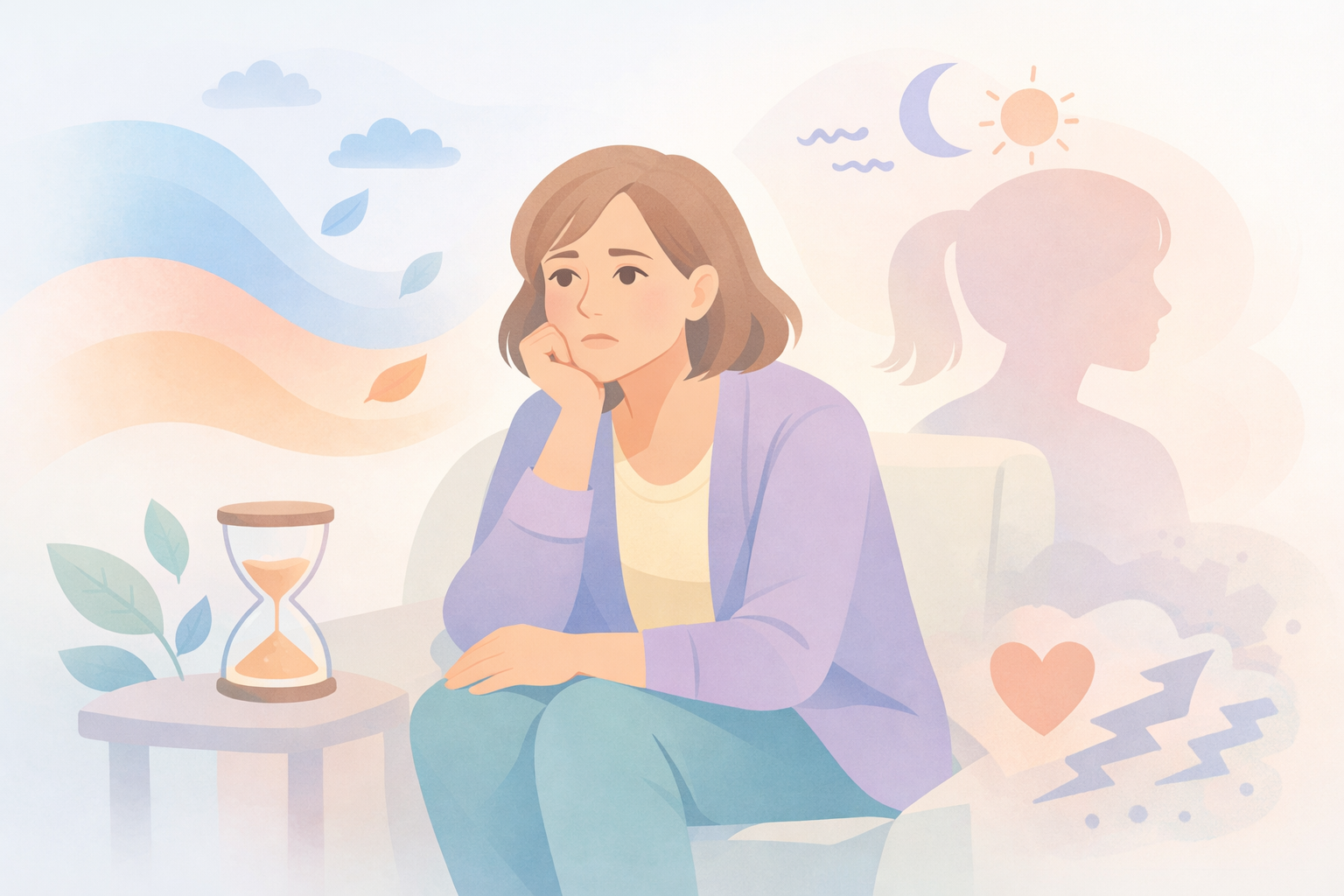
Perimenopause is the phase before menopause that is completely normal, but leaves many women feeling anything but. Perimenopause affects roughly half the population, but has been understudied, underfunded, and largely misunderstood. It’s also a topic previous generations didn’t discuss.
Recent analysis indicates that women in perimenopause are roughly 40 percent more likely to experience depression than women in the years immediately before or after this stage. A substantial portion of that burden is represented as anxiety, irritability, and a destabilized sense of self.
Psychological symptoms during this transitional phase, which usually begin around age 40 but can start as early as one’s mid-30s or as late as one’s 50s, are still often folded into discussions around hot flashes, irregular cycles, and weight gain. There is much more to it than that. The cost falls on the women living through the symptoms, often for years before someone connects the dots. As perimenopause is studied, acknowledged, and discussed more openly, there are ways to anchor the experience and find empowered meaning within this phase of life.
Why Perimenopause Can Affect Mood
Perimenopause is classified as the stretch of time leading up to menopause, when ovarian hormone production becomes less predictable. Estrogen and progesterone become less linear and fluctuate, sometimes quickly, from one cycle to the next. Since these hormones influence neurotransmitters such as serotonin and GABA, among others, those swings may show up as anxiety, irritability, or emotional fragility.
Sleep may also be affected during this phase. Night sweats, early wake times, and general restlessness can wear on the nervous system, and a few weeks of bad sleep can increase anxiety symptoms.
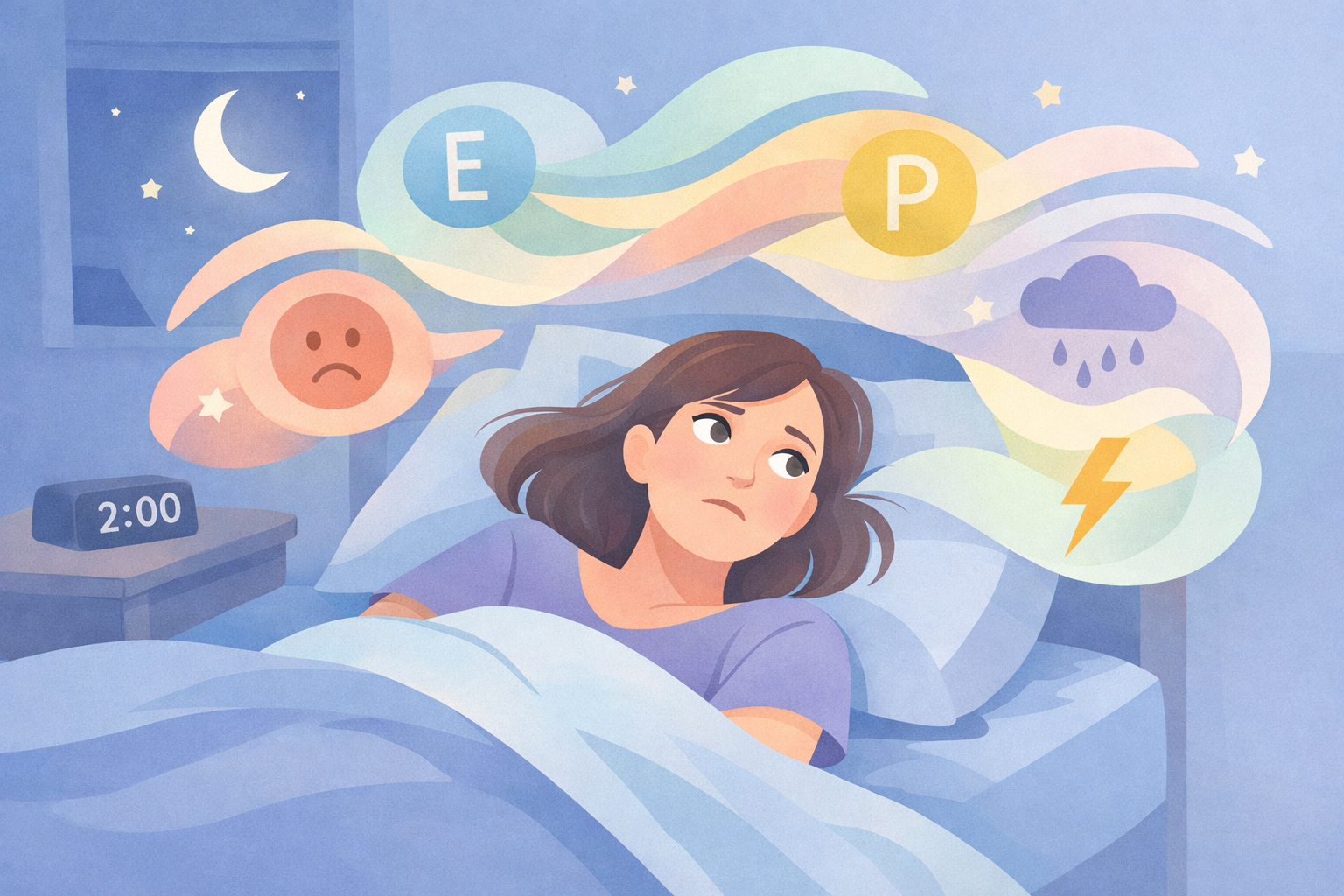
One’s personal history is also relevant, as women with a documented history of premenstrual syndrome (PMS), premenstrual dysphoric disorder (PMDD), postpartum depression (PPD), or anxiety disorders can be more vulnerable to mood symptoms during the menopausal transition. Earlier reactivity to hormonal changes is a meaningful clinical signal that perimenopause may present greater challenges.
Why This Stage Can Shift Your Sense of Self
Often, perimenopause coincides with big life experiences such as raising children, caring for aging parents, and reassessing relationships and career paths. The combined weight of these responsibilities can surface deep questions about identity, priorities, and one’s purpose in life.
Physical changes are another difficult part of perimenopause. Perimenopause is linked to a faster rise in cardiovascular disease risk, partly because body fat shifts toward the abdomen and away from the hips and thighs, even without major weight gain. This pattern raises the likelihood of heart disease risk factors and events. This shift in weight distribution can also alter self-perception and self-confidence. It may prompt grief and a reassessment of how women perceive their attractiveness, vitality, or femininity.
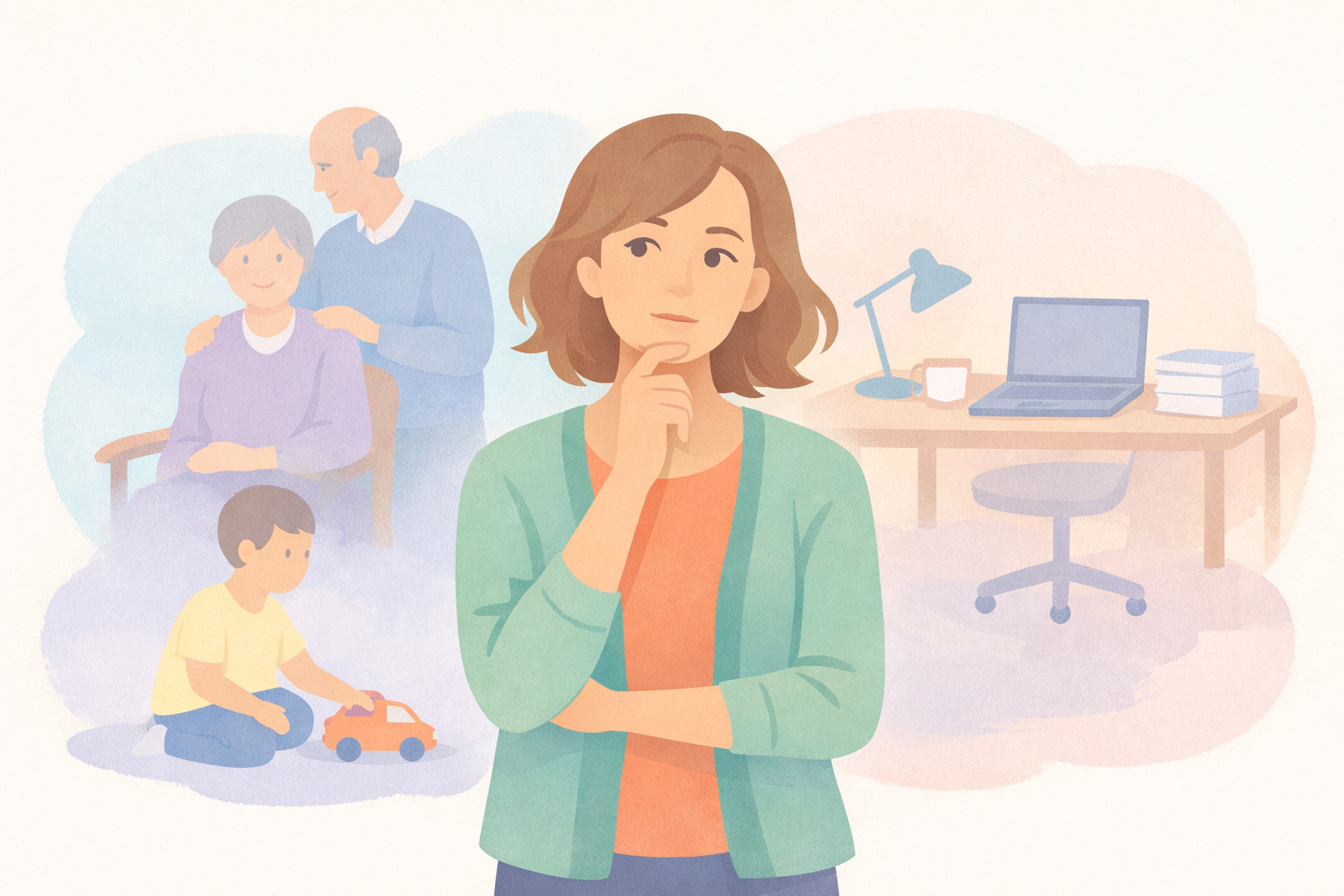
Many women describe perimenopause as the first opportunity they have taken to ask what they want the next chapter of their lives to look like. That reassessment can feel clarifying to some, while to others it can feel destabilizing, particularly if their mood is already low or anxiety is present.
How Anxiety Can Show Up During Perimenopause
Perimenopausal anxiety differs from anxiety people feel outside of this phase in a few ways. Common presentations of perimenopausal anxiety symptoms may include:
- Sudden irritability or a shorter emotional fuse (1, 7)
- Persistent dread or worry, even in the absence of specific stressors (2,7)
- Mood swings disproportionate to the precipitating event (1, 5)
- Brain fog, forgetfulness, and word-finding difficulties that fuel concerns about cognitive decline (8)
- A vague, but persistent sense of not being oneself. (3)
The final symptom is often the most distressing. Women describe feeling disconnected from the version of themselves they previously knew. They may feel less confident professionally, less patient, and more easily overwhelmed by routine tasks. The underlying mechanism is generally an issue with the nervous system and hormonal changes rather than a fundamental shift in the person. Simply knowing that these shifts are caused by perimenopause can be empowering and anchoring, which is often not the case. Even medical and mental health professionals often miss the signs.
When to Seek Clinical Support
Anyone going through perimenopause should expect some emotional turbulence. Certain signs, however, warrant professional medical evaluation. Pay attention to patterns surrounding:
- Anxiety or mood changes that interfere with daily life
- Panic attacks or persistent depressive symptoms
- Thoughts of self-harm or general hopelessness
- Symptoms that feel disproportionate to circumstances or that steadily get worse
- Sleep disturbances
A thorough medical evaluation helps distinguish which symptoms are caused by perimenopause and can allow for proper intervention. Thyroid dysfunction, anemia, sleep apnea, and clinical depression or anxiety disorders can mimic or compound perimenopausal symptoms, and each has its own care plan and treatment.
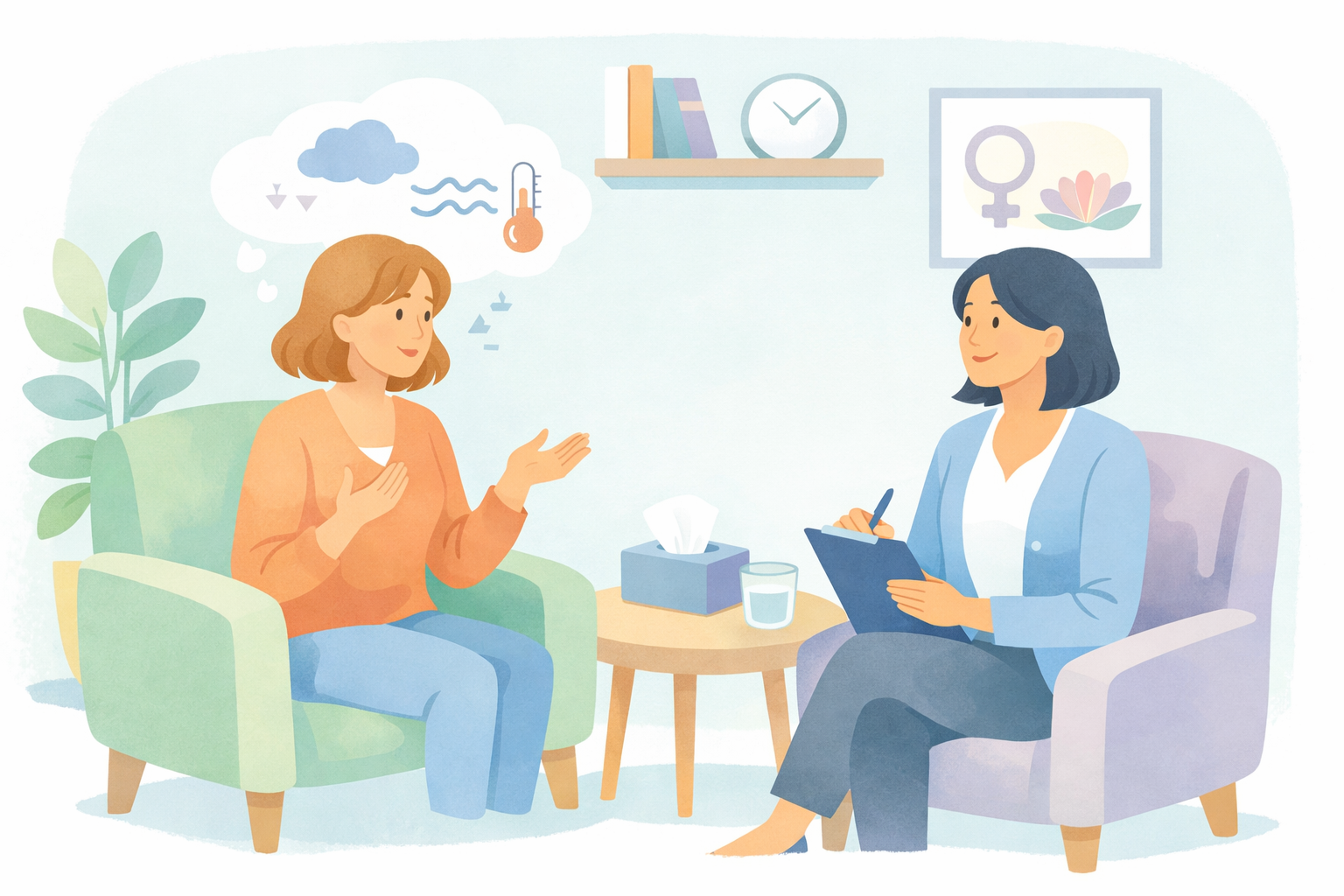
A menopause-informed provider, such as a clinician with specific training in the transitions into menopause, is best positioned to differentiate among the possible reasons for these symptoms and create an appropriate plan of action.
What Can Help
There is no single correct approach to treating perimenopausal anxiety. Effective care plans typically draw from several types of interventions and will vary depending on what the individual is experiencing.
Some things that may help include:
Therapy: Cognitive behavioral therapy (CBT) has strong evidence for helping with anxiety and menopause-related mood symptoms. A therapist who is familiar with the menopausal transition can also help address questions surrounding identity, relationship changes, and the combination of feelings such as grief and uncertainty that frequently surface during perimenopause.
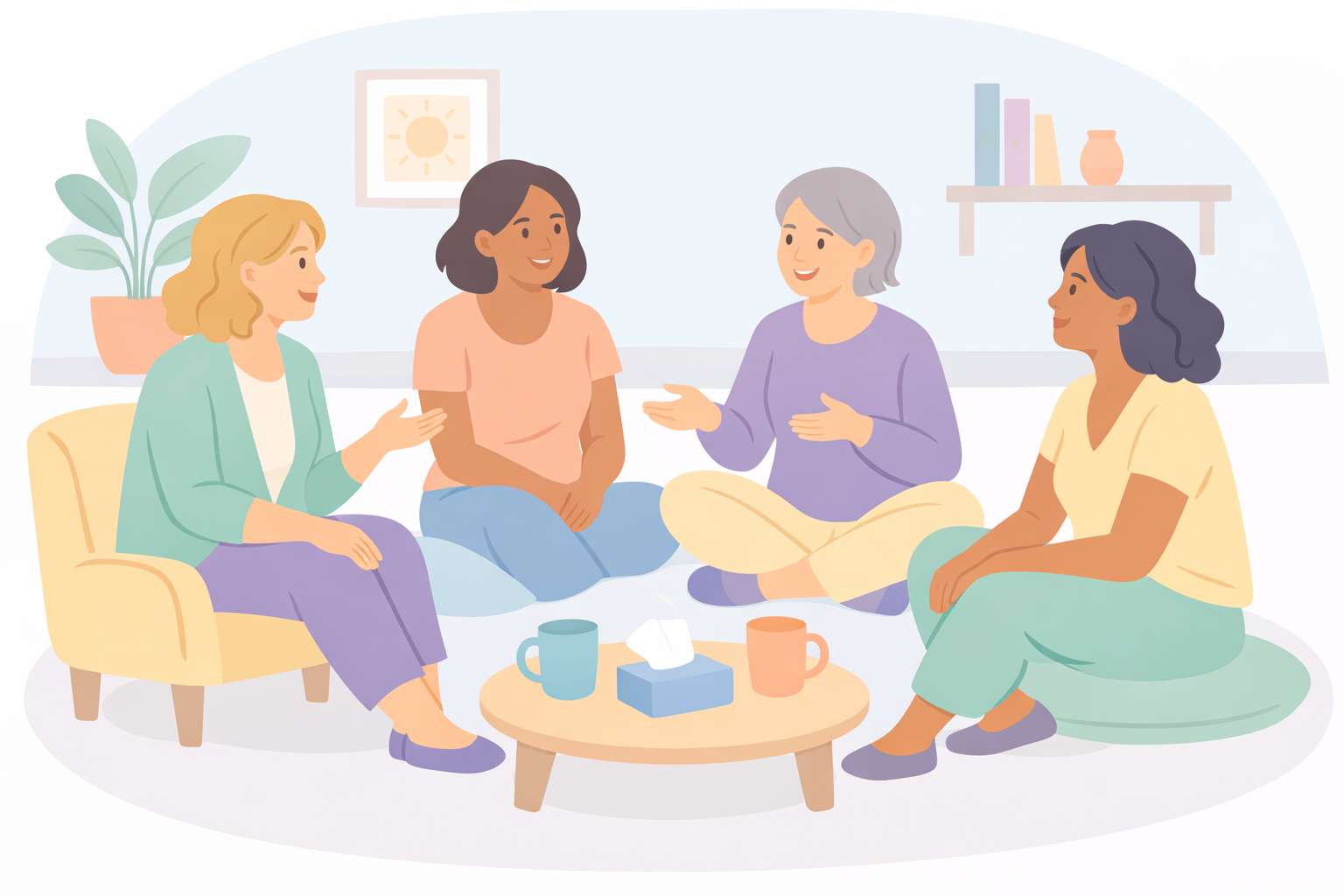
Lifestyle foundations: regular physical activity, consistent sleep routines, reduced alcohol intake, stress management, and mindfulness activities may not be a cure-all, but they can make this phase more manageable for many people in perimenopause. Social connection, particularly with peers experiencing the same thing, can have measurable benefits.

Medical options: When it is clinically appropriate, hormone therapy can ease many perimenopausal symptoms, including those related to mood. For women who cannot or prefer not to use hormone therapy, nonhormonal medications such as antidepressants can help with symptoms like depression, anxiety, and sleep. Risks and benefits should be weighed against your medical and family history in consultation with your health care provider
Psychedelic Assisted Therapies: Since perimenopause often includes symptoms like depression, anxiety, emotional volatility, sleep disruption, and trauma activation, we can look to emerging research on psychedelic-assisted therapy for insight into how these states may be supported. While no studies have been published specifically on perimenopause, psychedelics such as psilocybin and MDMA have shown promise in addressing many of the same underlying patterns of mood dysregulation and stress response.
What It Means
Perimenopause is a transitional period, even if it feels like it is a major shift in personal identity. The symptoms, such as anxiety, emotional turbulence, and weight shift that many women experience during this phase, are rooted in physiological changes and are very real.
If something doesn’t feel right, it is worth being curious about. Perimenopausal symptoms deserve the same care and attention as other health concerns. Regardless of the symptoms, evidence-based options can make this phase feel easier. A menopause-informed provider can help ensure that care addresses the physical, mental, and emotional changes that come with this phase.
Anyone who is currently experiencing perimenopausal anxiety should remember that they are not alone, that many women feel similarly, and that the symptoms ease as they transition out of perimenopause.
Frequently Asked Questions
Sources
- Coslov, Nina, and Marcia K. Maguire. "'Not Feeling Like Myself' in Perimenopause — What Does It Mean? Observations from the Women Living Better Survey." Menopause, vol. 31, no. 5, May 2024, journals.lww.com/menopausejournal/fulltext/2024/05000/_not_feeling_like_myself__in_perimenopause___what.6.aspx.
- "Depression More Likely During Perimenopause Than Before or After." Harvard Health Publishing, Harvard Medical School, 1 Aug. 2024, www.health.harvard.edu/womens-health/depression-more-likely-during-perimenopause-than-before-or-after. Accessed 12 May 2026.
- Dutchen, Stephanie. "The Mental Health Aspects of Menopause." Harvard Medicine Magazine, Spring 2021, magazine.hms.harvard.edu/articles/mental-health-aspects-menopause. Accessed 12 May 2026.
- Faubion, Stephanie S. "Tips for Managing the Range of Perimenopause Symptoms." Mayo Clinic Press, Mayo Clinic, mcpress.mayoclinic.org/women-health/tips-for-managing-the-range-of-perimenopause-symptoms/. Accessed 10 May 2026.
- "Menopause and Mental Health." Harvard Health Publishing, Harvard Medical School, 1 Mar. 2020, www.health.harvard.edu/womens-health/menopause-and-mental-health. Accessed 10 May 2026.
- "Perimenopause: Symptoms and Causes." Mayo Clinic, www.mayoclinic.org/diseases-conditions/perimenopause/symptoms-causes/syc-20354666. Accessed 12 May 2026.
- Nordling, Linda. “The Missing Pieces of Menopause Science.” Nature, 6 Mar. 2026, www.nature.com/articles/d41586-026-00692-9. Accessed 26 May 2026.
- "Position Statements." The Menopause Society, menopause.org/professional-resources/position-statements. Accessed 12 May 2026.
- Salamon, Maureen. "Menopause and Brain Fog: What's the Link?" Harvard Health Publishing, Harvard Medical School, 1 June 2022, www.health.harvard.edu/womens-health/menopause-and-brain-fog-whats-the-link. Accessed 11 May 2026.
- Weiss, Cynthia. "Mayo Clinic Q and A: Perimenopause Transitions and Concerns." Mayo Clinic News Network, 20 July 2023, newsnetwork.mayoclinic.org/discussion/mayo-clinic-q-and-a-perimenopause-transitions-and-concerns/. Accessed 12 May 2026.
Before you apply
Beckley runs legal, guided psilocybin retreats in Jamaica and psilocybin retreats in the Netherlands: four weeks of preparation, two guided sessions on retreat, six weeks of integration, online and at your own pace, one to two hours a week. Plain answers to the questions people ask first:
What a psilocybin retreat costs · What happens, day by day · Jamaica or the Netherlands · Who should not attend · Apply