-2-1.png)


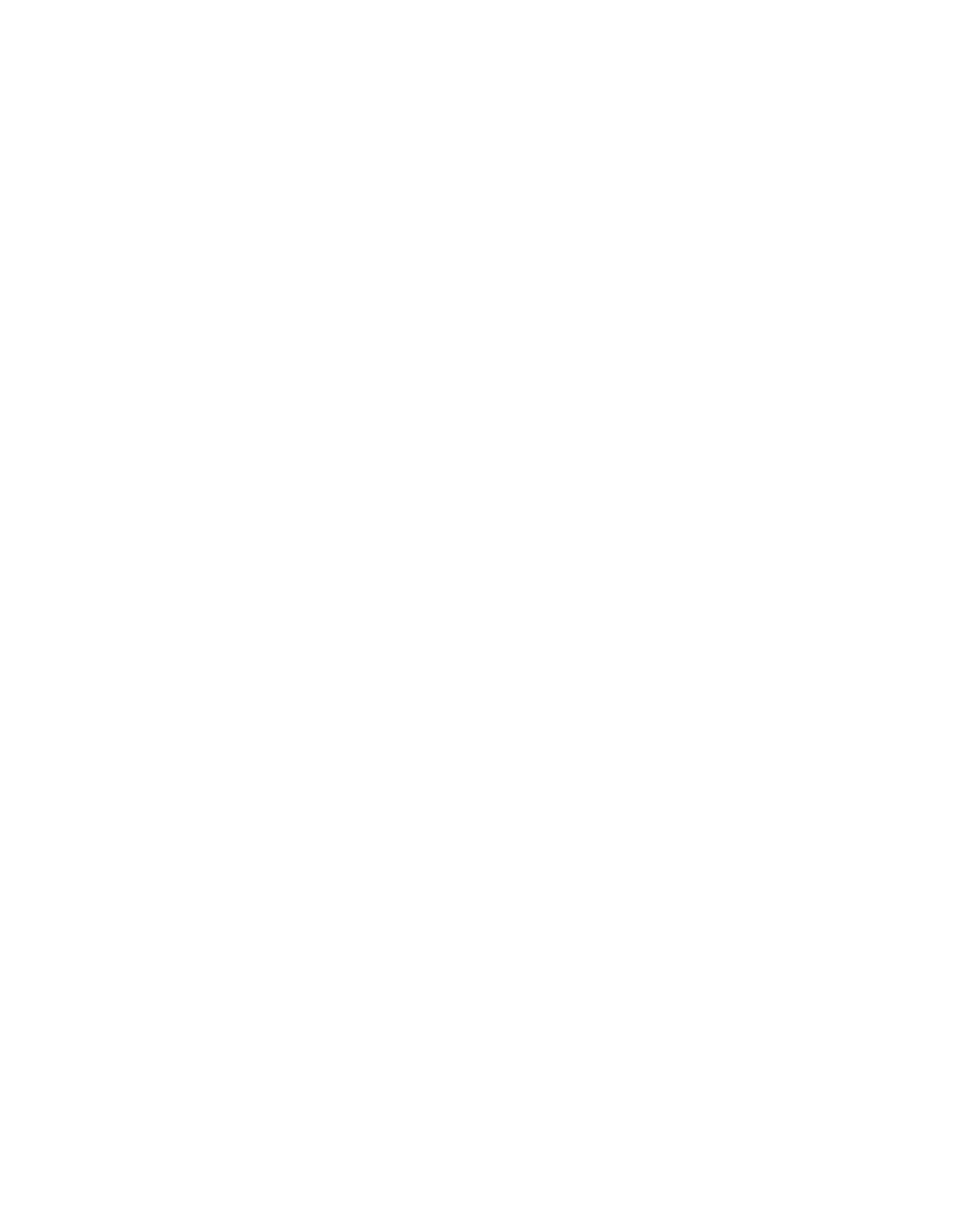
Anxiety doesn’t discriminate. It can affect postpartum moms, CEOs, clinicians, entrepreneurs, and people whose lives may look “easy” from the outside. In high-achieving professionals, though, anxiety doesn’t always look like panic or visible distress. It may manifest as ambient tension, chronic stress, perfectionism, overpreparation, trouble sleeping, irritability, rumination, difficulty disconnecting from work, or a constant need to control outcomes.
Over the past decade, clinical research has suggested that psilocybin-assisted therapy may help reduce anxiety and depressive symptoms in some populations, especially in studies involving people facing serious or life-threatening illness. But for high-functioning professionals who have already tried therapy, medication, or lifestyle changes with limited relief, the research raises important questions: How strong is the evidence? What might explain psilocybin’s therapeutic effects? And how well do findings from clinical populations translate to people dealing with chronic stress, performance pressure, and high-functioning anxiety?
Anxiety in High-Performance Professionals
High-functioning generalized anxiety is characterized by an ability to maintain outward competence while experiencing ongoing internal distress. Key features include:
- Persistent worry focused on performance, responsibilities, or future outcomes.
- Perfectionism, overcontrol, and avoidance of perceived failure.
- Physiological hyperarousal: tension, sleep disturbance, gastrointestinal symptoms, or headaches.
- Difficulty disengaging cognitively from work or responsibilities.
- Coexisting behaviors, such as overworking or difficulty delegating, can affect productivity.
These features of anxiety may help professionals meet deadlines and excel under pressure, but when chronic, they may cause burnout, decision paralysis, impaired relationships, and reduced well-being.
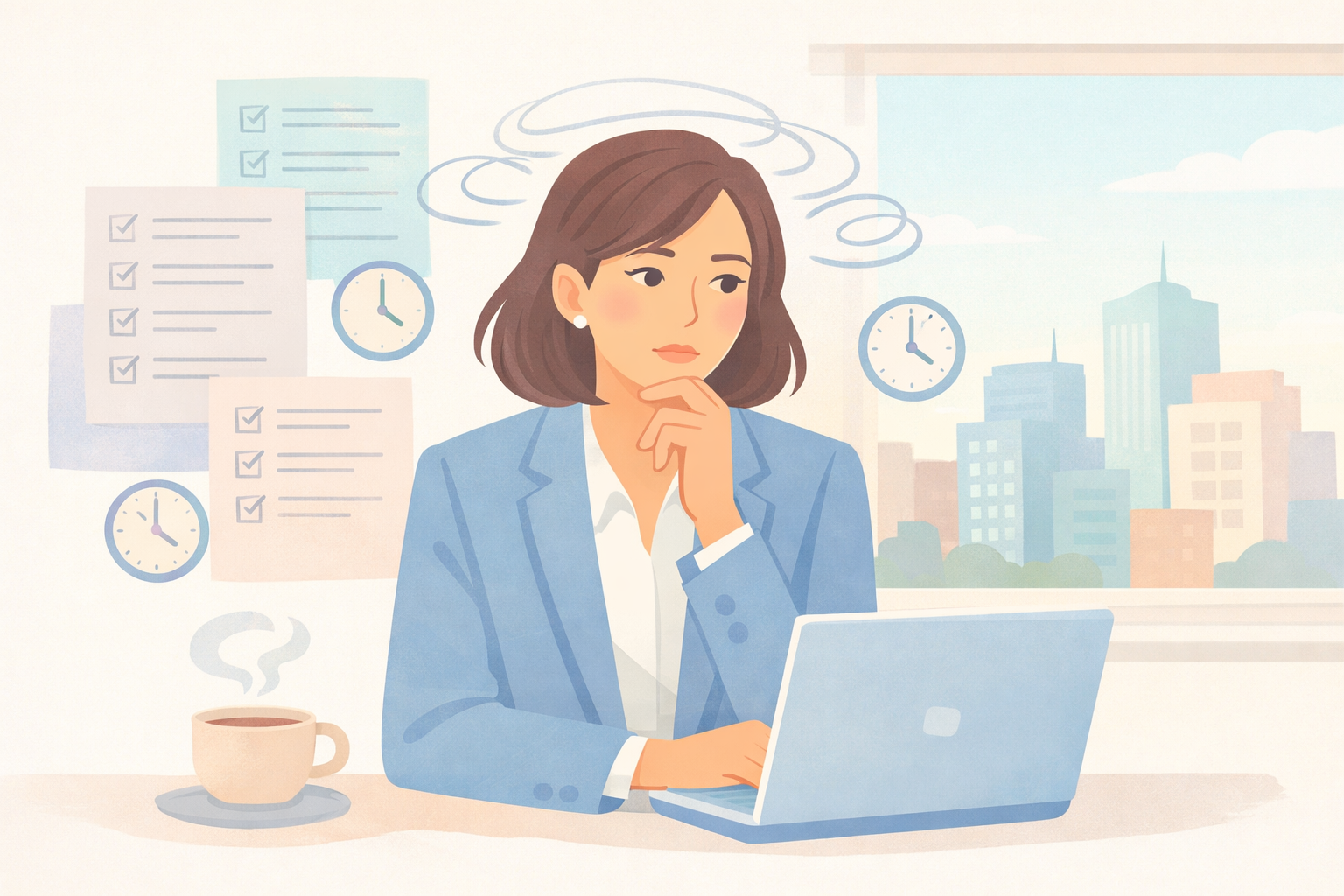
Traditional treatments (cognitive behavioral therapy, SSRIs, stress management, coaching) help many people, but some professionals report lingering symptoms. That may be in part because these treatments target the symptoms rather than the underlying cause of anxiety. Psilocybin, on the other hand, has the potential to treat the latter: One study, for instance, found that a single small dose of psilocybin produced an almost three-quarters response rate, compared to less than half with the SSRI (antidepressant) escitalopram.
What the Research Says About Psilocybin and Anxiety
Overall, research on psychedelic-assisted treatments for anxiety is promising but still preliminary. Studies show potential for symptom reduction, but samples are small, methods vary, and many questions remain about who benefits most, how long effects last, and how to deliver these therapies safely in real-world settings.
One review of nine clinical trials (testing ayahuasca, ketamine, LSD, MDMA, and psilocybin) found encouraging reductions in anxiety symptoms, improved self-perception and social functioning, and treatment effects that often lasted weeks, with no severe adverse events reported.
In another study, nine patients with OCD received up to four single doses of psilocybin (ranging from very low to hallucinogenic) in a controlled clinical setting to test safety and symptom effects. Psilocybin was well tolerated - with one hypertension episode - and produced marked, short-term reductions in OCD symptoms for all participants, with improvements often lasting beyond 24 hours.
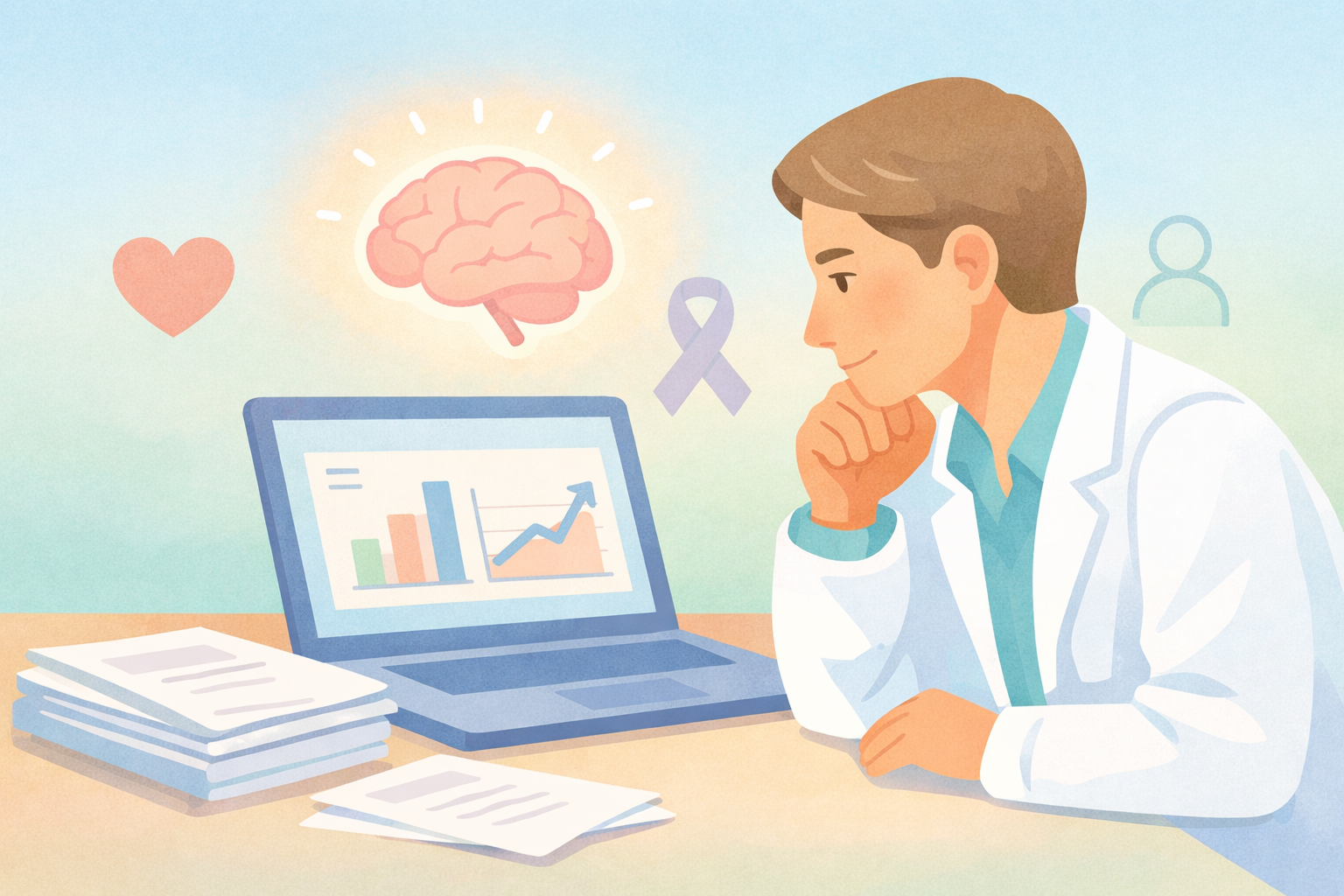
In a phase 2 double-blind trial of adults with treatment-resistant depression, participants received a single 25 milligram, 10mg, or 1mg (control) dose of synthetic psilocybin with psychological support. The 25 mg dose produced a significantly larger reduction in depression scores at 3 weeks than the 1 mg dose, with higher rates of response and remission at week 3. The 10 mg dose did not differ significantly from the control. In this instance, psilocybin was associated with common side effects (headache, nausea, dizziness) and some reports of suicidal ideation or behavior across groups, so larger and longer studies comparing to existing treatments are needed to confirm safety and durability.
Lastly, another study looked at whether feeling more connected to nature—which is sometimes an effect of psilocybin—relates to anxiety using two standard questionnaires and an open-ended question. People who felt more connected to nature reported lower overall anxiety and fewer worry-related thoughts, and interviews highlighted benefits like relaxation, time out, enjoyment, a sense of connection and perspective, and sensory engagement.
How Psilocybin May Affect Anxiety in the Brain
Researchers propose several interacting mechanisms through which psilocybin may reduce anxiety:
- Serotonin 2A receptor (5-HT2A) agonism: Psilocybin is converted to psilocin in the body, which primarily acts by stimulating certain brain receptors involved in mood and perception. This action can temporarily change how people think and feel and may make the brain more open to new ways of thinking.
- Modulation of the default mode network (DMN): Brain scans show that psilocybin temporarily weakens connections in the brain network tied to self-focused thinking and rumination. That "default mode network" is linked to constant worry and negative thought loops that keep anxiety going. By loosening those patterns briefly, psilocybin may help people see things differently and quiet their internal chatter.
- Increased cognitive flexibility and emotional processing: Psilocybin seems to make brain activity more flexible and less predictable for a short time, which can help people change how they see things and face emotions they've been avoiding. With therapy, this can make it easier to rethink problems, stop avoiding difficult feelings, and process emotions in healthier ways.
- Facilitated extinction and relearning: By promoting plasticity and reducing defensive avoidance, psilocybin sessions may enhance psychotherapy's ability to consolidate new learning, reduce fear responses, and weaken avoidance-driven habits.
The Role of Psychedelic-Assisted Therapy
Clinical trials uniformly combine psilocybin dosing with structured psychotherapy, including preparation, guided dosing sessions, and post-session integration. This framework is central for several reasons:
- Preparation sets intentions, establishes trust, screens for contraindications, and prepares participants for challenging experiences.
- Guided sessions provide a safe container: trained facilitators manage acute distress, maintain a calm environment, and help participants navigate intense emotions or memories.
- Integration translates insights into behavioral change. Therapists help participants process experiences, reframe narratives, and apply new perspectives to daily life, which is essential for sustained symptom reduction.
For high-performing professionals, the support around treatment matters because the aim isn't just a one-time experience but lasting changes in habits, stuck ways of thinking, and how they react to stress.
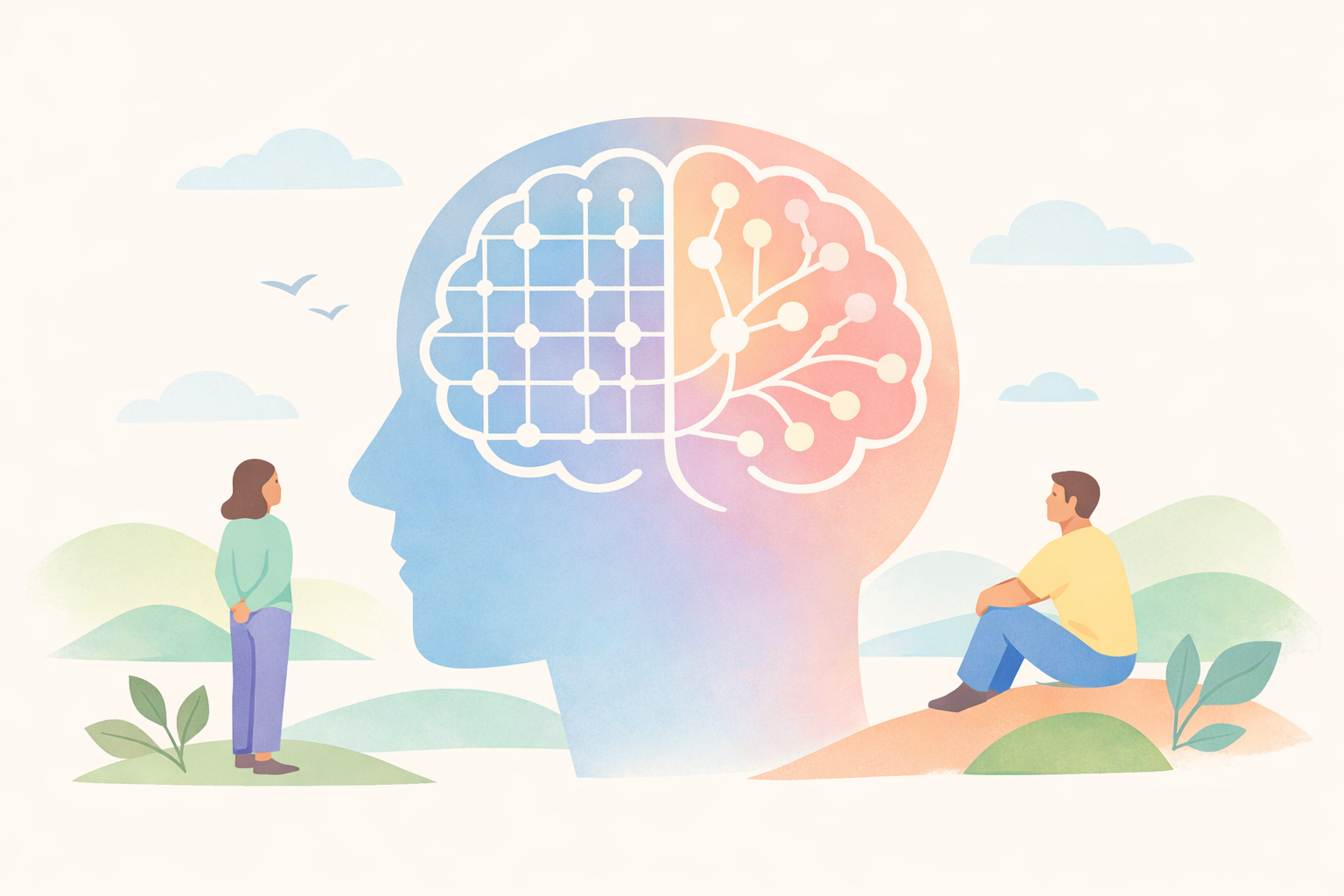
Integration may include executive coaching, targeted CBT elements, mindfulness practices, or habit-change strategies tailored to workplace stressors.
What the Research Still Doesn’t Know
Direct evidence for psilocybin helping high‑functioning performance anxiety is pretty thin: We’re mostly leaning on studies from cancer and treatment‑resistant depression, which are useful but not a perfect match. For the population of high-functioning professionals, we still don't 'officially' know the best dose, how many sessions people need, or the ideal way to integrate the experience, because studies use wildly different protocols. Larger, longer studies are needed to understand rare risks (such as lasting perceptual changes or triggering mania) and to determine who’s most likely to benefit. And even if the data stacks up, legal and clinical hurdles worldwide will shape who actually gets access.
Frequently Asked Questions
Sources
- Goldberg, Simon B., et al. “The Experimental Effects of Psilocybin on Symptoms of Anxiety and Depression: A Meta-Analysis.” Psychiatry Research, vol. 284, no. 284, Feb. 2020, p. 112749, www.sciencedirect.com/science/article/pii/S016517811930811X, https://doi.org/10.1016/j.psychres.2020.112749.
- Goodwin, Guy M., et al. “Single-Dose Psilocybin for a Treatment-Resistant Episode of Major Depression: Impact on Patient-Reported Depression Severity, Anxiety, Function, and Quality of Life.” Journal of Affective Disorders, vol. 327, no. 0165-0327, Apr. 2023, pp. 120–127, https://doi.org/10.1016/j.jad.2023.01.108.
- Carhart-Harris, Robin, et al. “Trial of Psilocybin versus Escitalopram for Depression.” New England Journal of Medicine, vol. 384, no. 15, 15 Apr. 2021, pp. 1402–1411, https://doi.org/10.1056/nejmoa2032994.
- Griffiths, Roland R, et al. “Psilocybin Produces Substantial and Sustained Decreases in Depression and Anxiety in Patients with Life-Threatening Cancer: A Randomized Double-Blind Trial.” Journal of Psychopharmacology, vol. 30, no. 12, 30 Nov. 2016, pp. 1181–1197. PubMed, https://doi.org/10.1177/0269881116675513.
- Carhart-Harris, R. L., et al. “Psilocybin with Psychological Support for Treatment-Resistant Depression: Six-Month Follow-Up.” Psychopharmacology, vol. 235, no. 2, 8 Nov. 2018, pp. 399–408, https://doi.org/10.1007/s00213-017-4771-x.
- Machado Ferreira, Ana Sofia , et al. “Change in Occupational Burnout Measures in Emergency Medical Service Workers after a Psychedelic Experience Induced by a Single Self-Administered Dose of Psilocybin Mushrooms.” AKJourn: Journal of Psychedelic Studies, 9 Sept. 2025, akjournals.com/view/journals/2054/9/1/article-p20.xml.
- Feulner, Leah, et al. “Efficacy and Safety of Psychedelics in Treating Anxiety Disorders.” The Ochsner Journal, vol. 23, no. 4, 1 Jan. 2023, pp. 315–328, www.ncbi.nlm.nih.gov/pmc/articles/PMC10741816/#R68, https://doi.org/10.31486/toj.23.0076.
- Fa, Moreno, et al. “Safety, Tolerability, and Efficacy of Psilocybin in 9 Patients with Obsessive-Compulsive Disorder.” The Journal of Clinical Psychiatry, 1 Nov. 2006, pubmed.ncbi.nlm.nih.gov/17196053/.
- Goodwin, Guy M., et al. “Single-Dose Psilocybin for a Treatment-Resistant Episode of Major Depression.” New England Journal of Medicine, vol. 387, no. 18, 3 Nov. 2022, pp. 1637–1648, www.nejm.org/doi/full/10.1056/NEJMoa2206443, https://doi.org/10.1056/nejmoa2206443.
- Martyn, Patricia, and Eric Brymer. “The Relationship between Nature Relatedness and Anxiety.” Journal of Health Psychology, vol. 21, no. 7, 4 Nov. 2014, pp. 1436–1445, https://doi.org/10.1177/1359105314555169.
- Raval, Nakul Ravi, et al. “A Single Dose of Psilocybin Increases Synaptic Density and Decreases 5-HT2A Receptor Density in the Pig Brain.” International Journal of Molecular Sciences, vol. 22, no. 2, 15 Jan. 2021, www.ncbi.nlm.nih.gov/pmc/articles/PMC7830000/, https://doi.org/10.3390/ijms22020835.
- Gattuso, James J, et al. “Default Mode Network Modulation by Psychedelics: A Systematic Review.” International Journal of Neuropsychopharmacology, vol. 26, no. 3, 22 Oct. 2022, pp. 155–188, https://doi.org/10.1093/ijnp/pyac074.
- Adams, Nicki. “The Healing Brain: How Psychedelics Support Emotional Flexibility.” Beckleyretreats.com, Beckley Retreats, 10 Apr. 2026, www.beckleyretreats.com/blog/the-healing-brain-how-psychedelics-support-emotional-flexibility. Accessed 6 May 2026.
Before you apply
Beckley runs legal, guided psilocybin retreats in Jamaica and psilocybin retreats in the Netherlands: four weeks of preparation, two guided sessions on retreat, six weeks of integration, online and at your own pace, one to two hours a week. Plain answers to the questions people ask first:
What a psilocybin retreat costs · What happens, day by day · Jamaica or the Netherlands · Who should not attend · Apply