
-2-1.png)


Over the past decade, psychedelic retreats have proliferated worldwide as interest in the therapeutic potential of psychedelic drugs like psilocybin (aka “magic mushrooms”) has grown. Clinical research showing promising outcomes for depression, anxiety, and end-of-life distress, combined with a broader cultural openness to alternative healing approaches, has created demand for guided psychedelic experiences. Europe, however, offers relatively few legal or semi-legal options for such retreats. Many countries maintain strict bans on psilocybin-containing fungi, limiting the availability of retreats that operate openly and transparently.
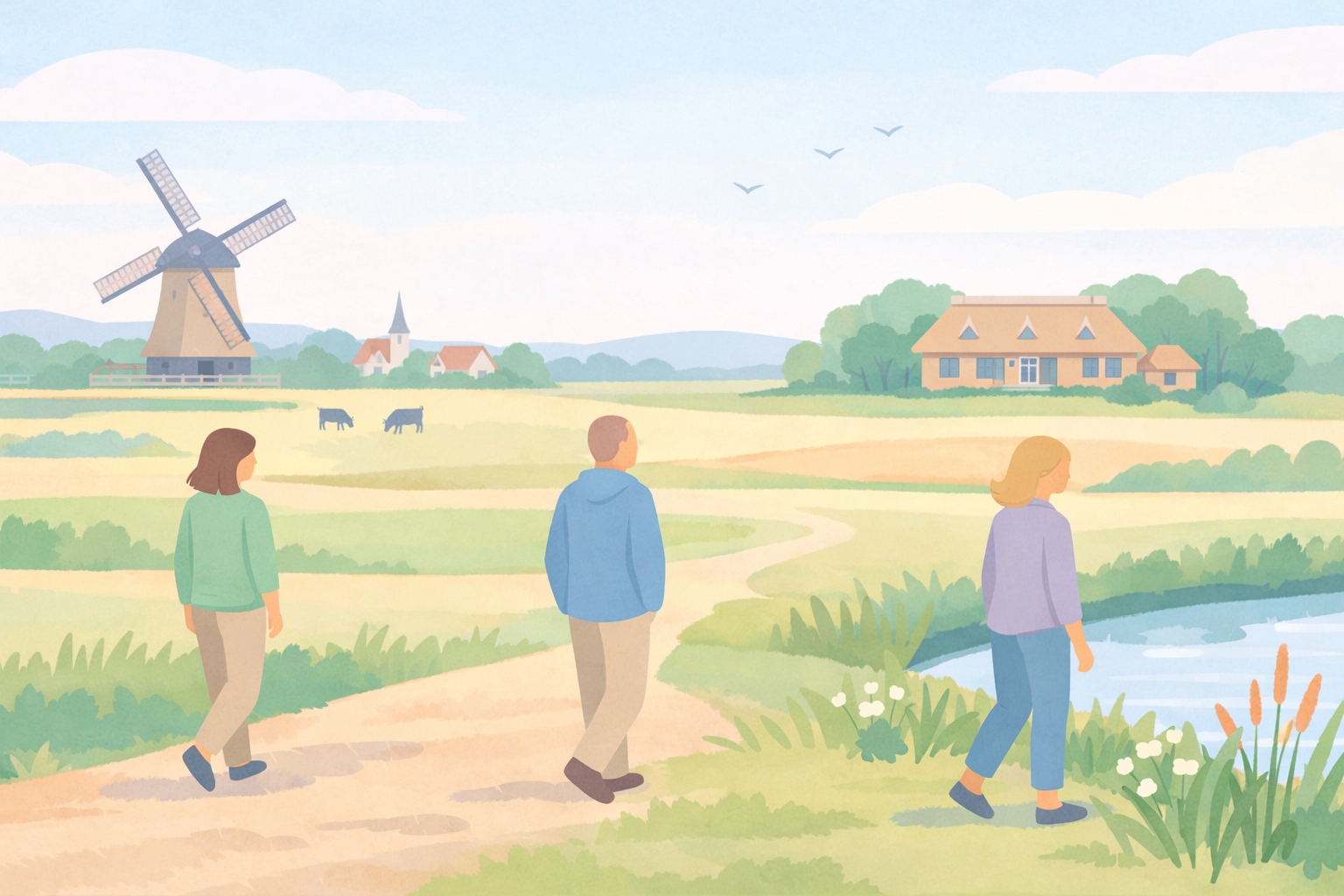
The Netherlands occupies a unique position in this landscape. While psilocybin-containing mushrooms were formally banned in 2008, a loophole remained for the underground sclerotia, a.k.a. “truffles.” Because truffles are a different fungal structure (the compact mass of mycelium rather than the mushroom fruiting body), they were not included in the mushroom prohibition and have remained legally sold in licensed “smart shops.” That legal nuance has allowed professional retreat operators to create structured, tourism-oriented programs that use psilocybin truffles under supervised conditions, making the Netherlands a practical and comparatively safe psychedelic hub for Europeans and international travelers.
The Legal Status of Psilocybin in the Netherlands
In 2008, the Netherlands amended its drug laws to prohibit psilocybin-containing mushrooms. However, truffles (sclerotia) were not listed in the ban and thus remain legal to produce, sell, and consume. These truffles contain the same active compounds (primarily psilocybin and psilocin) and produce nearly identical psychoactive effects as mushrooms, though some users report subtle differences in onset or intensity.
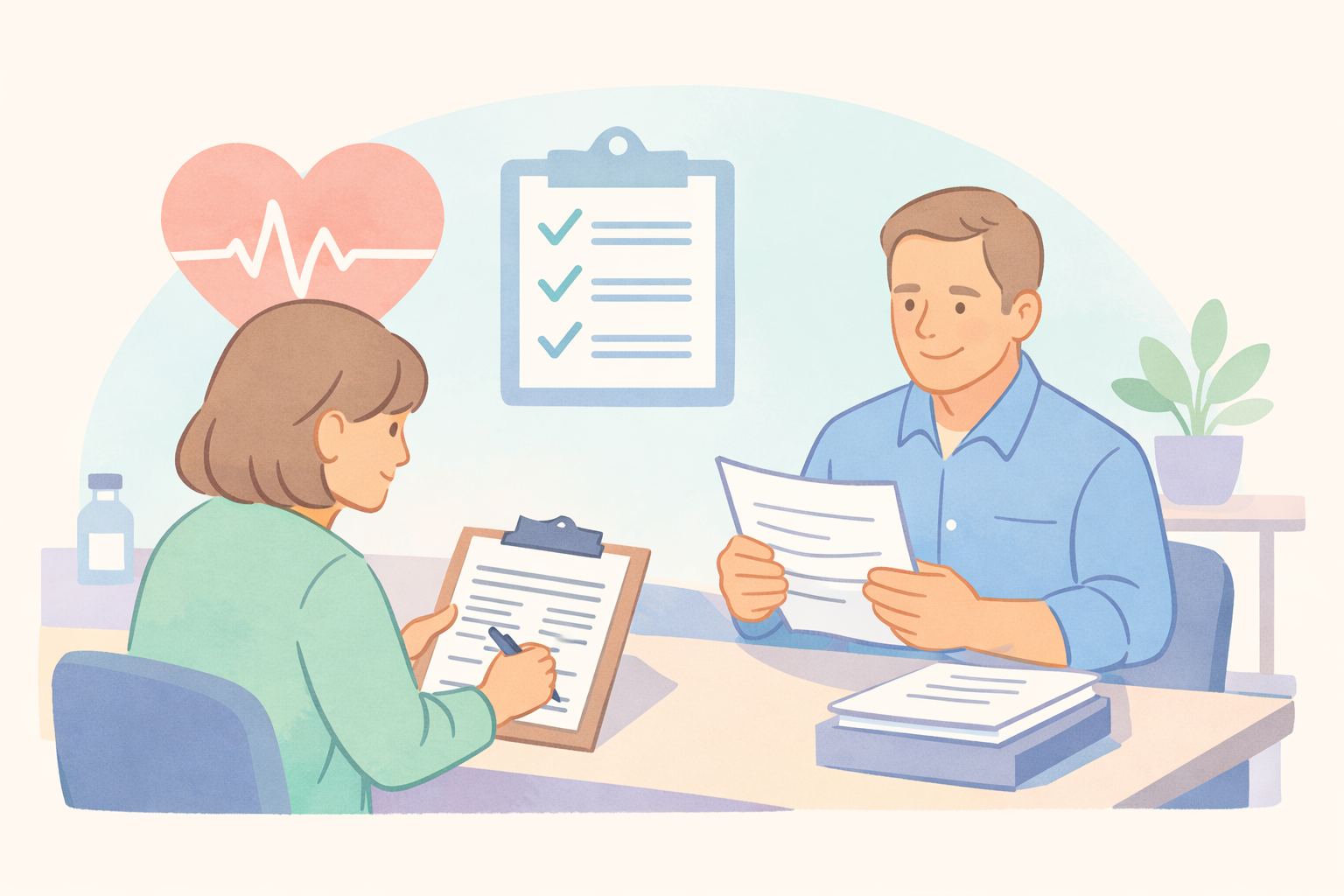
Truffles are sold openly in licensed smart shops across the country, often with guidance on dosing and expected effects. That legality applies to possession and consumption within the Netherlands but does not extend to other countries; transporting truffles across borders is illegal and can carry serious consequences. Additionally, legal availability does not mean unrestricted use: retailers and reputable retreat operators typically require age verification, informed consent, and sometimes pre-screening questionnaires.
What Retreats in the Netherlands Are Typically Like
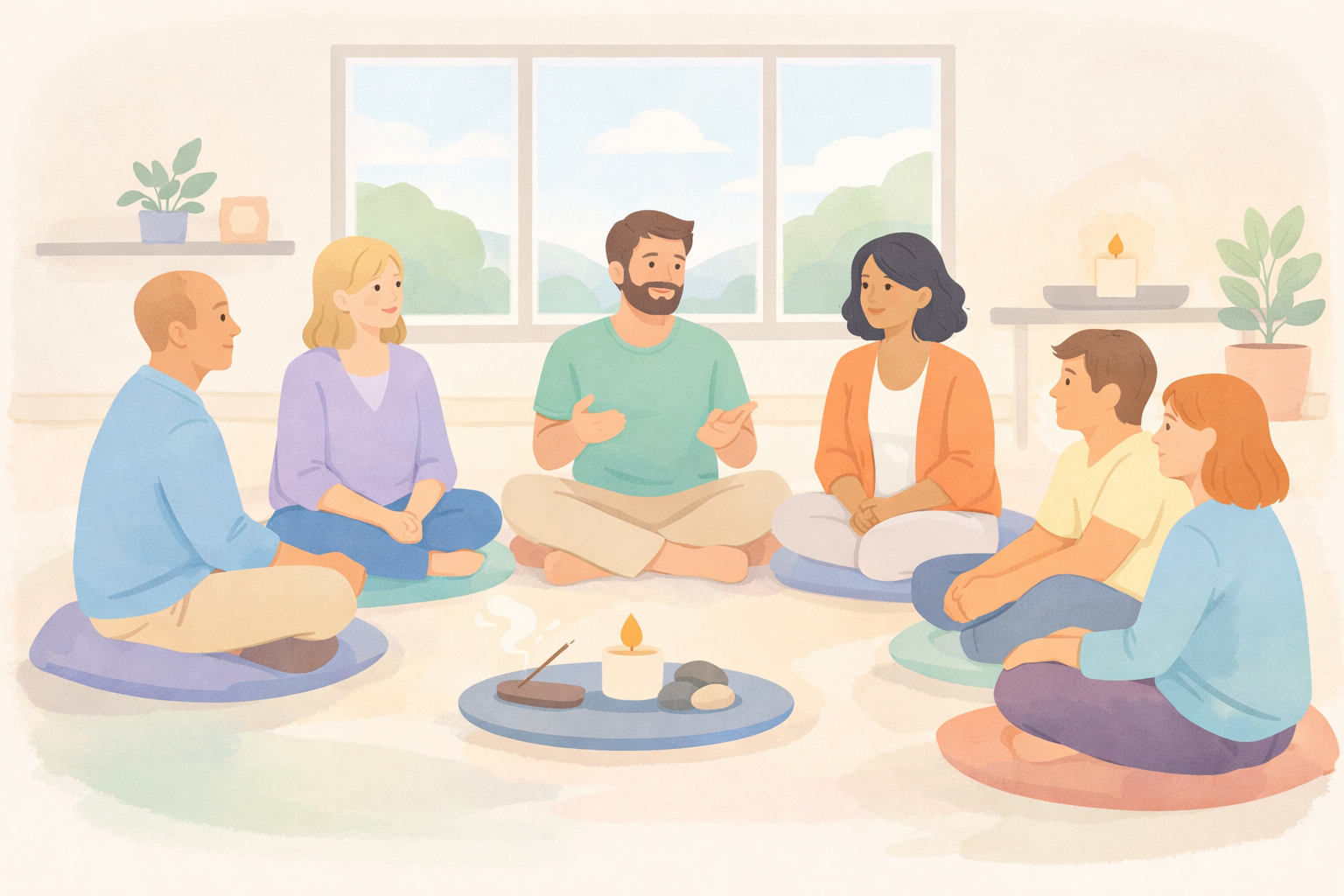
Retreat formats vary, but professional programs share common elements designed to maximize safety and therapeutic benefit. They include:
- Structured multi-day programs: Retreats commonly range from a single-day experience to multi-day or weeklong programs. Many include preparatory sessions before the dosing day, a guided dosing day, and integration sessions afterward.
- Preparation and integration: High-quality retreats emphasize psychological preparation (setting intentions, discussing expectations and risks) and post-experience integration (helping participants process insights and apply them afterwards). Integration can include one-on-one counseling, group sharing, journaling exercises, or follow-up sessions.
- Guided sessions and supportive settings: A dosing day is typically led by trained facilitators or guides who create a safe physical and emotional environment. Think: comfortable rooms, calming music, and minimal external disturbances. Facilitators offer non-directive support rather than psychotherapy unless the operator explicitly provides clinical services.
- Medical and psychological screening: Responsible programs screen participants for contraindications such as personal or family history of psychosis, untreated bipolar disorder, or certain cardiovascular conditions. Screening helps identify individuals for whom psilocybin may present elevated risk.
- Distinction from recreational use: Retreats focus on intention, preparation, and support, which is distinct from casual recreational consumption. The structured environment, trained staff, and integration work are what differentiate therapeutic or retreat-focused experiences from purely recreational use.
Why the Netherlands Has Become a Psilocybin Hub
Legal clarity around truffles has allowed open, regulated sales and the operation of retreat centers without permanent legal gray areas, and this framework builds on a long-standing smart-shop culture that provides an established infrastructure of vendors and reliable information. The Netherlands’ proximity to the rest of Europe makes it especially attractive to visitors from neighboring countries with stricter drug laws, and over time a community of experienced facilitators and retreat operators has developed, drawing an international clientele seeking professional, well-organized psilocybin experiences.
What Travelers Should Know Before Attending
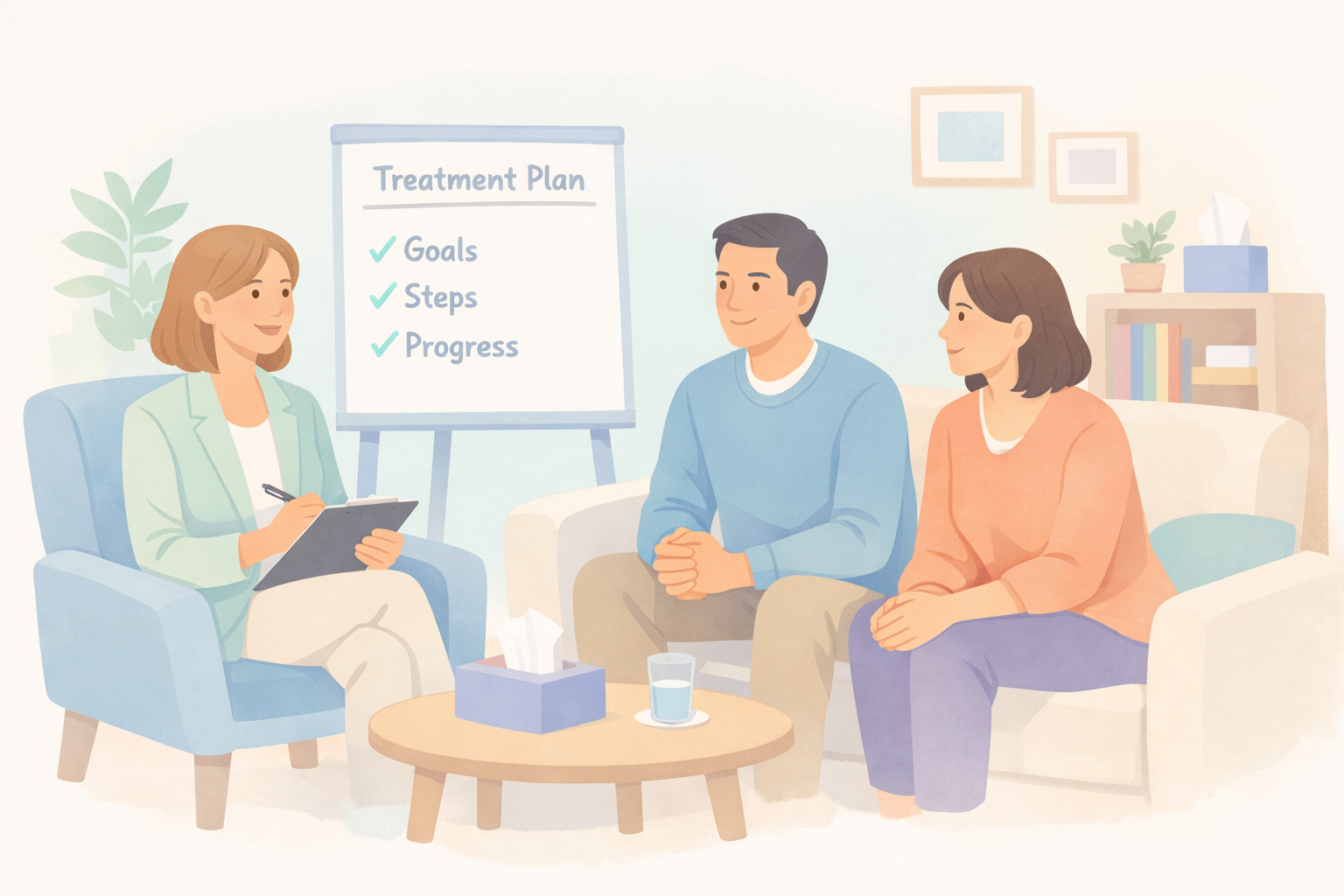
- Travel logistics and timing: Retreats vary in length from a weekend to a week. Factor in travel time, jet lag, and at least a few days after the retreat for rest and integration before resuming work or travel. Do not plan important meetings or activities immediately after your experience—try to wait at least a few days until you start to make such plans.
- Screening and preparation requirements: Expect medical and psychological screening forms, informed consent documents, and pre-retreat guidance. Complete these forms and sessions honestly; concealment of relevant health history increases your risk.
- Dosage and potency: Truffle potency can vary by strain and batch because genetics set the baseline, but growing conditions, harvest timing, moisture (water lowers potency by weight), and storage all change the final psilocybin levels. Reputable retreats will standardize dosing and discuss expected intensity. Never self-medicate or consume additional substances during a retreat unless explicitly guided.
- Legal and border considerations: While truffles are legal in the Netherlands, they remain illegal in many countries. Do not transport truffles across borders and be aware of your home country’s laws if you plan to return with written materials or residue.
- Cultural expectations and etiquette: Retreat culture values respect, privacy, and non-judgmental support. Follow facilitator instructions, respect other participants’ boundaries, and observe quiet time and group agreements.
- Health and safety: Disclose medications (e.g., SSRIs) and health conditions. Some medications can blunt or contraindicate psilocybin effects. If you are pregnant, breastfeeding, or have certain psychiatric histories, psilocybin may not be appropriate.
Choosing a Responsible Retreat
When choosing a responsible retreat, start by applying a risk-conscious checklist. Prioritize facilitator qualifications by looking for training in harm reduction, mental health, counseling, or relevant clinical experience, and weigh years of experience and third-party reviews. Ensure the operator requires comprehensive medical screening and has clear emergency protocols, including local medical contacts and explicit eligibility rules. Insist on transparency and informed consent: you should receive clear information about dosing, potential risks, expected effects, and logistics before booking.
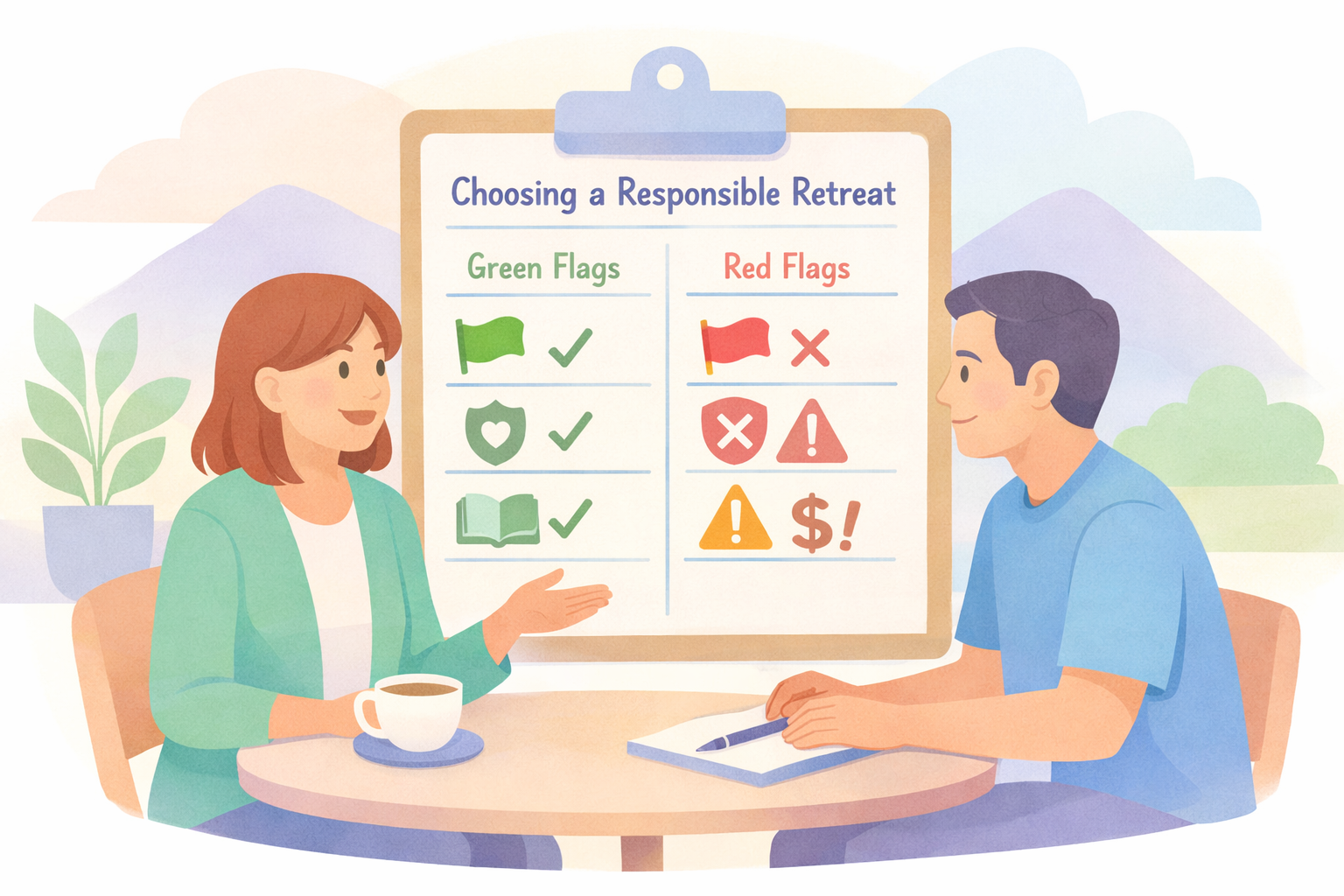
Also confirm the program includes integration support, not just the dosing day, since integration is key to reaping lasting benefit from a psychedelic experience. Watch for red flags such as vague staff credentials, promises of guaranteed “healing,” pressure to recruit others, lack of medical screening, no integration offerings, or poor hygiene and safety standards.
Frequently Asked Questions
Sources
- Johnson, Matthew W., and Roland R. Griffiths. “Potential Therapeutic Effects of Psilocybin.” Neurotherapeutics, vol. 14, no. 3, 5 June 2017, pp. 734–740, www.ncbi.nlm.nih.gov/pmc/articles/PMC5509636/, https://doi.org/10.1007/s13311-017-0542-y.
- Reuters Staff. “Dutch Ban on “Magic” Mushrooms to Take Effect.” Reuters, 28 Nov. 2008, www.reuters.com/article/world/dutch-ban-on-magic-mushrooms-to-take-effect-idUSTRE4AR32R/.