-2-1.png)

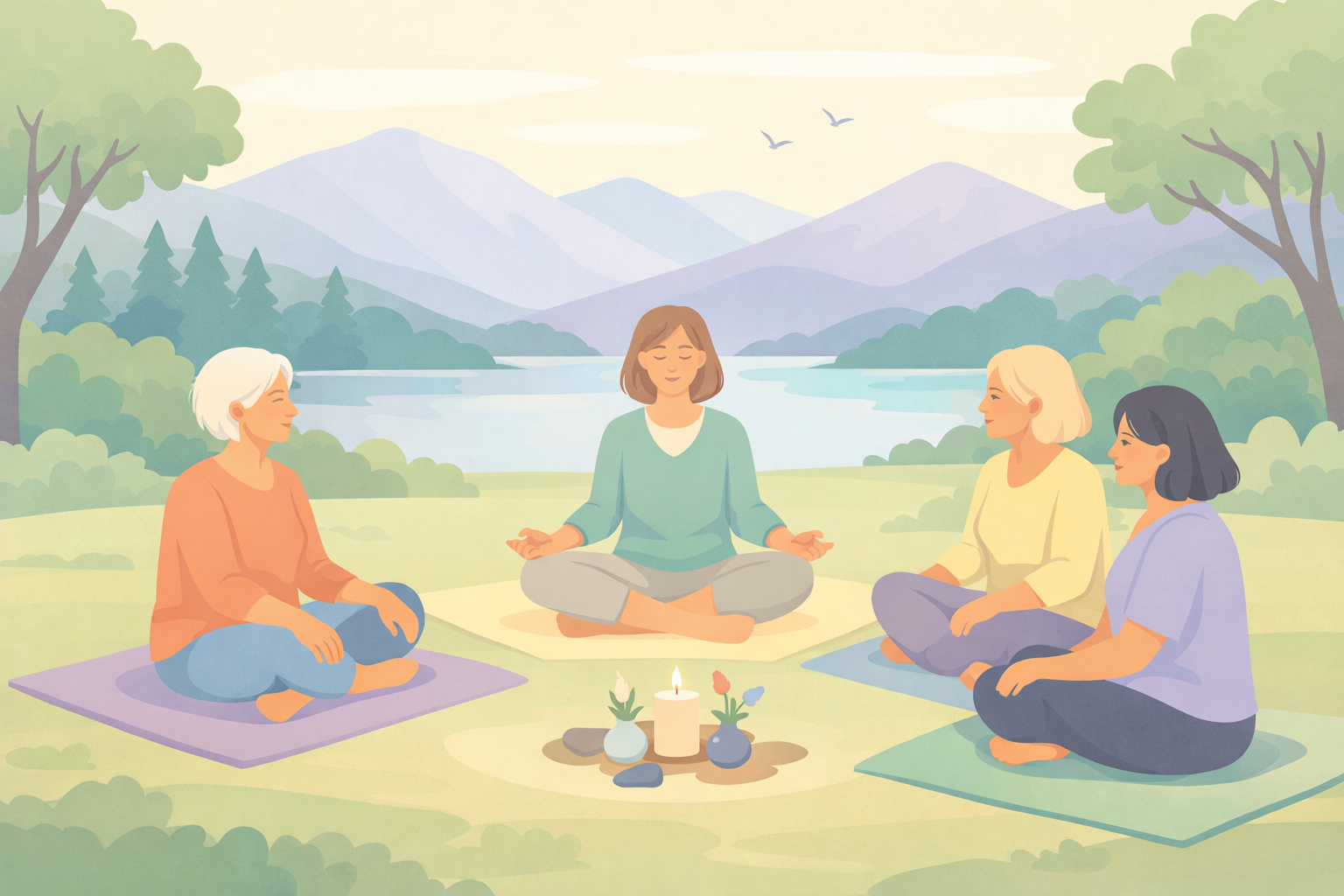
In the past decade, there has been a quiet revolution happening in women’s health. Perhaps you have heard whispers of mothers using magic mushrooms to manage their moods or about psychedelics relieving symptoms of menopause, and wondered, "Could psychedelics help me?"
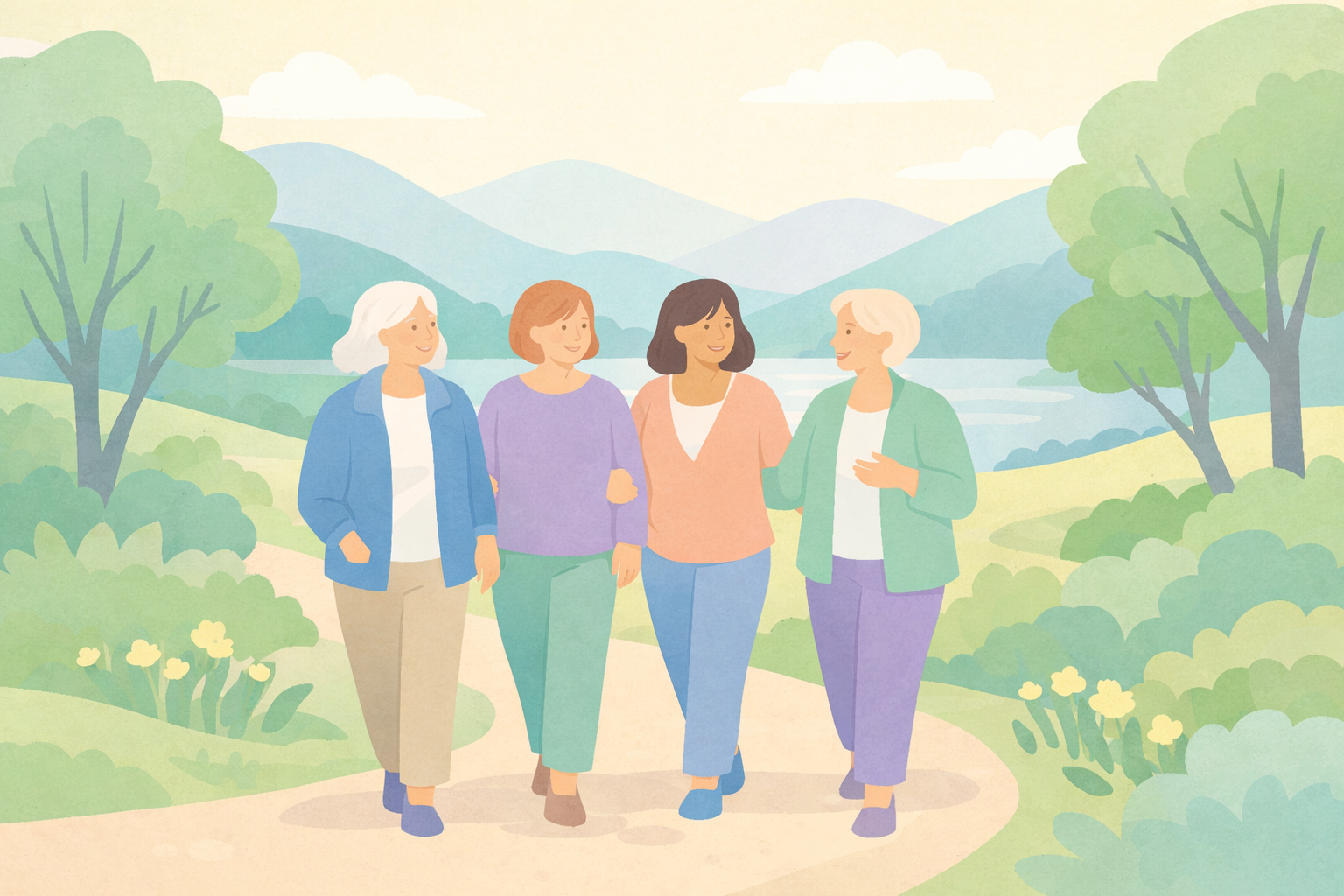
While this may appear to be a new frontier, recent surveys show that psychedelic use has reached historic highs among older adults. Increasingly, women over fifty are seeking retreat experiences as they navigate shifting family roles, retirement, and significant biological transitions. These therapies may not only offer physical support, but help address the big questions that come with this stage of life: What’s next? Who am I now? How do I stay grounded in myself during these midlife transitions?

Psychedelic retreats, when done safely and thoughtfully, offer a structured environment for women in their second act to explore these questions and embrace new perspectives.
The Second Act: Why Women Over 50 Are Choosing Psychedelics
Midlife brings with it a set of major transitions that Western culture rarely prepares women for. Historically, women were largely left out of the research shaping modern medicine, leaving major gaps in our understanding of the hormonal and emotional shifts associated with menopause. These changes have long been treated as taboo, even among women themselves, leaving those going through menopause feeling isolated. But psychedelic therapies are helping women reclaim this stage of life, offering tools for connection, healing, and beyond.
Navigating the Empty Nest and Retirement Identity Shift
As children leave home, careers wind down, relationships change, and external roles that once defined daily life shift. Feelings of relief, grief, disorientation, and possibility can emerge. It can feel like the culmination of what researcher Brene Brown calls the “midlife unraveling,” a reckoning or invitation to examine long-held patterns and who you are at your core.

Psychedelic experiences can offer a way to engage with this unraveling. By facilitating a profound internal connection, these substances can rapidly shift one's outlook and potentially open up new insights that conventional therapy might not reach as quickly.
As one middle-aged woman described it to Women's Health, “I wanted to plug into the wisdom that I felt I was carrying deep within me but wasn’t tapping into for some reason. [Within one psychedelic session] I had a sequence of deep understandings and clarity about things I’d known all along but hadn’t let myself realize.”
The Menopause Connection: Mental Health and Neuroplasticity
When estrogen levels fluctuate, they affect the serotonin system, which plays a central role in mood regulation, sleep, and cognitive clarity. As estrogen declines in perimenopause and beyond, the downstream effects, like hot flashes and mood swings, can be disorienting. Some of the therapies used to address these symptoms can also feel inadequate.
But researchers have begun examining whether psilocybin, which acts on serotonin receptors (particularly the 5-HT2A receptor), may overlap with estrogen-influenced serotonin pathways. While this research is still in early stages, it suggests that psilocybin can ease the hormonal changes that can cause anxiety, inflammation, low mood, and even “brain fog” during menopause.
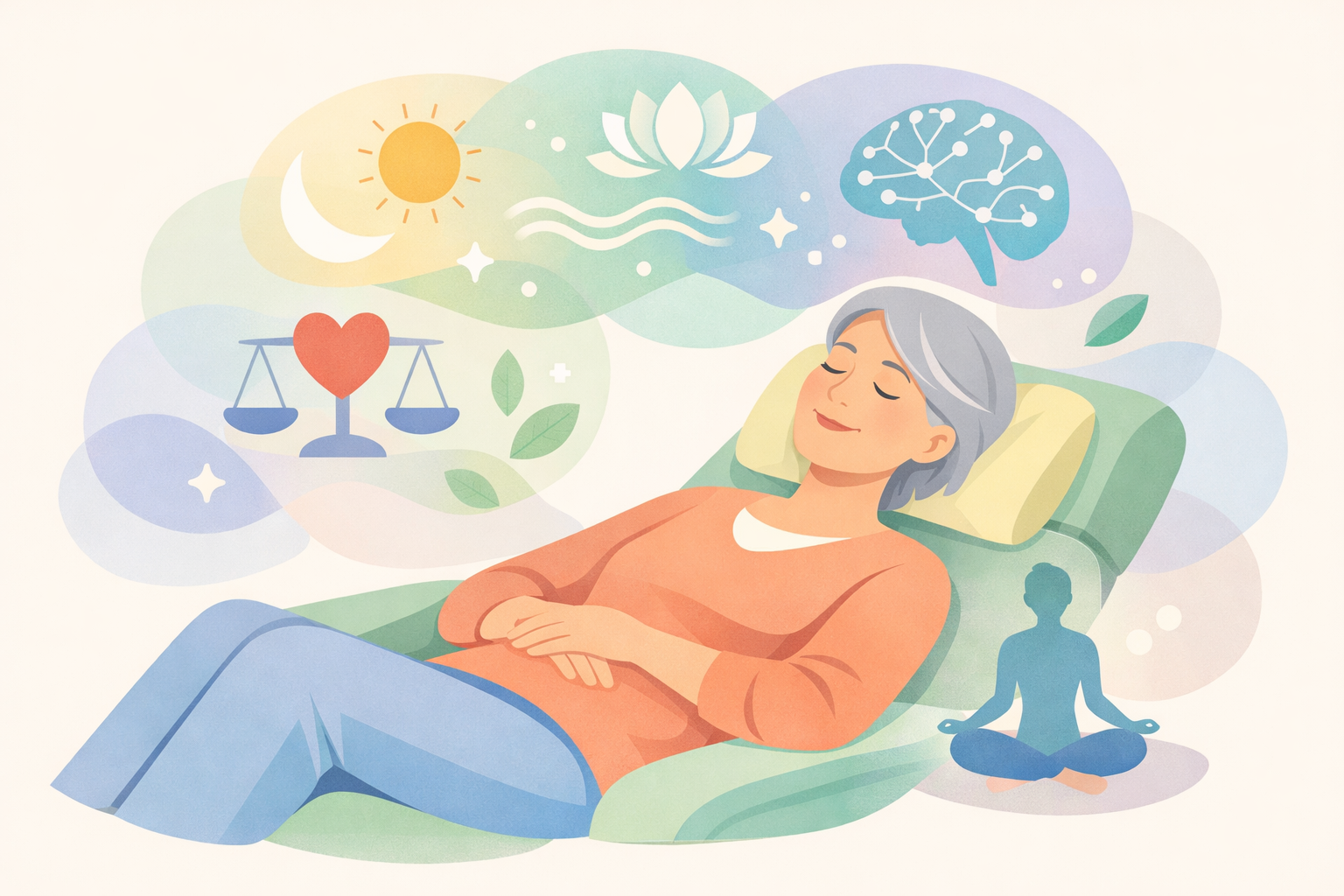
Dr. Grace Blest-Hopley, a leading voice in this area of research, has argued, “Both psychedelic therapy and estrogen have shown neuroprotective effects. Used together, they could offer innovative strategies to preserve brain health and reduce cognitive decline, while also alleviating mood symptoms of menopause.”
Safety First: What to Look for in a Retreat Center
For women over 50 choosing a retreat program, safety protocols are especially important given the unique psychological and biological needs that come with maturity. The screening process, facilitators, setting, and follow-up care of the retreat you choose should all inspire confidence in the experience before you embark.
The Importance of Female Facilitators and Women-Only Spaces
For many women, safety is found in the presence of female facilitators and the privacy of women-only settings. Femme-centered retreats can offer a level of comfort that allows for deeper vulnerability than mixed-gender retreats. This can be especially true for mature women who are often working with gender and age-specific issues, such as:
- Body image, menopause, and aging
- Shifts in marriage, motherhood, or lifelong caregiving roles
- Sexual assault or domestic violence trauma
- Complex grief or suppressed emotions from performing a gender role
Comfort and safety are also essential in the psychedelic state, where psychological defenses dissolve. Experiences that have been carefully managed for years can surface with unexpected intensity. The presence of a skilled, trauma-informed female facilitator who understands this territory can provide a sense of safety that allows women to go places they would not otherwise go.
Female-only retreats can also foster a sense of connection, community, and celebration. Research suggests that for some, the bonding that occurs through the collective retreat journey is as beneficial, if not more so, than the psychedelic experience itself.
These femme-centered spaces may also offer retreats specific to gay, trans, or nonbinary people, women over 50, BIPOC women, or women with specific traumas to enhance safety and connection. Look for a supportive, inclusive program that fits your specific needs and offers you the most transformative experience possible.
Medical Screening Considerations for Older Adults
Any reputable retreat center will conduct thorough medical and psychological screening before accepting a participant. For women over 50, several considerations deserve particular attention:
- Cardiovascular health: Psilocybin can temporarily increase heart rate and blood pressure. Women with significant cardiac conditions should discuss this carefully with both their physician and the retreat medical team.
- Medication interactions: Several common medications require careful review. SSRIs and SNRIs (antidepressants) can blunt the effects of psilocybin significantly; MAOIs (sometimes used for depression or Parkinson's) can produce dangerous interactions with certain plant medicines, particularly ayahuasca. Lithium, commonly prescribed for bipolar disorder, is generally contraindicated with psychedelics. Hormone replacement therapy (HRT) should also be considered in this process.
- Psychiatric history: A history of psychosis, schizophrenia, or severe bipolar disorder in oneself or close family members is typically a contraindication for psychedelic work.
- Trauma history: Should be disclosed to facilitators during screening — not to disqualify, but to ensure the retreat team can provide appropriate, informed support.
Top Psychedelic Retreats for Women
The landscape of psychedelic retreats is rapidly expanding, but quality and integrity vary enormously. The following centers have distinguished themselves through their commitment to safety, female-centered care, and rigorous therapeutic frameworks. All operate in jurisdictions where their practices are legal or specifically permitted.
The Buena Vida: Luxury and Female-Led Healing
The Buena Vida has developed a reputation for combining beautiful accommodations with deeply intentional therapeutic work. The organization was founded by a woman and offers women-only retreat options led by experienced female facilitators. The retreats in Mexico provide a luxury, jungle experience, while the retreats in California take place on an expansive ranch in the desert.
Medicine Woman Retreats & Wellness and Wisdom Journeys: Psychotherapy-Informed Care
Founded and led by Heather A. Lee, a psychotherapist with over 30 years of clinical practice, Medicine Woman Retreats and its sister program Wellness and Wisdom Journeys represent the integration of professional psychotherapeutic training with ceremonial expertise. Some programs focus on microdosing small amounts of psilocybin, while others offer a deeper dive with the mushroom. All retreats are conducted internationally in jurisdictions that permit them.
Odyssey, Beckley Retreats, and Others: Organizations with Women-Only Options
Odyssey and Beckley Retreats also offer women-only options alongside other programming. Oregon-based Odyssey was the first psilocybin retreat center to legally open in the United States, while Beckley Retreats is an established and reputable name in psychedelics. As an extension of the Beckley Foundation, they have been at the forefront of global drug policy reform and scientific research in psychedelics.

Several other programs with women-only options exist and can be found through search tools such as Retreat Guru. If a retreat not listed here calls to you, use the checklist at the bottom of this article to help you assess the program's quality and whether it’s right for you.
Legal Context: Where These Retreats Operate
Legal status is evolving, and it’s important to verify current regulations regarding the substance you will be using before you travel. Most psilocybin retreats operate in these jurisdictions:
- Jamaica: Fully legal and unregulated
- Netherlands: Psilocybin truffles are legal (mushrooms banned)
- Mexico: Permitted in "ceremonial and sacramental" contexts
- Oregon/Colorado: State-regulated access centers with licensed providers
- California: Church sacraments (protected by the Religious Freedom Restoration Act)
What to Expect: From Preparation to Integration
One of the greatest barriers for women considering this work is not knowing what to expect. Programs will vary in the details, but reputable psychedelic retreats typically follow a similar framework: medical screening, preparation, the retreat experience, and integration. These steps are designed to bring you through the entire process with ease.
Preparing the Mind and Body Before You Go
Preparation can begin weeks in advance and often includes one or more pre-retreat calls with a facilitator or therapist, during which you will discuss your intentions, your history, your current medications, and any specific areas of your life you hope the experience will address. This step also helps build rapport with your facilitators so you can more confidently engage with and surrender to the ceremony.

Preparation may also include:
- Reflective practices like journaling and meditation
- Coaching sessions with a facilitator or therapist
- Dietary adjustments (reducing alcohol, processed foods, and stimulants)
- Adjusting certain medications (under medical supervision)
- Group calls with other participants
The purpose is to arrive with a quieter nervous system and a clearer understanding of the process. Research shows this type of enrichment can enhance the depth and quality of the psychedelic experience.
The Ceremony Experience: It’s Not a Party
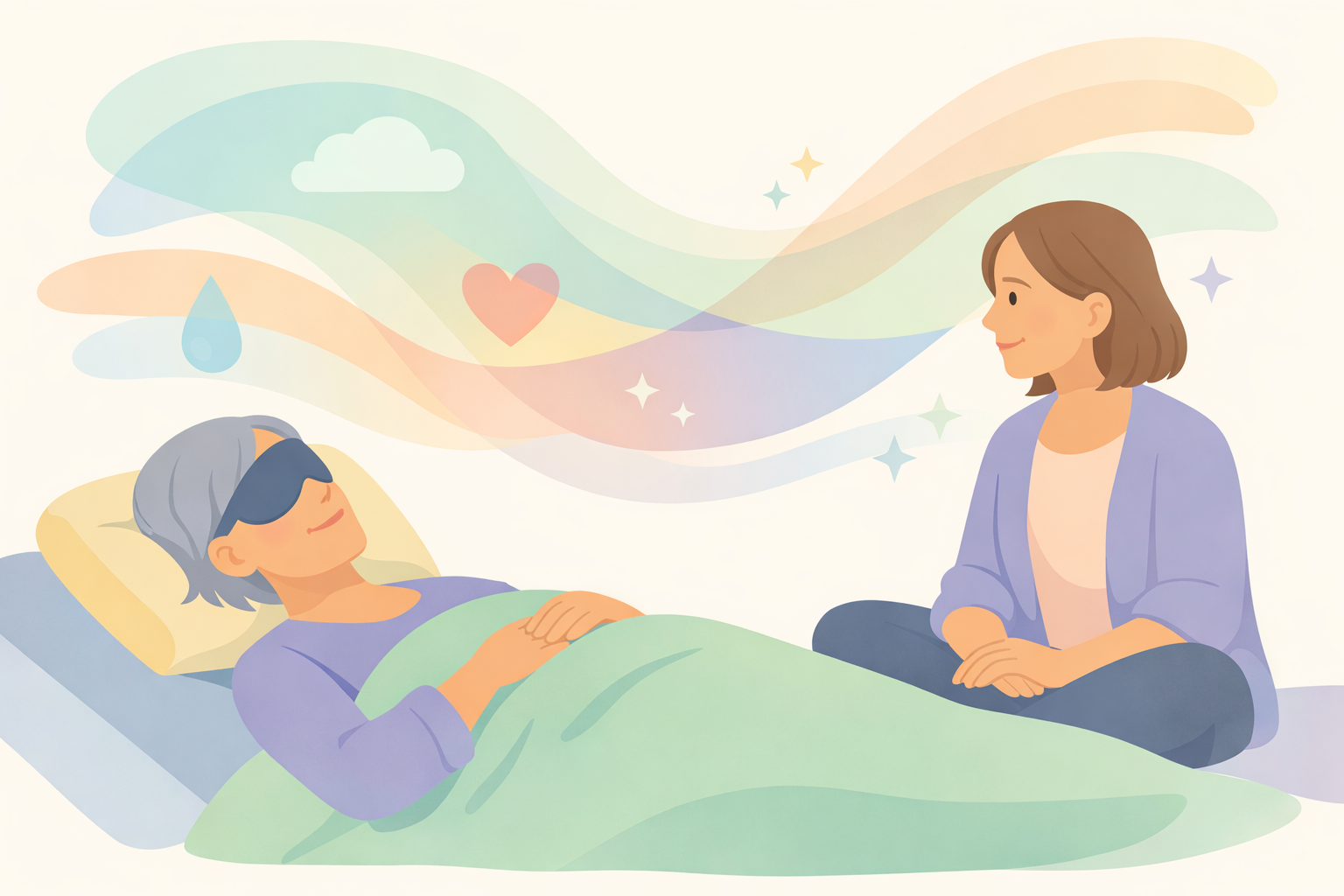
The psychedelic experience itself - sometimes called a ceremony, a journey, or a session - is typically conducted lying down, with an eye mask, music, and other ceremonial elements curated by the facilitators. The physical setting is designed to feel safe, comfortable, and conducive to turning inward. A facilitator is present throughout, available for support but generally allowing the experience to unfold in its own direction.
The retreats listed above typically work with psilocybin (though some programs use other substances). You can expect a psilocybin session to last four to six hours and have three phases: onset, peak, and comedown. There may be beautiful moments of expansion and insight, as well as uncomfortable memories or sensations. The most important thing a woman can bring into the ceremony space is curiosity and openness towards whatever arises.
Integration: Bringing the Lessons Home
In the days and weeks following the experience, studies show that the brain experiences new neuronal growth and becomes more interconnected. Researchers believe this “window of heightened neuroplasticity” makes the brain receptive to new patterns and ways of relating to the self.
Integration is the process of capitalizing on this receptivity by creating a necessary bridge between the retreat experience and lasting, embodied change. Research consistently identifies integration as one of the strongest predictors of long-term positive outcomes. Yet, it is often where many retreat providers fail to give sufficient support. A good retreat provider will offer a combination of:
- One-on-one coaching sessions
- Journal or reflection prompts
- Community support or group check-ins
- Somatic or body-based therapies
Participants should leave their retreat with structured integration tools, access to continued therapeutic support, and/or a connection to a community of women navigating similar journeys.
Vetting a Retreat: Your Checklist
- Medical screening process is thorough and conducted by a qualified professional
- Screening for prescription and hormone replacement therapy (HRT) interactions
- Facilitators are experienced and hold verifiable training credentials in psychedelic facilitation and/or psychotherapy
- Trauma-informed care is part of the facilitation approach
- A clear protocol exists for managing psychological distress during a session
- Women-only or female-led options are available, if that’s what you are looking for
- Pre-retreat preparation sessions are included, not optional add-ons
- Integration support extends beyond the retreat itself (minimum 2-4 weeks)
- The retreat operates in a jurisdiction where the substances used are legal or explicitly permitted
- The center can clearly explain the legal framework under which they operate
- Testimonials from women in a similar demographic (50+) are available
Frequently Asked Questions
SOURCES
- Davis AK, Barrett FS, May DG, et al. Effects of Psilocybin-Assisted Therapy on Major Depressive Disorder: A Randomized Clinical Trial. JAMA Psychiatry. 2021;78(5):481–489. doi:10.1001/jamapsychiatry.2020.3285
- Carhart-Harris, Robin, et al. "Trial of psilocybin versus escitalopram for depression." New England Journal of Medicine 384.15 (2021): 1402-1411.
- Santoro, Nanette et al. “Menopausal Symptoms and Their Management.” Endocrinology and metabolism clinics of North America vol. 44,3 (2015): 497-515. doi:10.1016/j.ecl.2015.05.001
- Ekoh, F., Rerrie, S., Angud, J., & Mirabelli, E. (2025). Hormonal Influences on Psilocybin Responsivity Across the Female Lifespan: Toward Personalized Psychedelic-Assisted Therapy. Psychoactives, 4(4), 39. https://doi.org/10.3390/psychoactives4040039
- Cohen, Zahira Ziva, and Grace Blest-Hopley. “Females in Psychedelic Research: A Perspective for Advancing Research and Practice.” ACS pharmacology & translational science vol. 8,7 1837-1846. 5 Jun. 2025, doi:10.1021/acsptsci.5c00255
- Murphy R, Kettner H, Zeifman R, Giribaldi B, Kartner L, Martell J, Read T, Murphy-Beiner A, Baker-Jones M, Nutt D, Erritzoe D, Watts R and Carhart-Harris R (2022) Therapeutic Alliance and Rapport Modulate Responses to Psilocybin Assisted Therapy for Depression. Front. Pharmacol. 12:788155. doi: 10.3389/fphar.2021.788155
- Kettner, Hannes et al. “Effects of Psychedelics in Older Adults: A Prospective Cohort Study.” The American journal of geriatric psychiatry : official journal of the American Association for Geriatric Psychiatry vol. 32,9 (2024): 1047-1059. doi:10.1016/j.jagp.2024.05.007
- Johnson, Mw et al. “Human hallucinogen research: guidelines for safety.” Journal of psychopharmacology (Oxford, England) vol. 22,6 (2008): 603-20. doi:10.1177/0269881108093587
- Watts, R., & Luoma, J. B. (2020). The use of the psychological flexibility model to support psychedelic assisted therapy. Journal of Contextual Behavioral Science, 15, 92–102. https://doi.org/10.1016/j.jcbs.2019.12.004
- Calder, A.E., Hasler, G. Towards an understanding of psychedelic-induced neuroplasticity. Neuropsychopharmacol. 48, 104–112 (2023). https://doi.org/10.1038/s41386-022-01389-z
- Soylemez, Kerem Kemal et al. “The Role of Psychedelics in Contemporary Psychological and Interdisciplinary Inquiry.” Journal of personalized medicine vol. 15,10 450. 28 Sep. 2025, doi:10.3390/jpm15100450
Before you apply
Beckley runs legal, guided psilocybin retreats in Jamaica and psilocybin retreats in the Netherlands: four weeks of preparation, two guided sessions on retreat, six weeks of integration, online and at your own pace, one to two hours a week. Plain answers to the questions people ask first:
What a psilocybin retreat costs · What happens, day by day · Jamaica or the Netherlands · Who should not attend · Apply