
-2-1.png)


Treatment-resistant depression is a type of major depressive disorder. Like depression, TRD causes symptoms such as sleep disturbances, anxiety, changes in appetite and mood, and loss of enjoyment. However, the symptoms can sometimes be more severe, and depressive episodes may last longer.
While some medical treatments may not work for TRD, alternative medications - like psychedelics - and therapies can help to manage symptoms and improve well-being.
What Is Treatment-Resistant Depression?
While treatment-resistant depression (TRD) is typically defined as depression that does not respond to at least two different antidepressant medications at adequate doses and durations, researchers have highlighted that a general consensus of the condition does not exist.
The authors write: "A consensus definition of TRD with demonstrated predictive utility in terms of clinical decision‐making and health outcomes does not currently exist.
“Instead, a plethora of definitions have been proposed, which vary significantly in their conceptual framework. The absence of a consensus definition hampers precise estimates of the prevalence of TRD, and also belies efforts to identify risk factors, prevention opportunities, and effective interventions.
“In addition, it results in heterogeneity in clinical practice decision‐making, adversely affecting quality of care."
Due to this absence of a common definition of TRD, the condition is sometimes referred to as Difficult to Treat Depression, Drug Resistant Depression and Multiple Therapy Resistant MDD, for example.
While some estimates suggest that the condition affects up to 30% of people with depression, researchers highlight that this lack of definition also hampers precise estimates of the prevalence of the condition, as well as hampers “efforts to identify risk factors, prevention opportunities, and effective interventions”.
It is a common misconception that TRD is always a more severe form of depression, as it may still be diagnosed in patients with mild symptoms. It’s also a myth that the condition is completely untreatable. This belief can lead to delayed treatment and, therefore, worse mental health outcomes.
Why Some Treatments Don’t Work
Depression is not caused by a single problem, but by many contributing factors such as brain chemistry, inflammation, stressful life events, trauma, and genetics.
Traditional antidepressants typically address neurotransmitters in the brain. For example, serotonin reuptake inhibitors (SSRIs) target serotonin signaling, as serotonin is crucial for regulating mood.
As each individual is unique, and depression is influenced by a variety of these contributing factors, traditional options may not effectively address symptoms for everyone.
Biological and Neurological Factors
Research shows that chemical dysregulation in the brain, such as serotonergic dysregulation, is linked to people’s inability to experience pleasure, which is a defining characteristic of depression.
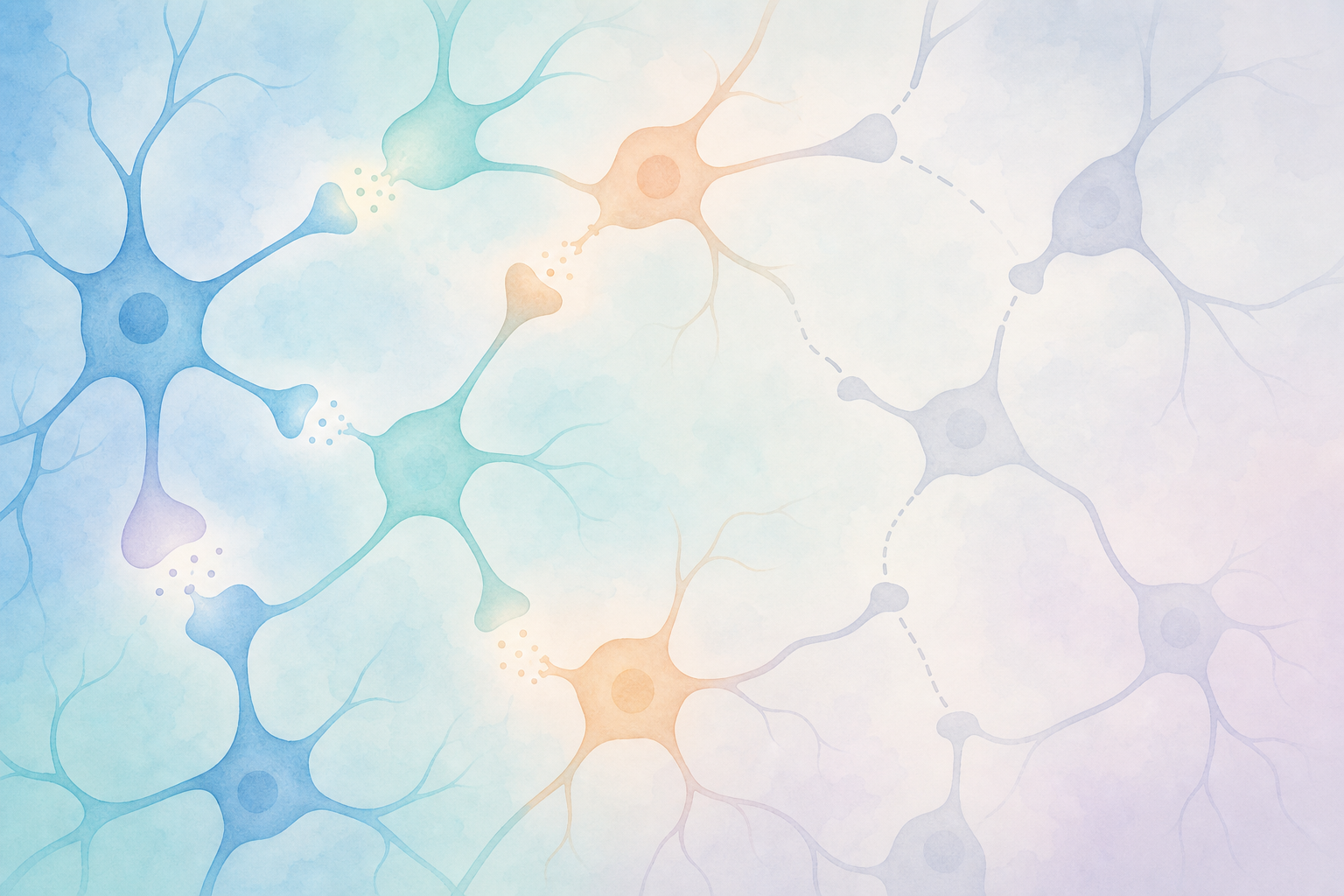
Further imbalances between neurotransmitters in individuals with TRD have also been found to impair synaptic plasticity, which isthe brain’s ability to strengthen or weaken synaptic connections. Its impairment can affect mood regulation and cognitive function, and has been strongly associated with the development of depression.
Research has found that changes in biological processes - such as brain-derived neurotrophic factor (BDNF), which contributes to the growth and survival of neurons and the modulation of neurotransmitters - also contribute to treatment difficulties.
Equally, brain dysfunction, such as hyperconnectivity between the brain's default mode network (DMN) - a brain network that is responsible for introspection, remembering, and daydreaming - has been associated with poor treatment responses.
Incorrect Diagnosis or Co-occurring Conditions
Alongside these neuro and biological processes, elements such as neuroinflammation, obesity and gut microbiota imbalances, have been suggested to contribute to the development of TRD.
Incorrect diagnosis of TRD, as well as co-occurring conditions such as anxiety and personality disorders, can also contribute to difficulty with managing symptoms.
Medication Adherence and Lifestyle Factors
Major Depressive Disorder (MDD) is one of a number of conditions that cause symptoms of depression, including low mood, feelings of worthlessness, low energy, poor concentration, appetite, and sleep changes, for example.
These MDD symptoms can contribute to unsuccessful treatment of the condition, which is then defined as TRD.
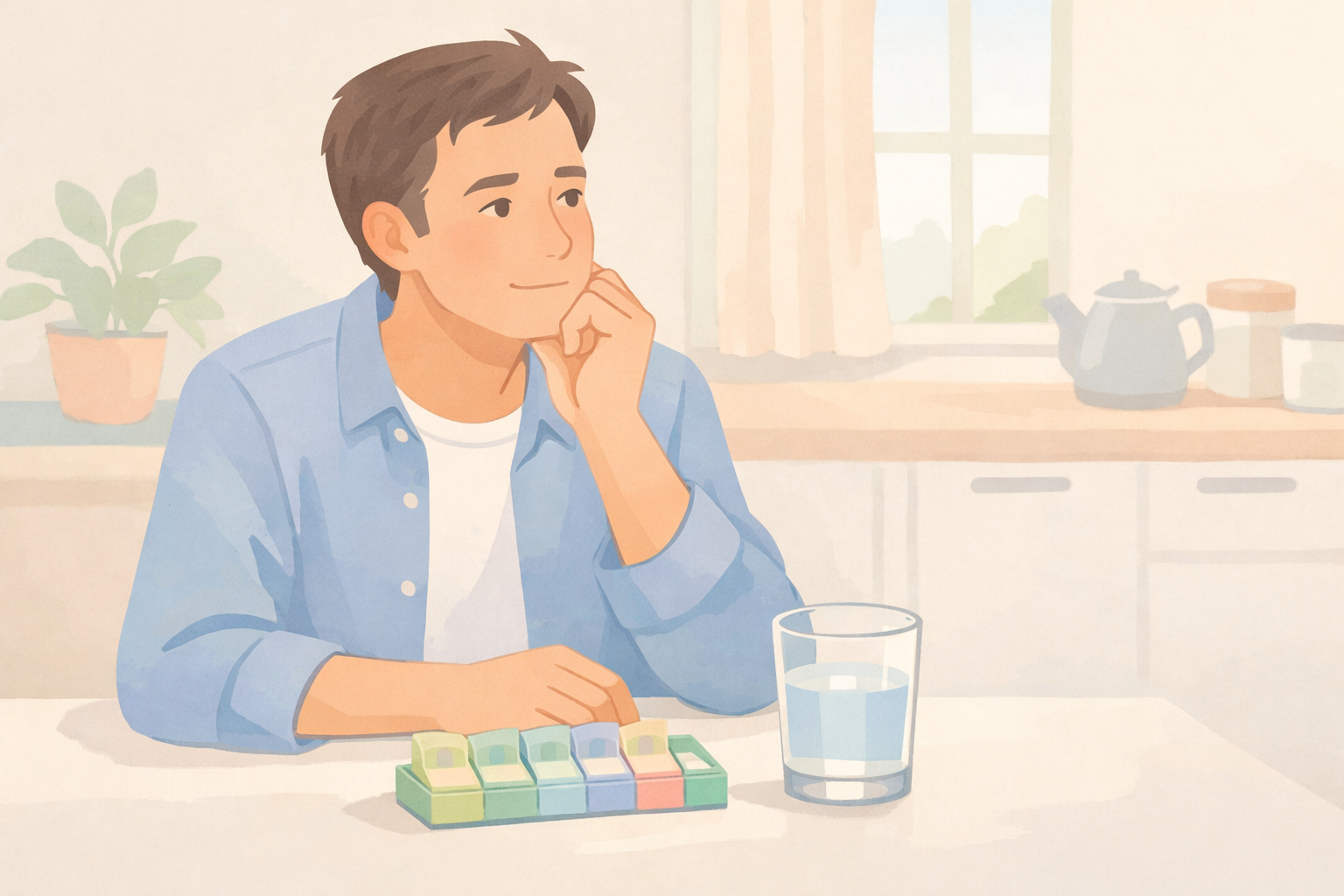
Research shows that a high number of individuals with major depressive disorder do not adequately take their medication as prescribed, and healthcare professionals have been urged to address medication adherence in order to achieve better treatment outcomes.
Research also shows that patients might be diagnosed with TRD after failing to respond to pharmacological treatments without having tried non-pharmacological interventions.
For example, psychotherapy or improving lifestyle factors such as sleep, nutrition, and exercise.
Medication Strategies Beyond First-Line Treatment
For TRD, there are treatment options available beyond first-line antidepressants.
If an individual is not responding to SSRIs, switching treatment options to alternatives with a different mechanism of action, such as Serotonin-Norepinephrine Reuptake Inhibitors (SNRIs) can help to address difficult-to-manage symptoms.
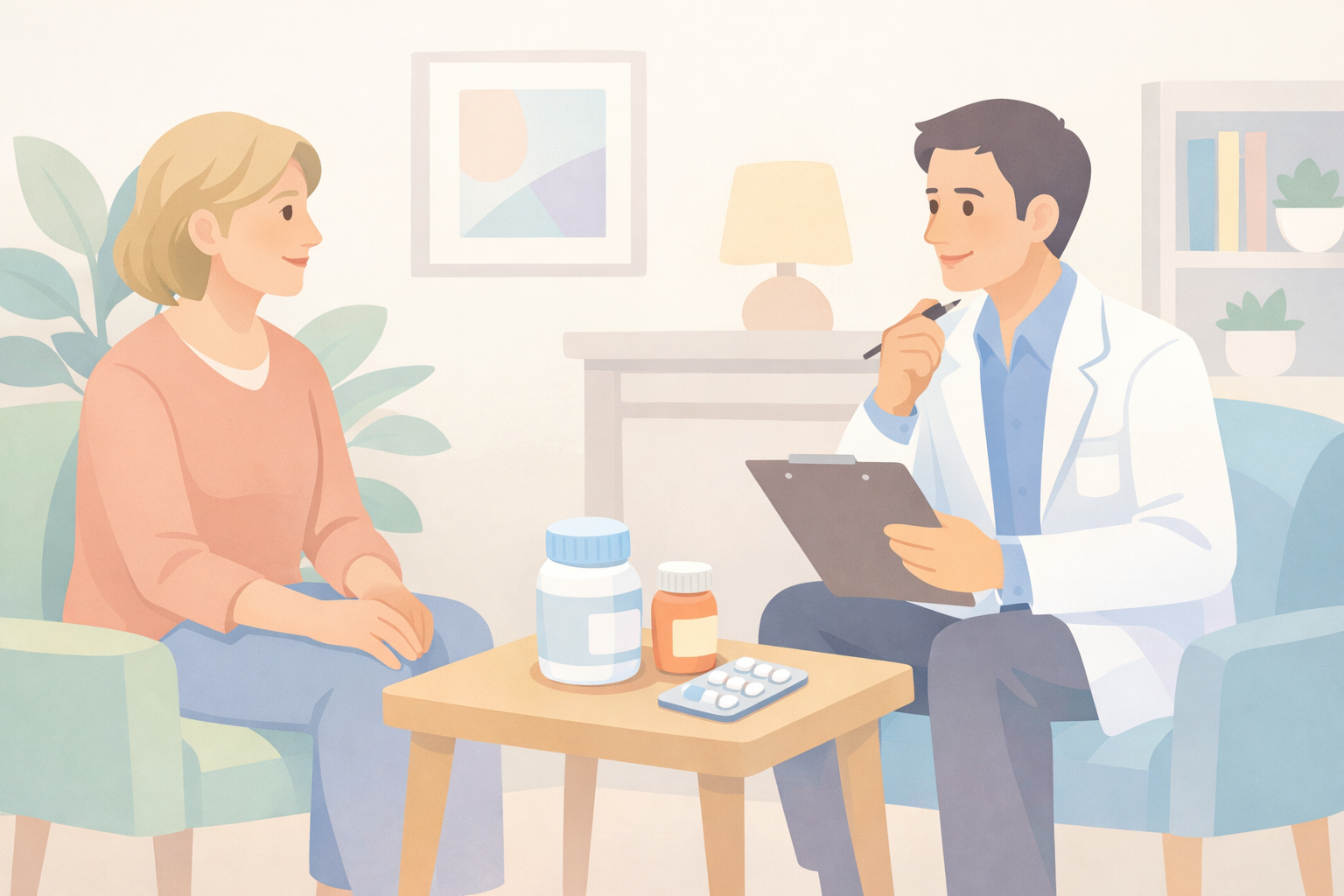
Additional treatment options such as lithium, triiodothyronine (T3), and second-generation antipsychotics can also be used in combination with certain antidepressants if an individual is not responding to these treatments alone.
With the guidance of a healthcare professional, individuals with TRD can develop personalized approaches to managing resistant depression symptoms.
Non-Medication Treatments
TRD is typically defined by a lack of response to pharmacological-based treatments, and non-medication options are available.
Psychotherapies
Psychotherapy is a non-medication treatment option for TRD that can be used alone or alongside medications to help support the management of symptoms.
For example, cognitive behavioral therapy (CBT) focuses on identifying and adapting unhelpful thinking patterns and behaviors, while somatic therapy focuses on connecting with the body to feel and process emotions.
ECT, TRD & Neuromodulation Therapy
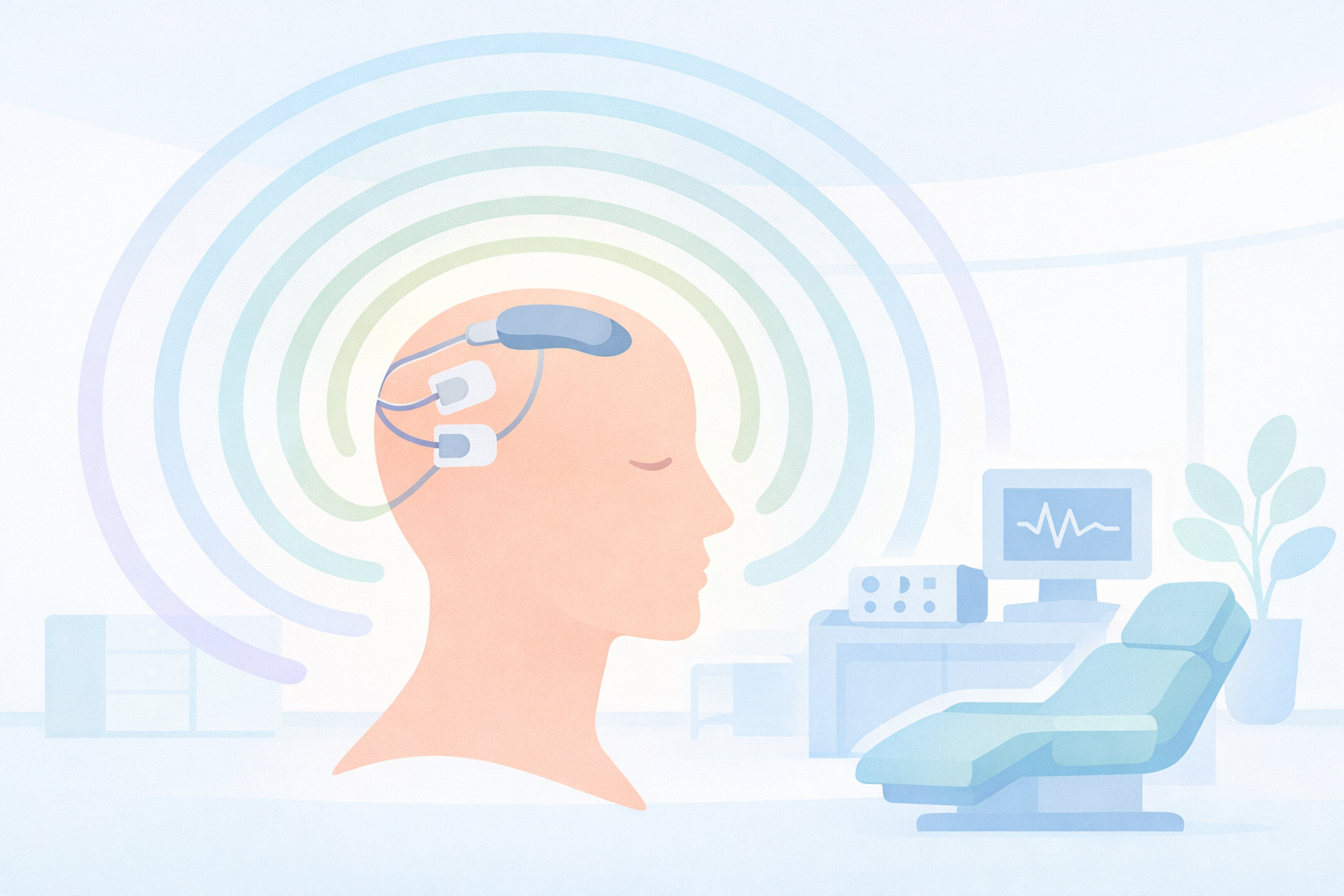
Therapies such as electroconvulsive therapy (ECT), transcranial magnetic stimulation (TMS), and Stanford Neuromodulation Therapy (SNT) can help address resistant depression symptoms.
An animal study from Johns Hopkins University found that ECT can provide rapid relief for TRD, causing increased communication between neurons and new brain cells to develop in the hippocampus. Equally, TMS has also been found to induce neurogenesis, a process by which new neurons are developed in the central nervous system.
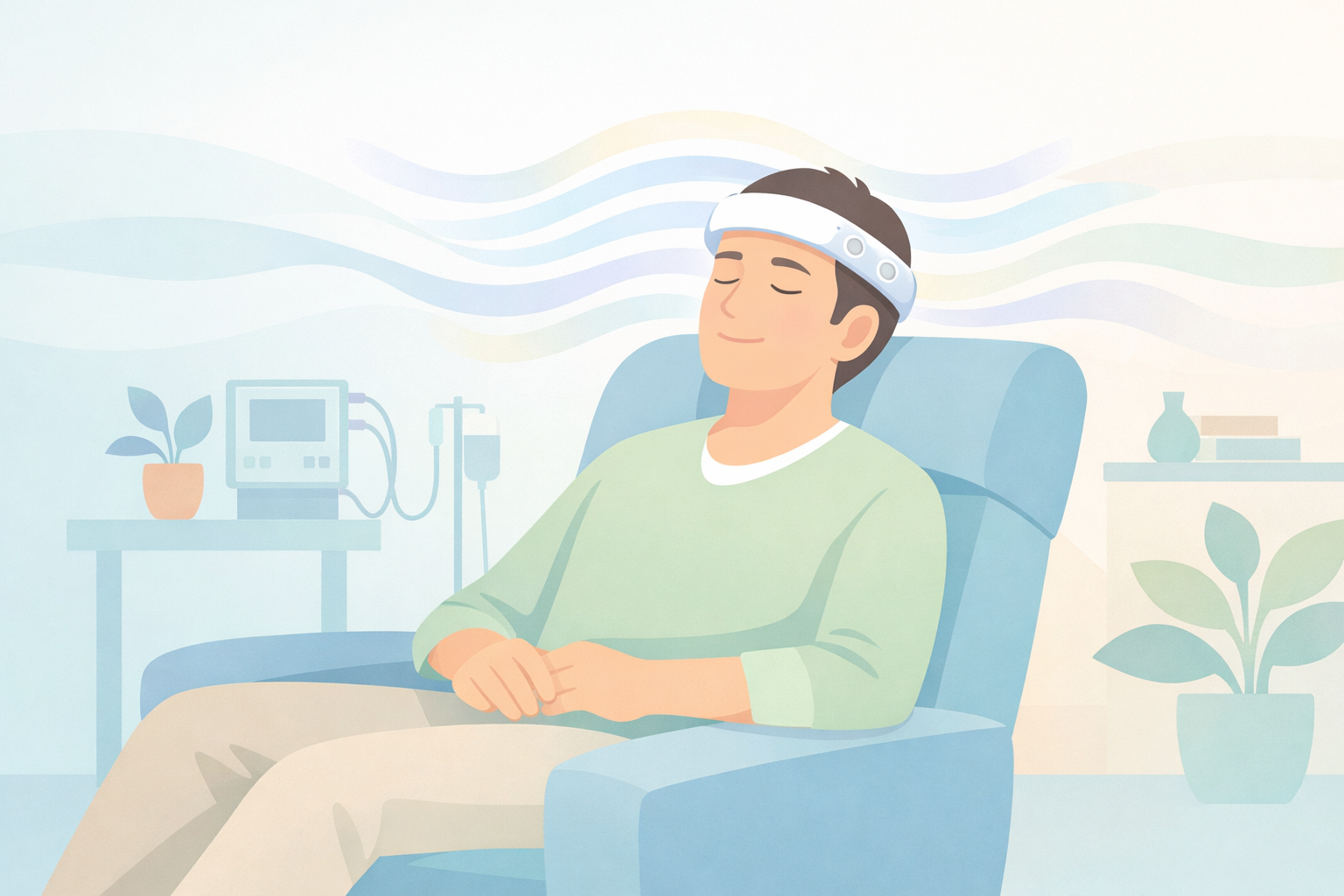
Researchers highlight that neurogenesis is thought to be involved in memory formation, cognition, and an individual's ability to cope with stressors. Chronic stress has been linked to the negative regulation of neurogenesis, which is thought to contribute to the development of depression.
SNT has been found to help remission of depression symptoms. The treatment is a non-invasive brain stimulation procedure that delivers magnetic pulses to areas of the brain associated with depression.
In a study of patients with TRD who were treated with SNT, up to 70% entered remission the week following treatment, with up to 47% of those patients remaining in remission.
Emerging and Alternative Treatments
In recent years, emerging and alternative treatments such as ketamine and psychedelic-assisted therapy have produced promising evidence for the treatment of depression and related conditions such as anxiety and PTSD.
Ketamine and esketamine therapy
Ketamine is approved for use as an anesthetic but increasing scientific evidence shows that it can cause rapid reductions in symptoms of depression.
The medicine is now prescribed off-label in ketamine-assisted therapy and esketamine therapy has been approved for use in depression for patients who have failed to respond to other medications.
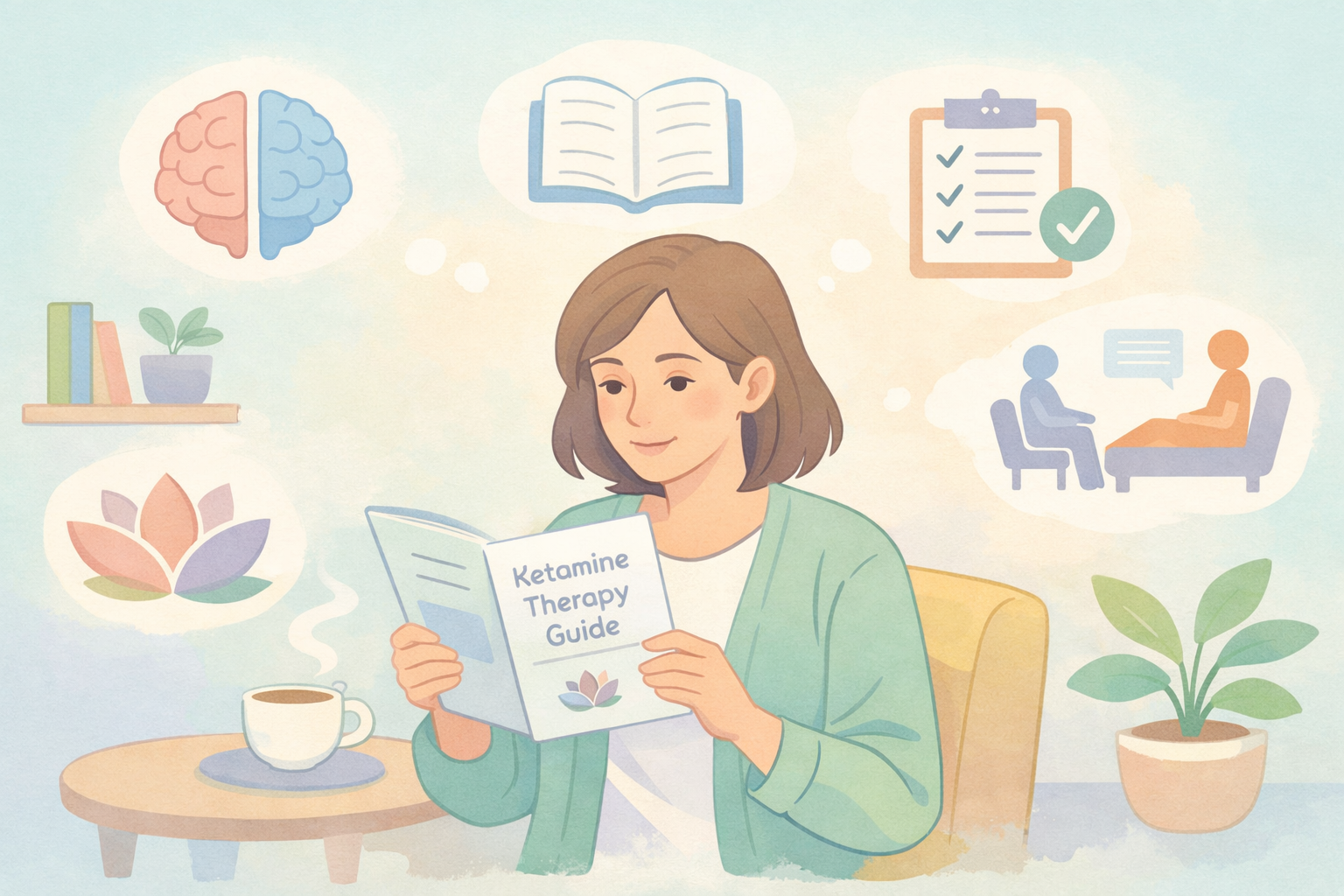
It is thought that ketamine works to reduce symptoms of depression by increasing the production of dendritic spines - which are crucial for brain plasticity - enhancing levels of BDNF, and restoring the activity of neural circuits in the prefrontal cortex of the brain that have been disrupted by stress.
Psilocybin-Assisted Therapy
Psilocybin-assisted therapy has also produced promising evidence for the treatment of mental health conditions such as depression, anxiety, and PTSD.
Research shows that psilocybin-assisted therapy can facilitate lasting changes in self-perception, emotion regulation, and interpersonal connectedness
The treatment has been found to change anatomical and functional circuits in the brain after just one use, and can produce a rapid and sustained reduction in symptoms of depression for up to six months after one treatment.
Mystical insights produced during the psychedelic experience have also been linked to longer-term mental health outcomes.
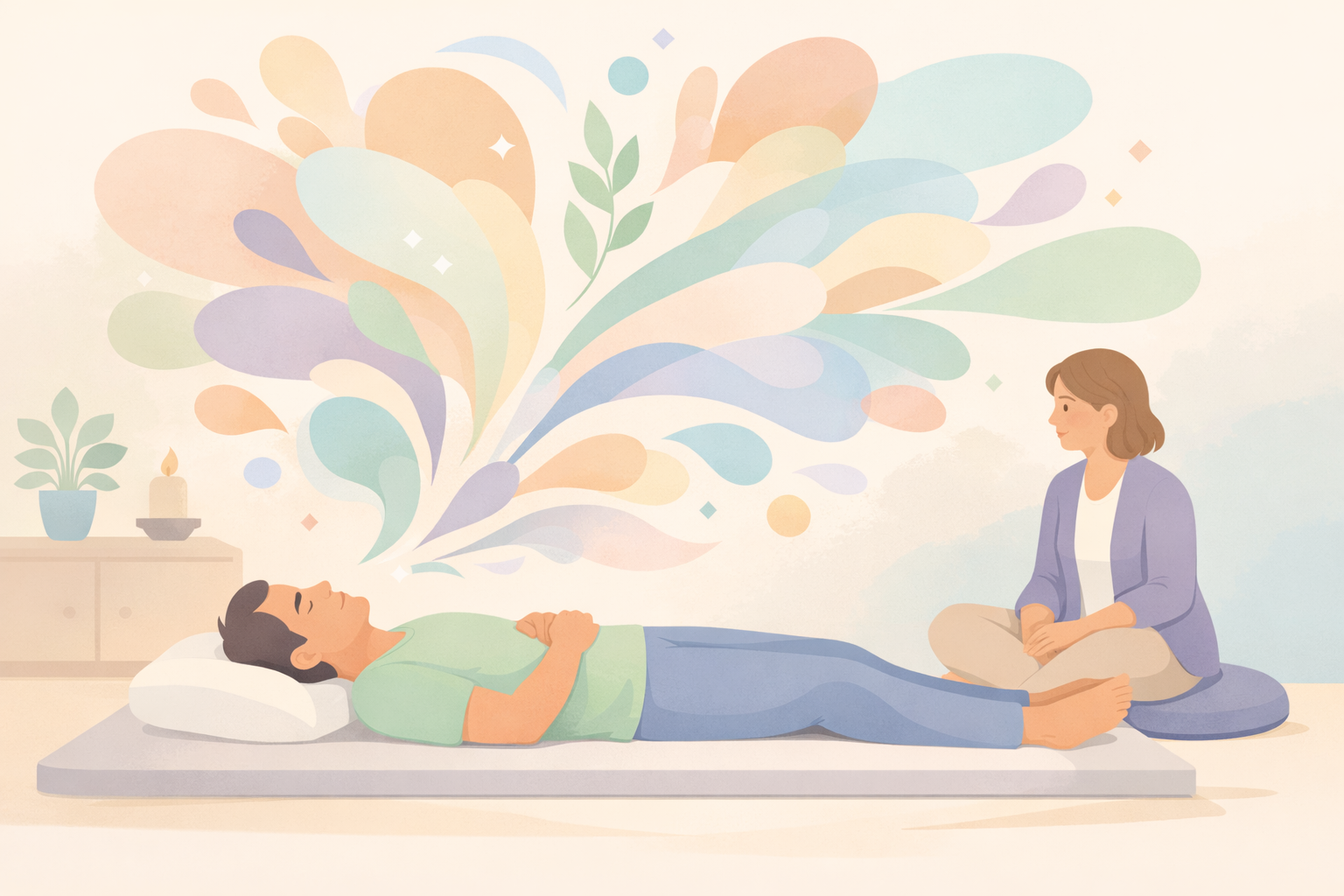
Research has also shown that psilocybin can facilitate emotional and psychological insights and emotional processing and breakthroughs, as well as create a window of time where brain plasticity is increased.
Psychotherapy can be utilized during this time as part of psychedelic treatment to integrate the psychedelic experience in order to create meaningful, lasting change to unhelpful thinking patterns and behaviors.
Access, Legal Status, and Current Limitations
Access to psychedelic-assisted therapies such as ketamine and psilocybin therapy varies depending on the country and legal status.
Ketamine therapy can be prescribed in places such as the US, UK, and Europe through referrals by a registered healthcare professional, though specific rules and regulations will be individual to each country.
Esketamine, a derivative of ketamine, has been approved for use in the US, Australia, and UK as an antidepressant in the form of a nasal spray; however, ketamine has not been approved for use in depression and remains an off-label treatment.

Psilocybin therapy is accessible in Australia, Canada, the US, and Europe through authorized access schemes and medical pathways.
While these specialized routes enable select, approved patients to access psychedelic therapies, psilocybin remains a Schedule 1 drug under the Misuse of Drugs Act 1971.
Research has so far produced promising evidence for psychedelics in the treatment of mental health conditions; however, more robust human trials and Phase 3 data is needed before compounds such as psilocybin are fully approved for medical use.
When considering next steps for treatment-resistant depression following the failure of first-line treatments, it is vital to consult with a qualified healthcare professional.
Frequently Asked Questions
Sources
- Johns Hopkins Medicine. “Major Depression.” Www.hopkinsmedicine.org, Johns Hopkins Medicine, 2023, www.hopkinsmedicine.org/health/conditions-and-diseases/major-depression.
- Mayo Clinic. “Treatment-Resistant Depression.” Mayo Clinic, 10 Apr. 2021, www.mayoclinic.org/diseases-conditions/depression/in-depth/treatment-resistant-depression/art-20044324.
- McIntyre, Roger S, et al. “Treatment‐Resistant Depression: Definition, Prevalence, Detection, Management, and Investigational Interventions.” World Psychiatry, vol. 22, no. 3, 15 Sept. 2023, pp. 394–412, pmc.ncbi.nlm.nih.gov/articles/PMC10503923/, https://doi.org/10.1002/wps.21120.
- Kajumba, Mayanja M, et al. “Treatment-Resistant Depression: Molecular Mechanisms and Management.” Molecular Biomedicine, vol. 5, no. 1, 17 Oct. 2024, https://doi.org/10.1186/s43556-024-00205-y.
- Lievanos-Ruiz, Francisco Javier, and Bertha Fenton-Navarro. “Exploring Biological Risk Factors in Treatment-Resistant Depression.” Psychiatry International, vol. 6, no. 4, 3 Nov. 2025, pp. 134–134, https://doi.org/10.3390/psychiatryint6040134.
- Barreiros, Ana Rita, et al. “Intra- and Inter-Network Connectivity of the Default Mode Network Differentiates Treatment-Resistant Depression from Treatment-Sensitive Depression.” NeuroImage: Clinical, vol. 43, 14 Aug. 2024, p. 103656, www.sciencedirect.com/science/article/pii/S2213158224000950, https://doi.org/10.1016/j.nicl.2024.103656.
- Holmes, Sophie E., et al. “Lower Synaptic Density Is Associated with Depression Severity and Network Alterations.” Nature Communications, vol. 10, no. 1, 4 Apr. 2019, https://doi.org/10.1038/s41467-019-09562-7.
- Wang, Wenjing, et al. “FBXL20 Promotes Synaptic Impairment in Depression Disorder via Degrading Vesicle-Associated Proteins.” Journal of Affective Disorders, vol. 349, 9 Jan. 2024, pp. 132–144, www.sciencedirect.com/science/article/pii/S016503272400065X?via%3Dihub, https://doi.org/10.1016/j.jad.2024.01.055.
- Lievanos-Ruiz, Francisco Javier, and Bertha Fenton-Navarro. “Exploring Biological Risk Factors in Treatment-Resistant Depression.” Psychiatry International, vol. 6, no. 4, 3 Nov. 2025, pp. 134–134, https://doi.org/10.3390/psychiatryint6040134.
- Lassen, Roseane Halkjaer, et al. “Medication Non-Adherence in Depression: A Systematic Review and Metanalysis.” Trends in Psychiatry and Psychotherapy, 9 Jan. 2024, pp. 1–29, pubmed.ncbi.nlm.nih.gov/38194498/, https://doi.org/10.47626/2237-6089-2023-0680.
- Schroder, Hans S., et al. “Treatment-Resistant Depression Reconsidered.” SSM - Mental Health, vol. 2, Dec. 2022, p. 100081, https://doi.org/10.1016/j.ssmmh.2022.100081.
- Voineskos, Daphne, et al. “Management of Treatment-Resistant Depression: Challenges and Strategies.” Neuropsychiatric Disease and Treatment, vol. Volume 16, no. 16, 21 Jan. 2020, pp. 221–234, pmc.ncbi.nlm.nih.gov/articles/PMC6982454/.
- Li, Jia-Mei, et al. “Cognitive Behavioral Therapy for Treatment-Resistant Depression: A Systematic Review and Meta-Analysis.” Psychiatry Research, vol. 268, no. 268, Oct. 2018, pp. 243–250, www.sciencedirect.com/science/article/pii/S0165178118305791, https://doi.org/10.1016/j.psychres.2018.07.020.
- Salamon, Maureen. “What Is Somatic Therapy?” Harvard Health, 7 July 2023, www.health.harvard.edu/blog/what-is-somatic-therapy-202307072951.
- McClurg, Lesley. “An Experimental Depression Treatment Uses Electric Currents to Bring Relief.” NPR, 6 Feb. 2022, www.npr.org/sections/health-shots/2022/02/06/1074719132/an-experimental-depression-treatment-uses-electric-currents-to-bring-relief.
- “Brain Wise - Brain Wise Spring 2018.” Hopkinsmedicine.org, 2018, www.hopkinsmedicine.org/news/publications/brain-wise/brainwise-spring-2018.
- “Neurogenesis - an Overview | ScienceDirect Topics.” Www.sciencedirect.com, www.sciencedirect.com/topics/medicine-and-dentistry/neurogenesis.
- Yavi, Mani, et al. “Ketamine Treatment for Depression: A Review.” Discover Mental Health, vol. 2, no. 1, 15 Apr. 2022, www.ncbi.nlm.nih.gov/pmc/articles/PMC9010394/, https://doi.org/10.1007/s44192-022-00012-3.
- Cavarra, Mauro, et al. “Psychedelic-Assisted Psychotherapy—a Systematic Review of Associated Psychological Interventions.” Frontiers in Psychology, vol. 13, no. 887255, 10 June 2022, https://doi.org/10.3389/fpsyg.2022.887255.
- Matveychuk, Dmitriy, et al. “Ketamine as an Antidepressant: Overview of Its Mechanisms of Action and Potential Predictive Biomarkers.” Therapeutic Advances in Psychopharmacology, vol. 10, no. 10, Jan. 2020, p. 204512532091665, https://doi.org/10.1177/2045125320916657.
- Vasiliu, Octavian. “Esketamine for Treatment‑Resistant Depression: A Review of Clinical Evidence (Review).” Experimental and Therapeutic Medicine, vol. 25, no. 3, 25 Jan. 2023, www.ncbi.nlm.nih.gov/pmc/articles/PMC9922941/, https://doi.org/10.3892/etm.2023.11810.
- Wein, Harrison. “How Ketamine Relieves Symptoms of Depression.” National Institutes of Health (NIH), 29 Apr. 2019, www.nih.gov/news-events/nih-research-matters/how-ketamine-relieves-symptoms-depression.
- Sanacora, Gerard, et al. “A Consensus Statement on the Use of Ketamine in the Treatment of Mood Disorders.” JAMA Psychiatry, vol. 74, no. 4, 1 Apr. 2017, p. 399, https://doi.org/10.1001/jamapsychiatry.2017.0080.
- Griffiths, Roland. “Johns Hopkins Center for Psychedelic and Consciousness Research.” Www.hopkinsmedicine.org, 2023, www.hopkinsmedicine.org/psychiatry/research/psychedelics-research.
- Ronit Kishon, and Yael M Cycowicz. “Psychedelic Therapy: Bridging Neuroplasticity, Phenomenology, and Clinical Outcomes.” Frontiers in Psychiatry, vol. 16, 1 Sept. 2025, https://doi.org/10.3389/fpsyt.2025.1637162.
- Lyons, T., et al. “Human Brain Changes after First Psilocybin Use.” Nature Communications, vol. 17, no. 1, 5 May 2026, www.nature.com/articles/s41467-026-71962-3, https://doi.org/10.1038/s41467-026-71962-3.
- Ross, Stephen, et al. “Rapid and Sustained Symptom Reduction Following Psilocybin Treatment for Anxiety and Depression in Patients with Life-Threatening Cancer: A Randomized Controlled Trial.” Journal of Psychopharmacology, vol. 30, no. 12, 30 Nov. 2016, pp. 1165–1180, https://doi.org/10.1177/0269881116675512.
- Jungwirth, J, et al. “Psilocybin Increases Emotional Empathy in Patients with Major Depression.” Molecular Psychiatry, 18 Dec. 2024, www.nature.com/articles/s41380-024-02875-0, https://doi.org/10.1038/s41380-024-02875-0.
- Barrett, Frederick S., et al. “Emotions and Brain Function Are Altered up to One Month after a Single High Dose of Psilocybin.” Scientific Reports, vol. 10, no. 1, 10 Feb. 2020, https://doi.org/10.1038/s41598-020-59282-y.
- Ronit Kishon, and Yael M Cycowicz. “Psychedelic Therapy: Bridging Neuroplasticity, Phenomenology, and Clinical Outcomes.” Frontiers in Psychiatry, vol. 16, 1 Sept. 2025, https://doi.org/10.3389/fpsyt.2025.1637162.
- Ko, Kwonmok, et al. “Psychedelics, Mystical Experience, and Therapeutic Efficacy: A Systematic Review.” Frontiers in Psychiatry, vol. 13, 12 July 2022, https://doi.org/10.3389/fpsyt.2022.917199.
Before you apply
Beckley runs legal, guided psilocybin retreats in Jamaica and psilocybin retreats in the Netherlands: four weeks of preparation, two guided sessions on retreat, six weeks of integration, online and at your own pace, one to two hours a week. Plain answers to the questions people ask first:
What a psilocybin retreat costs · What happens, day by day · Jamaica or the Netherlands · Who should not attend · Apply