Navigating the “Crash”: A Guide to Post-Retreat Blues
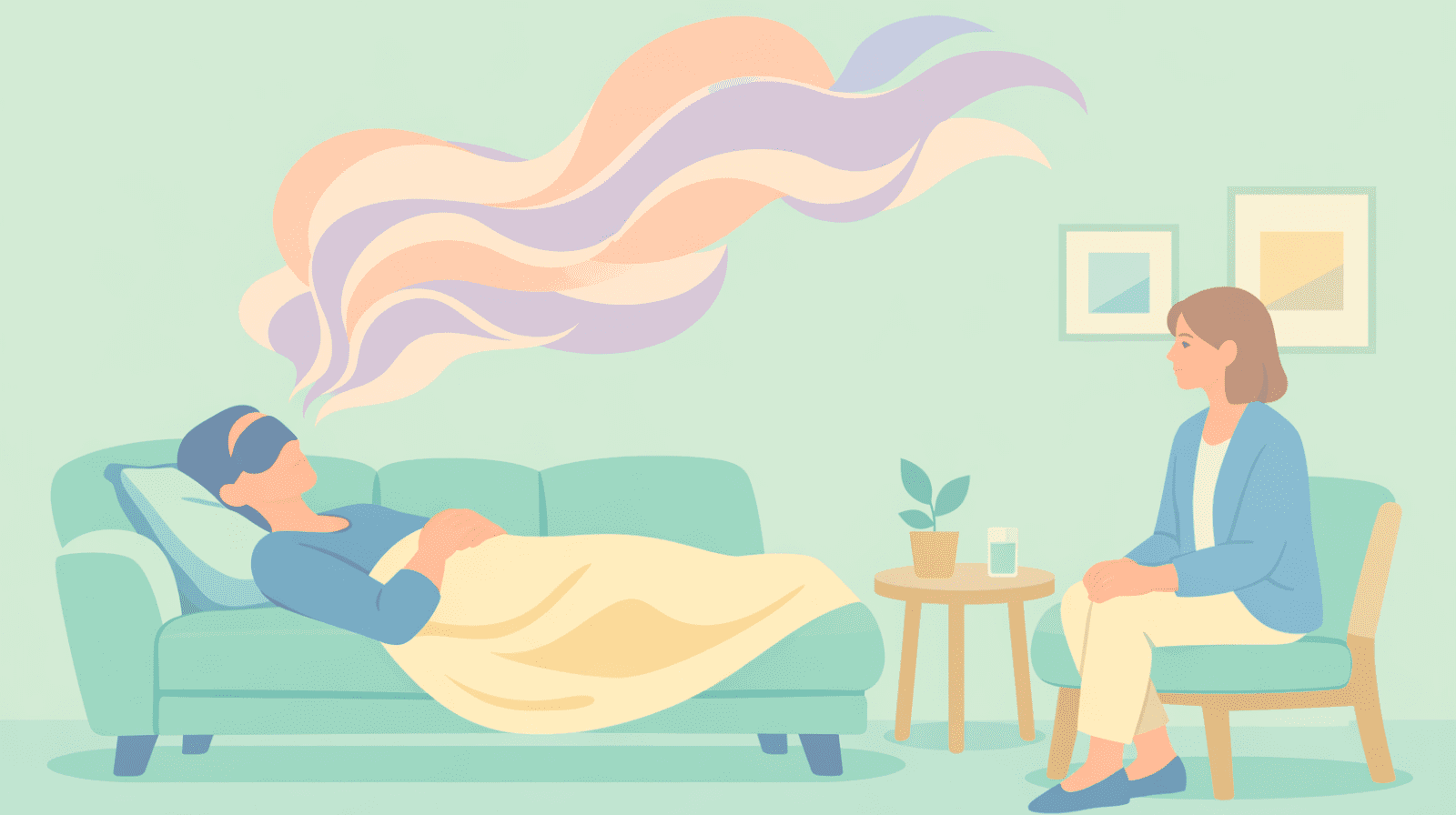
You’ve just spent a week inside a carefully constructed psychedelic retreat. Your days were shaped by intention. Your mornings began without alarms. Conversations went deeper than polite and surface-level. For a while, you were allowed – encouraged, even – to slow down and look inward.
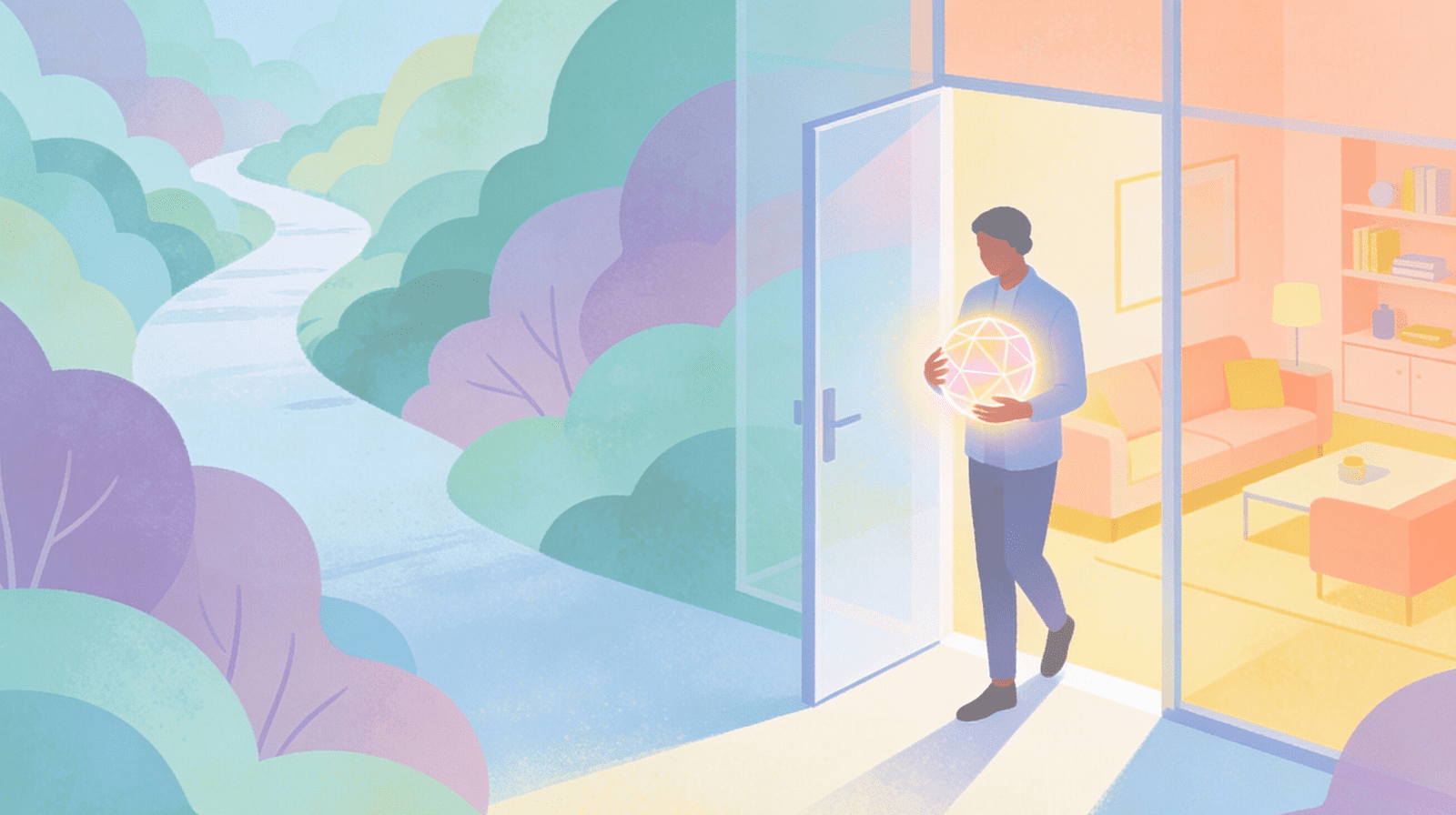
And then you returned home.
Suddenly, there are honking cars and unopened emails and a grocery store glowing with the brightness of a hospital corridor. Your nervous system doesn’t know what to do with all this know-jarring stimulation. You feel thinner-skinned than you remember being. You tear up unexpectedly, and once-minor frustrations land with surprising force. Somewhere in the back of your mind, you wonder, “Wasn’t I just healed?”
If returning to daily life leaves you feeling irritable or strangely sensitive, it isn’t a sign that something has gone wrong. You haven’t lost what you gained. This disorientation is not a failure of the experience; it’s part of it. The phenomenon is so familiar that researchers and clinicians have a name for it: the post-ecstatic blues.

This in-between period is where integration actually begins. Your mind, body, and nervous system alike is recalibrating after a profound interruption to its usual rhythms. Changes are still unfolding, quietly and beneath the surface. Understanding what’s happening and learning how to move through it with care, can help you land more gently as the retreat recedes and ordinary life resumes.
The Chemistry Behind the Post-Ecstatic Blues
A psychedelic retreat isn’t just emotionally powerful – it’s biologically intense. Compounds like psilocybin activate serotonin 5-HT2A receptors, which play a role in your mood, perception, and neuroplasticity. When these receptors are engaged, the brain enters a temporary period of malleability, actively reshaping how neural pathways communicate with one another. Simply put, your brain is hard at work forming new connections and reshaping neural pathways.
With the help of facilitators, this hyper-aware state allows you reap the benefits of your temporary mindset shit. Typically, Retreat-goers use this opportunity to confront and/or reconcile with an experience or trauma that’s affecting their day-to-day.
While wrestling with those deep experiences is largely the goal of a psychedelic retreat, that emotional dump can leave people feeling tired, raw or emotionally sensitive, or unusually affected by their environment. Instead of feeling mentally flexible and open, you may feel fragile. Those external stressors can hit you hard, and your emotions are heightened. One study found that 30% of participants who took psilocybin reported a “post-experience integration challenge”, including mood fluctuations and feeling disconnected from their communities.

This phase is normal and temporary. The brain is recalibrating and its neuronal pathways are restructuring. With adequate rest, gentle routines, and intentional integration, your post-retreat low mood typically gives way to greater clarity and emotional steadiness over the following days or weeks.
The Integration Gap
After psychedelic work, many people feel buoyed by an elevated mood, new clarity, feelings of well-being and connection, and a sense of possibility. It’s what researchers call the “afterglow phenomenon”. People often feel ready to finally leave their job, repair or revise a relationship, or reboot their health. What’s rarely discussed is the discomfort that happens when the glow inevitably fades.
It’s tempting to treat the afterglow as the “new you” or to panic when the peak state fades. You might try to push, grasp, or bypass the more tender emotions that emerge. However, trying to stay permanently elevated or avoid the dip with distractions blocks the necessary deeper work. Psychedelics aren’t meant to make you feel high forever, but they can soften rigid patterns so new ones can grow, or provide insights on life issues, it is up to the individual to address.
Breaking Patterns
The REBUS model (“Relaxed Beliefs Under Psychedelics”), developed by psychedelic researcher Robin Carhart-Harris and neuroscientist Karl Friston, proposes that psychedelics temporarily loosen rigid structures in the brain’s default mode network. This creates space for insight, but also leaves a temporary gap that integration specialists call the “integration gap” – the period when old patterns have loosened but new patterns haven’t yet taken shape. Your nervous system is waiting for new instructions, but teaching your nervous system new stories about who you are takes time, effort, and a soft and gentle touch.
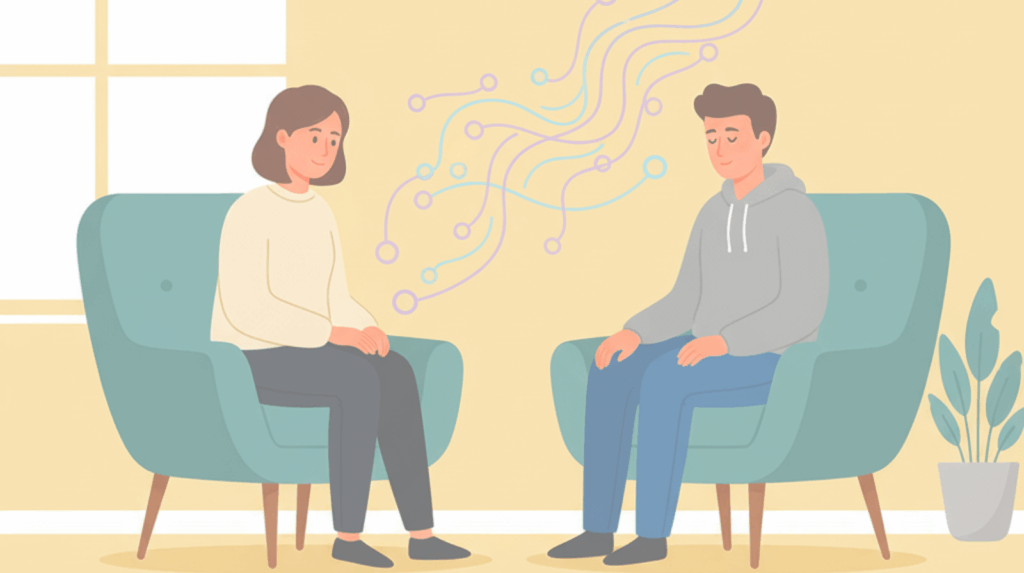
The low that occurs after the glow is part of the process. It doesn’t mean the magic is gone; you are just now in the process of metabolizing and integrating it.
5 Ways to Soften the Landing
Integration is the ongoing process of making sense of your psychedelic experience and weaving its insights into your real life. According to the gold-standard definition by Bathje, et al. 2022, it involves revisiting what came up, reflecting on what it means, and taking small, intentional steps to apply those lessons. Here are five ways you can ease your return and support your integration process:
1. Use Buffer Days
Don’t go straight from the ceremony to the office. Take 24 to 48 hours off to slowly return home, using this time for: sleep, comforting meals, gentle movement, time in nature, and zero scheduling. Your nervous system needs time to reorient.
2. Stay Connected to Your Retreat Community
Isolation can amplify difficult emotions. Community can soften them. Stay in touch with people from your retreat – these are the individuals who understand the terrain you’re navigating. A text thread or weekly check-ins can act as emotional lifelines.

Resources, such as Fireside Project’s support line, are available if you need to talk to someone quickly. MAPS’s free online integration workbook is also a good resource and chock full of information to get you started on your integration journey. You can also search for local integration circles or psychedelic societies to help point you in the right direction, and seeking professional individual support is smart if you’re feelings are intense.
3. Prioritize Your Body
Grounding the nervous system through somatic practices is essential. Support your body with:
- Salt baths or showers
- Seeking feelings of touch and pressure such as weighted blankets or gentle massage
- Nature walks (even short ones). Some advocate for barefoot contact with nature.
- Breath-led movement or restorative yoga
- Swimming (including wild swimming)
- Warm, simple, unprocessed foods
- List
These practices signal safety at a biological level and help your nervous system return to a state of calm.
4. Go Gently With Dopamine
Your post-retreat brain is wide open. High-dopamine spikes followed by crashes can exacerbate the blues. Keep the inputs gentle and try to limit: social media doom-scrolling, alcohol, and late-night screen time.
5. Delay Major Decisions (The Two-Week Rule)
Even if clarity struck during your retreat, give yourself two weeks before making big moves. Your nervous system needs time to integrate insights into grounded understanding. You’ll approach decision-making with more clarity if you do.
6. Meaning Making and Reflection
This practice might take the form of journaling after an experience, which can aid with integration, finding meaning from experiences and clarifying insights which can be more easily applied to one’s life. Drawing or painting is also a form of expressing meaning when reflecting on an experience beyond what words alone can capture. Music making or listening may also support this process.
Frequently Asked Questions
How long does post-retreat depression usually last?
Typically three to 14 days. It is often described as a “re-entry arc.” If symptoms persist for more than 2 weeks or interfere with daily functioning, it may be a sign to seek professional support.
Is it normal to feel worse after a wellness retreat?
Yes. This is often called a “healing crisis” or “integration processing.” When you open deep emotional wounds or disrupt your default brain patterns, things often feel chaotic before they reorganize into a higher order of coherence.
Should I make big life decisions (like quitting my job) right after a retreat?
No. The “afterglow” or the “crash” can both distort judgment. Wait at least 2 to 4 weeks until your emotional baseline stabilizes before making major relationship or career changes.
References
- Vollenweider, Franz X, and John W Smallridge. “Classic Psychedelic Drugs: Update on Biological Mechanisms.” Pharmacopsychiatry vol. 55,3 (2022): 121-138. doi:10.1055/a-1721-2914
- Acero, V. P., Flatt, T. A., Gooch, P. M., Gaughan, S. J., Levin, A. W., & Davis, A. K. (2025). From molecules to meaning: unpacking the antidepressant mechanisms of psychedelic drugs. Expert Review of Clinical Pharmacology, 18(5), 263–280. https://doi.org/10.1080/17512433.2025.2515866
- Daws, R.E., Timmermann, C., Giribaldi, B. et al. Increased global integration in the brain after psilocybin therapy for depression. Nat Med 28, 844–851 (2022). https://doi.org/10.1038/s41591-022-01744-z
- Banks, Matthew I et al. “Catalysts for change: the cellular neurobiology of psychedelics.” Molecular biology of the cell vol. 32,12 (2021): 1135-1144. doi:10.1091/mbc.E20-05-0340
- Brouwer A, Carhart-Harris RL. Pivotal mental states. Journal of Psychopharmacology. 2020;35(4):319-352. doi:10.1177/0269881120959637
- Agnorelli, Claudio et al. “Neuroplasticity and psychedelics: A comprehensive examination of classic and non-classic compounds in pre and clinical models.” Neuroscience and biobehavioral reviews vol. 172 (2025): 106132. doi:10.1016/j.neubiorev.2025.106132
- Lutkajtis, Anna, and Jules Evans. “Psychedelic integration challenges: Participant experiences after a psilocybin truffle retreat in the Netherlands”. Journal of Psychedelic Studies 6.3 (2023): 211-221. https://doi.org/10.1556/2054.2022.00232 Web.
- Evens R, Schmidt ME, Majić T, Schmidt TT. The psychedelic afterglow phenomenon: a systematic review of subacute effects of classic serotonergic psychedelics. Therapeutic Advances in Psychopharmacology. 2023;13. doi:10.1177/20451253231172254
- Carhart-Harris RL, Friston KJ. REBUS and the Anarchic Brain: Toward a Unified Model of the Brain Action of Psychedelics. Pharmacol Rev. 2019;71(3):316-344. doi:10.1124/pr.118.017160
- Bathje, Geoff J et al. “Psychedelic integration: An analysis of the concept and its practice.” Frontiers in psychology vol. 13 824077. 4 Aug. 2022, doi:10.3389/fpsyg.2022.824077
- Gandy S, Forstmann M, Carhart-Harris RL, Timmermann C, Luke D, Watts R. The potential synergistic effects between psychedelic administration and nature contact for the improvement of mental health. Health Psychology Open. 2020;7(2). doi:10.1177/2055102920978123
- Evans, Jules et al. “Extended difficulties following the use of psychedelic drugs: A mixed methods study.” PloS one vol. 18,10 e0293349. 24 Oct. 2023, doi:10.1371/journal.pone.0293349