
-2-1.png)


In the past decade, psychedelics have moved from the margins into mainstream conversations about mental health, creativity, and culture. Renewed scientific interest, high-profile books and articles, shifting public attitudes, and documentaries like Fantastic Fungi and How to Change Your Mind have all helped fuel what’s often called the “psychedelic renaissance.”
Documentaries have been central to that shift because they can turn complex science, history, and personal testimony into emotionally engaging stories. For curious viewers, they offer an accessible way to explore the questions surrounding psychedelics: safety, ethics, legality, spirituality, policy, and the lived experience of taking these substances. Because psychedelics aren’t only about the medicines themselves. They’re also about the human stories that give them meaning and context.
Curious what to watch first? Below is a curated guide to some of the most informative and engaging documentaries about psychedelics.
How to Change Your Mind
Based on Michael Pollan’s bestselling book, this series blends investigative journalism, historical background, and personal exploration. Each episode focuses on a different compound (LSD, psilocybin, MDMA, mescaline) and pairs Pollan’s on-camera experiences with interviews of researchers, clinicians, and patients.
The series is notable for making scientific concepts, such as clinical trials, set-and-setting, and integration, accessible without oversimplifying. It showcases contemporary research institutions, emphasizing the therapeutic context in which these compounds are being studied. For viewers unfamiliar with the science, the series is an approachable primer on how trials are designed, what outcomes researchers measure, and the ethical questions that arise when translating lab findings into clinical practice.
Magic Medicine
Magic Medicine follows a clinical trial in the UK that tested psilocybin-assisted therapy for treatment-resistant depression. Rather than a broad overview, it offers an inside look at participant journeys, the therapeutic process, and the logistical and emotional complexities of running early-stage trials.
The film highlights the carefully controlled environment of modern psychedelic research and captures the promise and ambiguity that come with preliminary clinical findings. It’s particularly useful for viewers interested in the nuts-and-bolts of trial methodology and the human stakes of experimental treatments.
Magic Trip
Directed from a trove of newly rediscovered footage, Magic Trip chronicles the 1964 cross-country LSD road trip taken by One Flew Over the Cuckoo's Nest author Ken Kesey and the Merry Pranksters. The film is a vivid portrait of early psychedelic culture, capturing the energy, optimism, and chaos that fueled the countercultural movement.
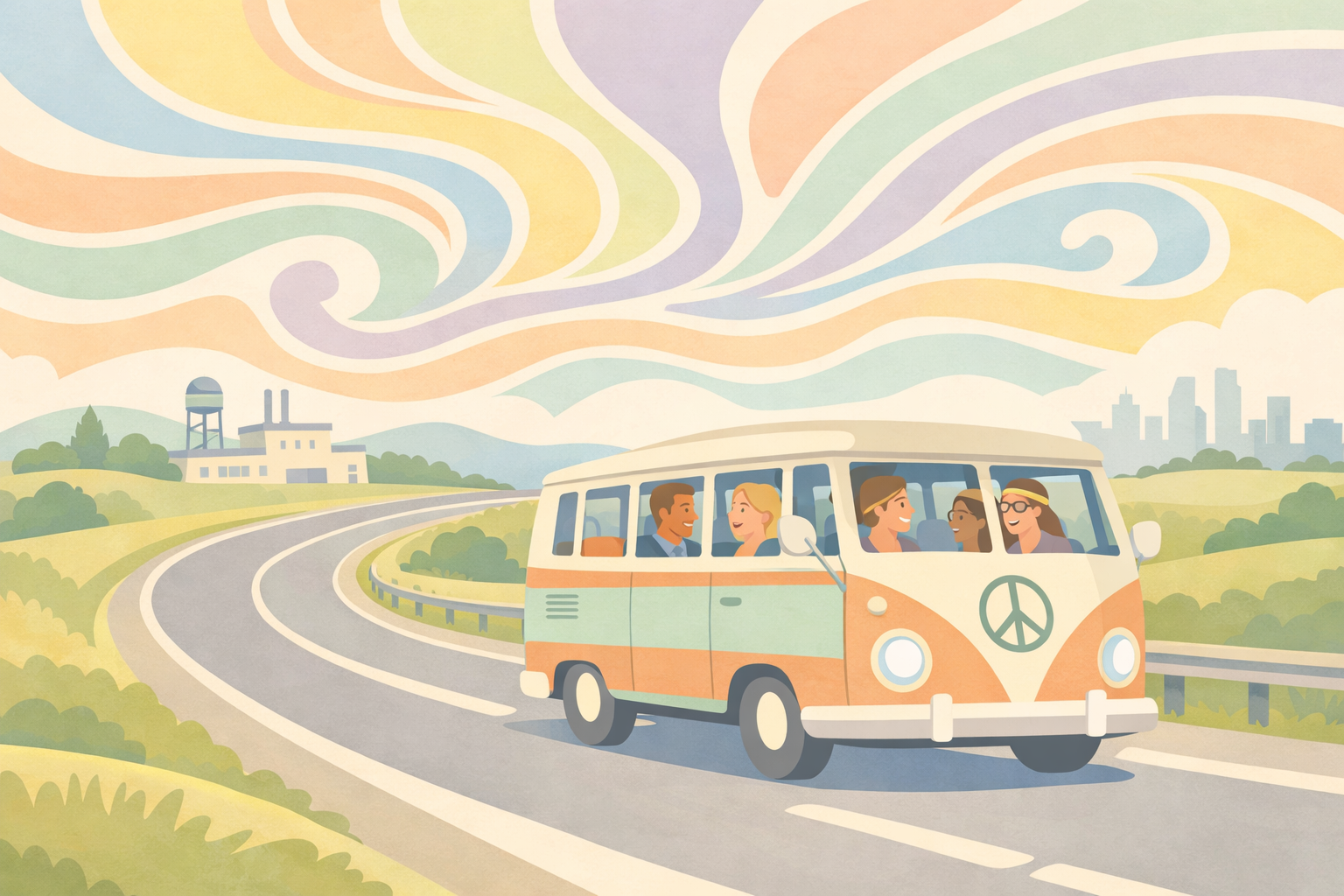
For viewers seeking historical context, as well as how psychedelics intersected with art, politics, and social change, Magic Trip is a raw and evocative window into a formative era that shaped later public perceptions and policy.
The Sunshine Makers
This documentary tells the improbable story of two chemists who became activists producing large quantities of LSD in the 1960s and 1970s. Blending archival material, interviews, and narration, The Sunshine Makers details the manufacturing of the famous "Orange Sunshine" strain of acid and the chemists' mission to 'turn on the world" and save humanity through psychedelics, while evading the law. It’s a cautionary historical tale that helps explain the moral panics and legal crackdowns that followed psychedelic experimentation in the 20th century.
The Last Shaman
The Last Shaman follows American James Freeman who travels to the Peruvian Amazon in search of healing through ayahuasca after conventional treatments for severe depression and suicidality had failed him. The film is intimate and at times raw, offering an inside look at how indigenous plant-medicine traditions intersect with Western seekers. It raises important questions about cultural appropriation, ethical tourism, and the search for meaning.
Dosed: The Trip of a Lifetime
Dosed is the story of a mother who gains legal access to psilocybin-assisted therapy, as she faces the anxiety and emotional storm that's comorbid with terminal illness, in this case cancer. Following her psychedelic experience, she embarks on a journey of personal transformation, as she explores possible routes of healing cancer, such as cannabis oil. For viewers seeking stories that focus more on humans than clinical trials, Dosed provides relatable emotion and sober reflection about both the potential and limits of psychedelic-assisted healing.
From Shock to Awe
From Shock to Awe follows the personal stories of two combat veterans who embark on a journey of psychedelic healing and exploration to treat severe PTSD (posttraumatic stress disorder) following their return from war. Having found little relief from conventional pharmaceuticals, they venture into the world of alternative therapies, including MDMA, ayahuasca, and cannabis to "reset" their minds.
Fantastic Fungi
Fantastic Fungi dives into the intricate, fascinating world of magic mushrooms, exploring the potential of these unassuming species to offer environmental solutions for reducing toxins and fighting climate change, for connecting ecosystems through their mycelial networks (known as nature's internet), for healing various physical and mental health conditions within human, and much more. Combining time-lapse photography, this captivating film sheds light on the magic and mystery of mushrooms to heal and regenerate life on earth.
How Documentaries Shape Public Understanding
Documentaries have played a dual role: amplifying scientific findings to wider audiences and humanizing the individuals behind the data. Film can make abstract research relatable by showing faces, voices, and everyday consequences. Effective documentaries often do three things well: contextualize history (how policy and culture shaped current landscapes), present science with nuance (including limitations and ongoing questions), and center human stories (which ground ethical debates in lived experience). Whether your interest is research-oriented, historically focused, or personally motivated, these documentaries will give you a window into the infinite possibilities and rich history of psychedelics.
Frequently Asked Questions
Before you apply
Beckley runs legal, guided psilocybin retreats in Jamaica and psilocybin retreats in the Netherlands: four weeks of preparation, two guided sessions on retreat, six weeks of integration, online and at your own pace, one to two hours a week. Plain answers to the questions people ask first:
What a psilocybin retreat costs · What happens, day by day · Jamaica or the Netherlands · Who should not attend · Apply