
-2-1.png)


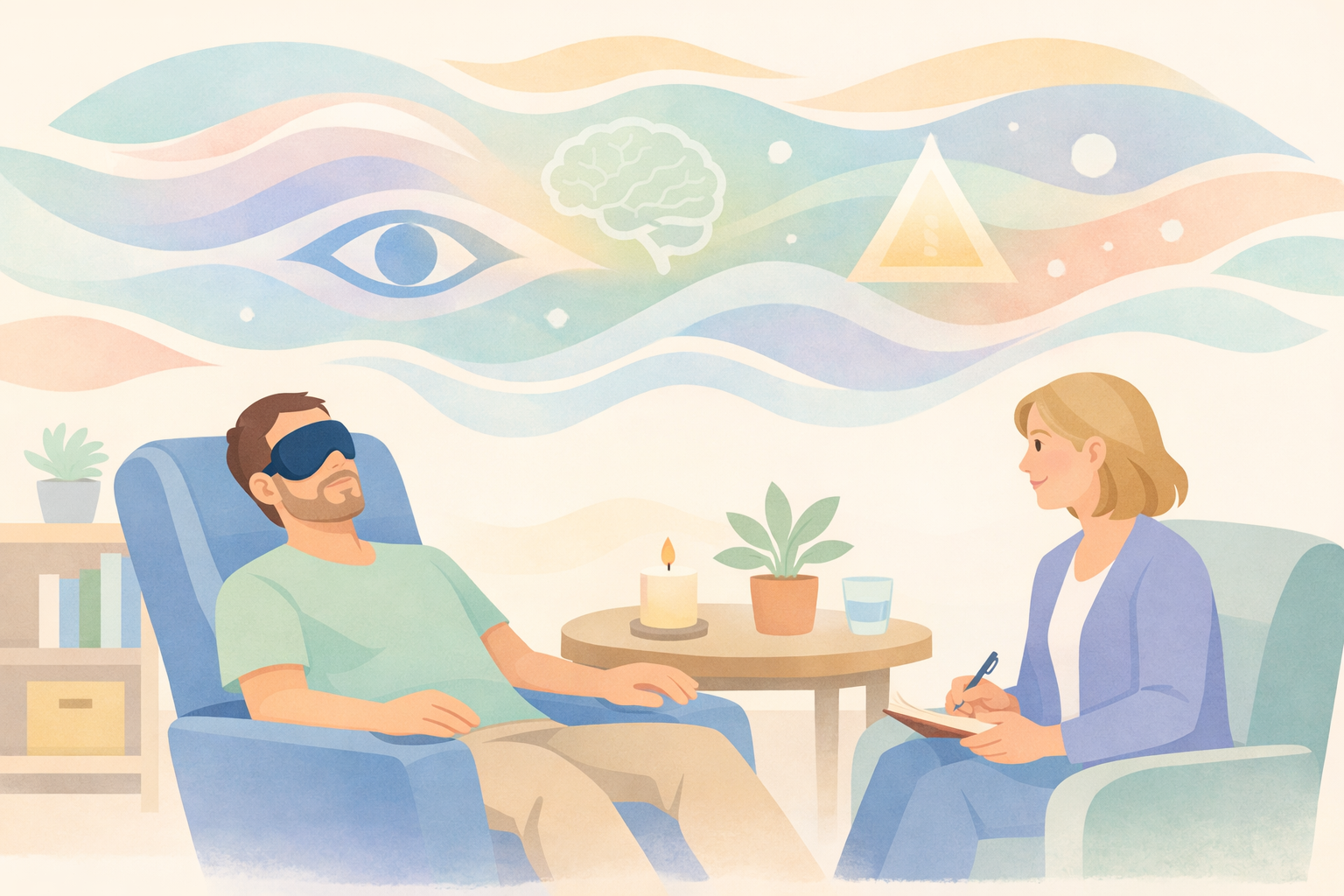
Psychedelics may be more popular than ever, but that doesn’t mean they’re perfectly safe. Research into psychedelic interest trends indicates a sharp upward turn; reported use of LSD, for instance, grew by over 50% between 2015 and 2018.
Much of this mounting popularity is owed to a growing body of research on the potential of drugs like psilocybin to treat mental illness. The therapeutic potential is there - but so are potential hazards.
This article will help you understand the risks of psychedelics, how to mitigate them, and the driving forces behind psychedelic harm reduction.
Understanding the Risks of Psychedelics
Mind-altering substances have been used recreationally for centuries. Research points to compounds like LSD or psilocybin featuring prominently in cultural ceremonies, shamanic rituals, and alternative medicine alike.

But the contemporary interest in psychedelics largely centers around their clinical potential. Where medication or talk therapy alone falter, psychedelics may shine - new research makes a compelling case for those who can’t find relief elsewhere.
While broadly regarded as safe if administered in controlled doses under supervision, psychedelics are hardly a risk-free cure-all.
Physical Risks
Psychedelics induce altered states of consciousness, but they can strongly impact your physical state, too.
- Some data have indicated an association between psychedelic use and hypertension.
- Other studies describe increased risks of cardiovascular events like ischemia, arrhythmia, and structural damage at high doses.
And then there’s physical safety to consider - survey data says that up to 11% of psilocybin mushroom users put “themselves or others” at risk of physical harm. However, this reporting also highlights that individuals in danger often took too high a dose, or lacked appropriate supervision.
Mental & Emotional Risks
Some psychedelic voyagers are at risk of serious mental & emotional anguish. This is more than a bad trip; those do happen, but negative vibes are often transient and don’t cause long-term harm.
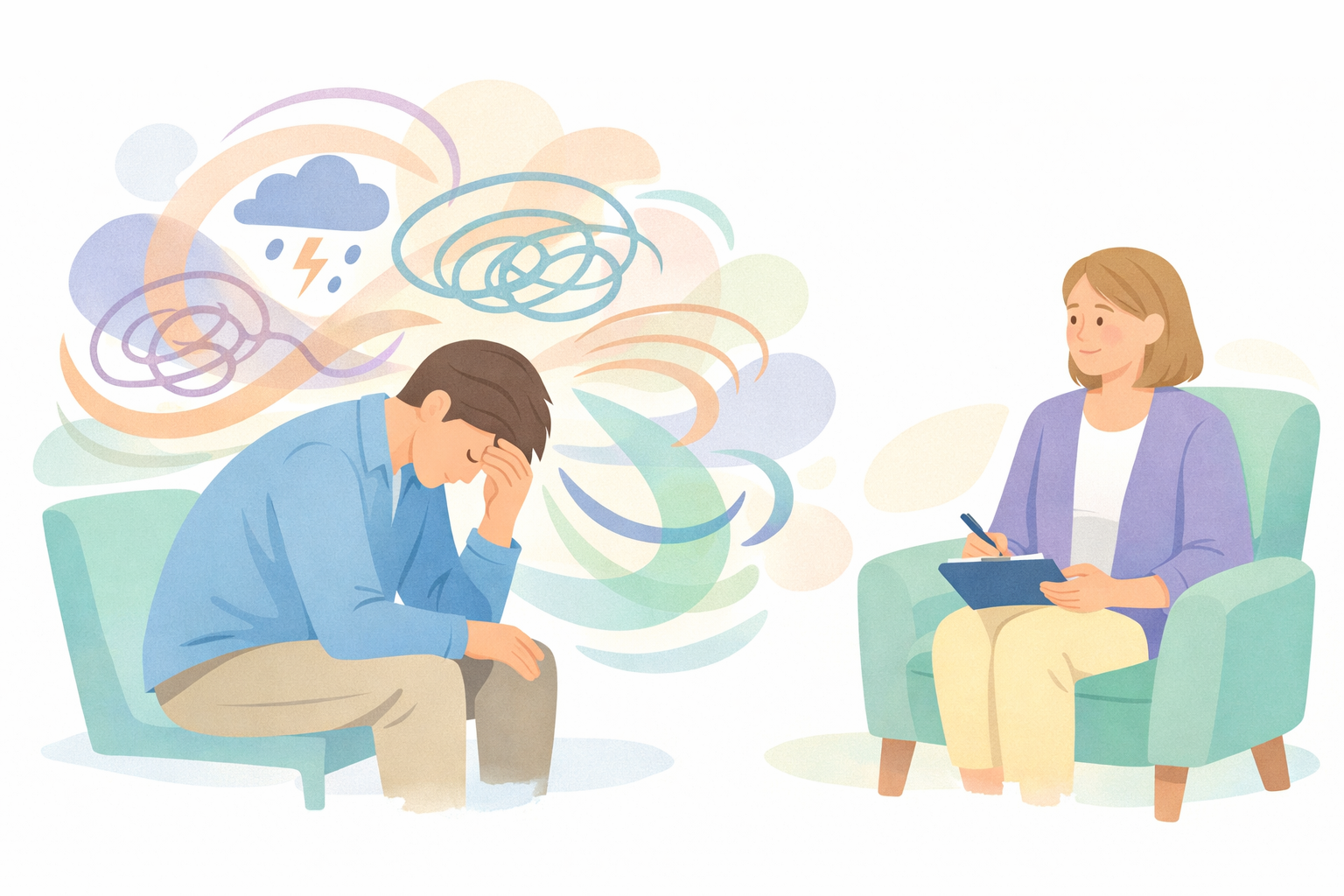
More serious issues, like psychosis, may arise if you have certain pre-existing issues or are taking a prescription medication which interacts negatively with the drug. Fortunately, serious negative events are rare, and risk mitigation with psychedelics starts long before you actually consume anything.
How To Know if You’re at Risk With Psychedelics
Whether you’re interested in psychedelics for recreational or therapeutic reasons, you need to do your due diligence beforehand. Precautionary measures can help you avoid unwanted side effects, some of which may require emergency medical intervention.
Personal & Family Health History
Psychedelic retreats typically conduct thorough pre-screens for all guests prior to ingestion. This process goes far deeper than asking what you had for breakfast.

You’ll usually need to provide an overview of your personal and familial health background - certain hereditary conditions, such as schizophrenia or bipolar, may be worsened or activated by psychedelic substances. As such, many clinical trials omit sufferers of those conditions from even participating in research settings.
Medication Interactions
You may also be at higher risk of harm if you’re taking medication that contraindicates, or harmfully interacts with, a psychedelic substance.
However, it’s worth noting that much of the research around psychedelics’ clinical potential is as a form of adjunct therapy - something you do alongside taking a pharmaceutical drug, or attending counseling services.
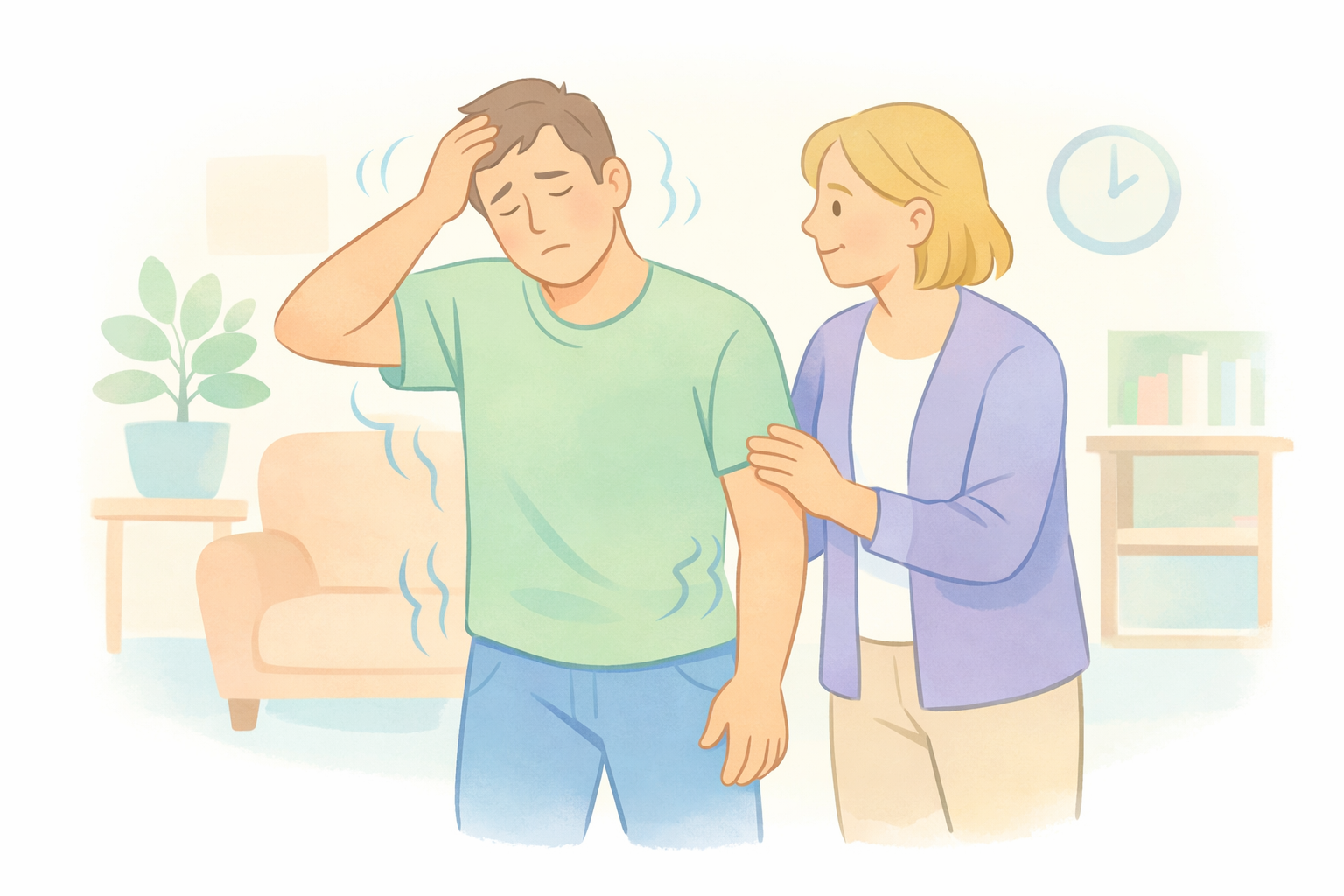
That’s why it’s so crucial to be screened by a qualified team in advance. Facilitators and medical staff will have an informed perspective on what’s safe, and unsafe, to mix.
Psychedelic Risk Mitigation: Why Set & Setting Make the Difference
In psychedelic studies, “set and setting” describes a collection of principles meant to safeguard the experience.
- “Set” refers to internal status, including mindset, character, mood, and expectations.
- “Setting” describes the user’s physical state, as well as the cultural and environmental context of psychedelic use.
Set & setting protocols put guardrails on both to help make the trip safer and more productive.
How Psychedelic Harm Reduction Reduces Risk
There’s a renewed positive interest in psychedelics, but historically, use of psychedelic substances was framed by clinicians and authorities as a harmful form of addiction - something users indulge in recklessly.

Fortunately, the climate is becoming more compassionate, with many scholars and experts emphasizing the important role of harm reduction. In plain English, psychedelic harm reduction and integration (PHRI) is a patient-focused framework that acknowledges and manages the risks of psychedelics to better allow patients to pursue the benefits.
Preparation & Intention-Setting
When it comes to psychedelics, you can reduce risk of harm by taking time to curate your perspective in advance. This falls under the “set” part of set and setting, as psychedelics quite literally distort the world as you experience it.
If you enter the session or treatment with a positive attitude and clear understanding - to the best of your ability, if it’s your first time - what’s in store, you’re less likely to wander down a dark path.
Safe Environments & Experienced Facilitators
If you’re getting involved with psychedelics for the first time, you should begin your journey under the stewardship of trusted professionals in a clinic or guided retreat. Psychedelic facilitators are your lifeline here. Think of them more like lifeguards than tour guides; they’re there to observe you during your trip, nudge you if needed, and only intervene when necessary.

Facilitators at psychedelic retreats also go to great lengths to make sure the physical space is safe and conducive to maximizing the experience. This will generally mean low ambient light and sound, soft textures and surfaces, and a generally relaxing vibe.
Post-Trip Integration Support
With psychedelics, the benefits (and risks) don’t vanish once you come down from the high. Psychedelic substances induce periods of increased neuroplasticity, or your brain’s ability to reformat itself and form new neural bonds that shape the way you look at life.
Psychedelic integration capitalizes on that window. Instead of leaving you alone with a sensitive collection of thoughts and feelings, integration practices reduce risk of harm by “landing the plane” gracefully.
After a psychedelic episode, harm reduction and integration blend together, taking the shape of talk therapy, journaling, meditation, or somatic exercise to attune you back to your body and help you sift through the emotional material you dredged up.
Frequently Asked Questions
Sources
- Yockey RA, Vidourek RA, King KA. Trends in LSD use among US adults: 2015-2018. Drug Alcohol Depend. 2020 Jul 1;212:108071. doi: 10.1016/j.drugalcdep.2020.108071. Epub 2020 May 15. PMID: 32450479.
- Winkelman MJ. The Evolved Psychology of Psychedelic Set and Setting: Inferences Regarding the Roles of Shamanism and Entheogenic Ecopsychology. Front Pharmacol. 2021 Feb 23;12:619890. doi: 10.3389/fphar.2021.619890. PMID: 33732156; PMCID: PMC7959790.
- Goodwin GM, Aaronson ST, Alvarez O, Arden PC, Baker A, Bennett JC, Bird C, Blom RE, Brennan C, Brusch D, Burke L, Campbell-Coker K, Carhart-Harris R, Cattell J, Daniel A, DeBattista C, Dunlop BW, Eisen K, Feifel D, Forbes M, Haumann HM, Hellerstein DJ, Hoppe AI, Husain MI, Jelen LA, Kamphuis J, Kawasaki J, Kelly JR, Key RE, Kishon R, Knatz Peck S, Knight G, Koolen MHB, Lean M, Licht RW, Maples-Keller JL, Mars J, Marwood L, McElhiney MC, Miller TL, Mirow A, Mistry S, Mletzko-Crowe T, Modlin LN, Nielsen RE, Nielson EM, Offerhaus SR, O'Keane V, Páleníček T, Printz D, Rademaker MC, van Reemst A, Reinholdt F, Repantis D, Rucker J, Rudow S, Ruffell S, Rush AJ, Schoevers RA, Seynaeve M, Shao S, Soares JC, Somers M, Stansfield SC, Sterling D, Strockis A, Tsai J, Visser L, Wahba M, Williams S, Young AH, Ywema P, Zisook S, Malievskaia E. Single-Dose Psilocybin for a Treatment-Resistant Episode of Major Depression. N Engl J Med. 2022 Nov 3;387(18):1637-1648. doi: 10.1056/NEJMoa2206443. PMID: 36322843.
- Simonsson O, Hendricks PS, Carhart-Harris R, Kettner H, Osika W. Association Between Lifetime Classic Psychedelic Use and Hypertension in the Past Year. Hypertension. 2021 May 5;77(5):1510-1516. doi: 10.1161/HYPERTENSIONAHA.120.16715. Epub 2021 Mar 8. PMID: 33677982.
- Nahlawi A, Ptaszek LM, Ruskin JN. Cardiovascular effects and safety of classic psychedelics. Nat Cardiovasc Res. 2025 Feb;4(2):131-144. doi: 10.1038/s44161-025-00608-2. Epub 2025 Feb 5. PMID: 39910289.
- Carbonaro TM, Bradstreet MP, Barrett FS, MacLean KA, Jesse R, Johnson MW, Griffiths RR. Survey study of challenging experiences after ingesting psilocybin mushrooms: Acute and enduring positive and negative consequences. J Psychopharmacol. 2016 Dec;30(12):1268-1278. doi: 10.1177/0269881116662634. Epub 2016 Aug 30. PMID: 27578767; PMCID: PMC5551678.
- Sabé, M., Sulstarova, A., Glangetas, A. et al. Reconsidering evidence for psychedelic-induced psychosis: an overview of reviews, a systematic review, and meta-analysis of human studies. Mol Psychiatry 30, 1223–1255 (2025).
- Schlag AK, Aday J, Salam I, Neill JC, Nutt DJ. Adverse effects of psychedelics: From anecdotes and misinformation to systematic science. J Psychopharmacol. 2022 Mar;36(3):258-272. doi: 10.1177/02698811211069100. Epub 2022 Feb 2. PMID: 35107059; PMCID: PMC8905125.
- Gorman I, Nielson EM, Molinar A, Cassidy K and Sabbagh J (2021) Psychedelic Harm Reduction and Integration: A Transtheoretical Model for Clinical Practice. Front. Psychol. 12:645246. doi: 10.3389/fpsyg.2021.645246
- Gorman I, Nielson EM, Molinar A, Cassidy K and Sabbagh J (2021) Psychedelic Harm Reduction and Integration: A Transtheoretical Model for Clinical Practice. Front. Psychol. 12:645246. doi: 10.3389/fpsyg.2021.645246
- Calder, A.E., Hasler, G. Towards an understanding of psychedelic-induced neuroplasticity. Neuropsychopharmacol. 48, 104–112 (2023).
- Sabé M, Sulstarova A, Glangetas A, De Pieri M, Mallet L, Curtis L, Richard-Lepouriel H, Penzenstadler L, Seragnoli F, Thorens G, Zullino D, Preller K, Böge K, Leucht S, Correll CU, Solmi M, Kaiser S, Kirschner M. Reconsidering evidence for psychedelic-induced psychosis: an overview of reviews, a systematic review, and meta-analysis of human studies. Mol Psychiatry. 2025 Mar;30(3):1223-1255. doi: 10.1038/s41380-024-02800-5. Epub 2024 Nov 27. PMID: 39592825; PMCID: PMC11835720.
Before you apply
Beckley runs legal, guided psilocybin retreats in Jamaica and psilocybin retreats in the Netherlands: four weeks of preparation, two guided sessions on retreat, six weeks of integration, online and at your own pace, one to two hours a week. Plain answers to the questions people ask first:
What a psilocybin retreat costs · What happens, day by day · Jamaica or the Netherlands · Who should not attend · Apply