
-2-1.png)

Research & Science
Grounded in science.
Not dressed up in it.
Beckley Retreats grew out of the Beckley Foundation, which has supported and published psychedelic research for over 25 years. Our programs are shaped by that evidence base, and by researchers active in the field today.
Our Lineage
Where our research comes from
Our approach is grounded in two sources of scientific expertise. A foundation with 25 years of published psychedelic science, and a research team whose members hold academic appointments in the field.
.png)
The Beckley Foundation has funded, designed and co-authored psychedelic research for over 25 years, including the Beckley/Imperial Psychedelic Research Programme established with Professor David Nutt at Imperial College London. The Foundation reports that its studies have resulted in over 35 publications, many in high-impact scientific journals.
Beckley Retreats shares the Foundation's founding lineage and its commitment to evidence. The Foundation is an independent research charity, and its published work stands on its own.
Visit the Beckley Foundation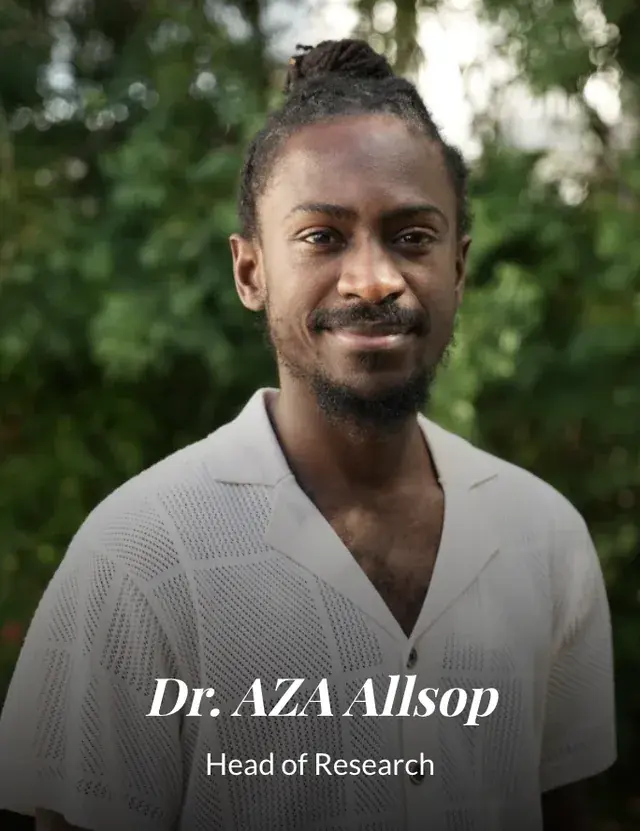
Dr. AZA Allsop
Assistant Professor of Psychiatry at Yale School of Medicine. MD from Harvard Medical School and PhD in Neuroscience from MIT.
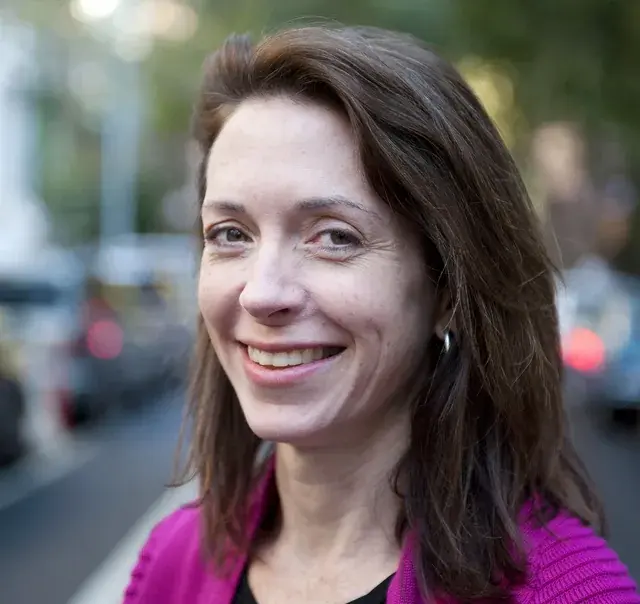
Dr. Karestan Koenen
Professor of Psychiatric Epidemiology at the Harvard T.H. Chan School of Public Health, advising on Beckley's research approach.
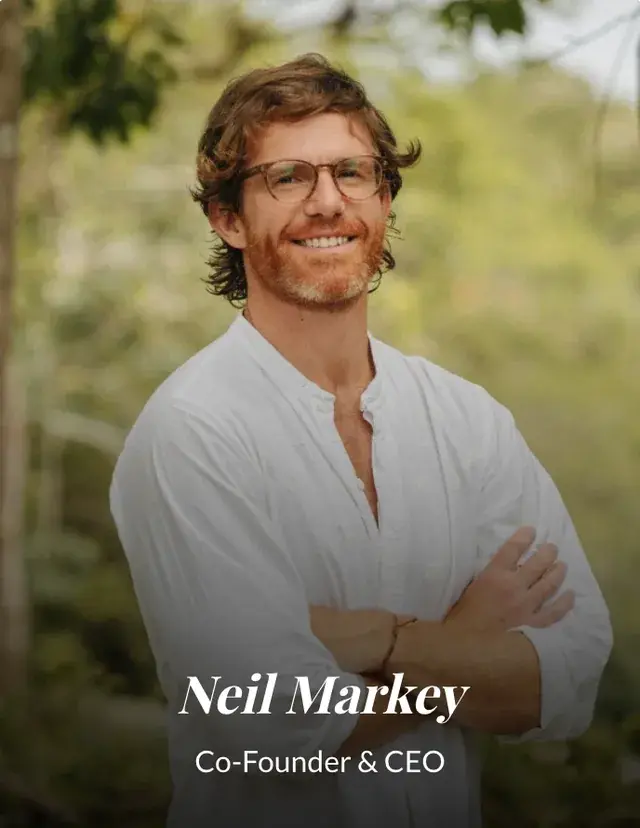
Neil Markey
Part-time Master's student at the Harvard T.H. Chan School of Public Health, studying integrative health programs.
These are individual academic appointments and advisory relationships held by members of our team. They are not institutional partnerships with, or endorsements of, Beckley Retreats.
Six ways into the research
We organise the evidence around the questions people actually ask, from whether this creates lasting change to what the science still cannot tell us. Each area stands on its own evidence base.
Meaning and transformation
Will this actually change something for me? This is the most established part of the literature. In Johns Hopkins studies, healthy participants rated a guided psilocybin experience among the most personally meaningful events of their lives, with shifts in openness and values reported months later.
Psilocybin and personal meaningPresence and connection
Nature connectedness and meditation each have their own substantial research base for supporting attention, resilience and perspective. We present them as separate, well supported practices. The specific combination of all three has not been rigorously tested.
Nature, meditation and connectionMind and mechanism
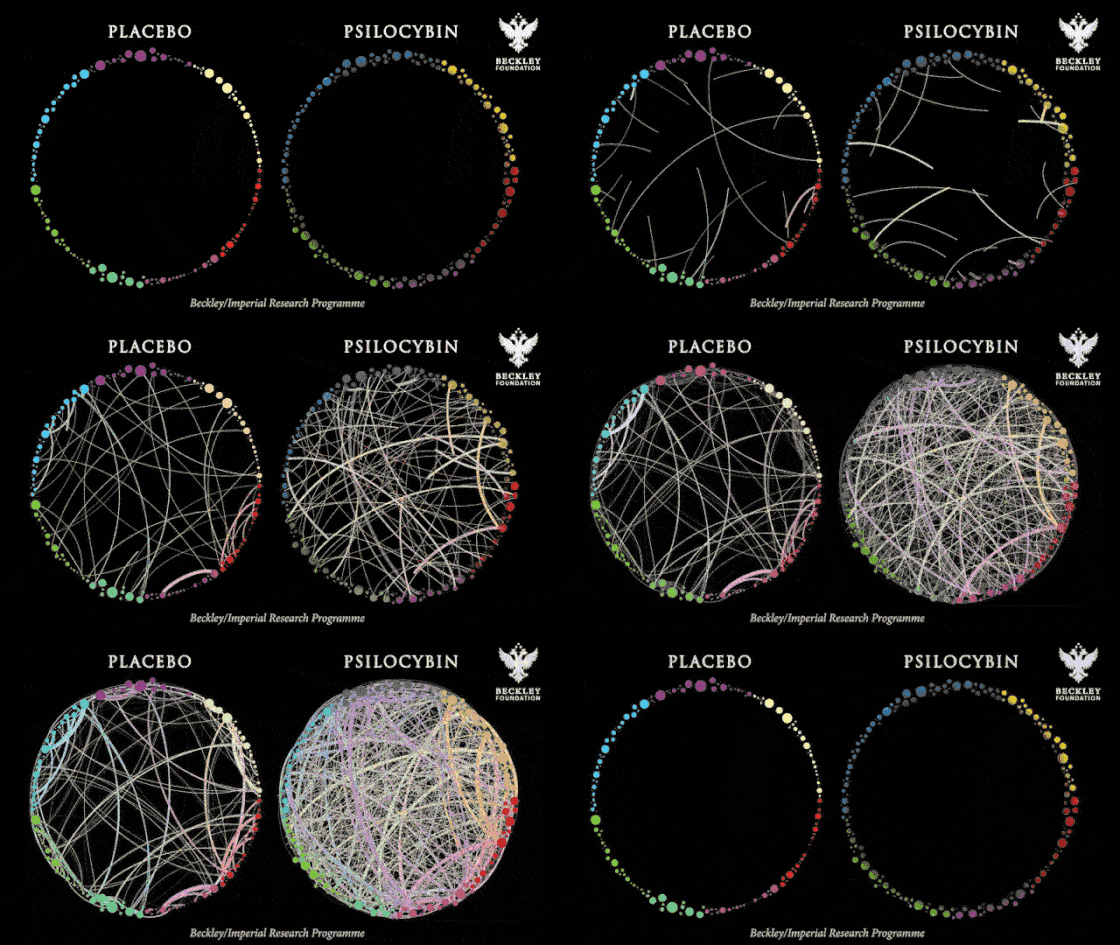
For people who want to understand why. Brain imaging from the Beckley/Imperial Psychedelic Research Programme shows psilocybin temporarily increasing communication between regions that do not usually connect, which researchers associate with cognitive and emotional flexibility.
How psilocybin affects the brainSafety and rigor
Screening, contraindications, facilitator ratios and preparation protocols. This is where a structured program differs most from the unregulated retreat market, and where the evidence base is applied most directly to practice.
Screening and facilitator supportThe honest read
What the science does not yet show. The limitations, the open questions, and the gap between clinical trial conditions and retreat settings. We think this deserves its own section rather than a footnote.
What research cannot tell usThe landscape
The regulatory and legal context for psilocybin across jurisdictions, including the two where our programs operate. Most useful for clinicians and referral partners assessing whether a program is legitimate.
Research and regulatory contextThe Honest Read
What the science does not yet show
If we only showed you the encouraging findings, you would be right to discount them. Here is where the evidence is genuinely thin, and what we cannot claim.
Most studies are small
Much of the psilocybin literature comes from early stage studies with modest sample sizes. Promising results are not the same as settled consensus, and several findings await replication at scale.
Trials are not retreats
The strongest clinical data comes from tightly controlled trials with screened participants and clinical supervision. A retreat is a different context, and results from one setting do not transfer automatically to the other.
The combination is understudied
Psilocybin, nature connectedness, and meditation each have their own evidence. The specific three way combination has not been rigorously tested, so we do not claim a proven synergy between them.
Long term data is limited
Follow up in most studies is measured in weeks or months rather than years. What happens over longer horizons, and for whom, is still an open research question.
Our own data is not clinical evidence
Guest reported outcomes reflect how people describe their own experiences. They are useful and we take them seriously, but they have not been through peer review and should not be read as clinical proof.
This is not a treatment
Psilocybin is not approved by the U.S. FDA for any medical indication yet. Our programs are wellbeing experiences, not clinical treatment for any diagnosed condition, and they are not offered in the United States.
Research we're part of
We don't just cite research, we take part in it, and we apply the current evidence base directly to how our programs are designed, screened, and facilitated.
Beckley/Imperial Psychedelic Research Programme
Researchers found psilocybin temporarily increases communication between brain regions
In work from the Beckley/Imperial Psychedelic Research Programme, established by the Beckley Foundation with Imperial College London, researchers used brain imaging and reported that psilocybin temporarily increases communication between regions that do not usually connect under normal conditions.
Beckley Retreats shares the Foundation's founding lineage, and this body of research informs how we design our programs. Our Head of Research, Dr. AZA Allsop, holds an MD from Harvard Medical School, a PhD in Neuroscience from MIT, and a faculty position at Yale, held in a personal capacity.
Read the original study
Research-informed program design
Preparation, the guided experience, and integration are structured around what the current evidence suggests supports safety and lasting change, led by our Head of Research.
Studying our own outcomes
We are building the practice of measuring our programs, including graduate research by our co-founder, so our claims stay grounded in what we can actually substantiate.
Safety, screening & training
Rigorous application screening, comprehensive safety protocols, and facilitator training are all informed by the current evidence base, with medical professionals available.
Research we're contributing to
Here's a selection of research from the Beckley ecosystem and studies involving Beckley Retreats participants. We distinguish peer reviewed research and independent publications from our own program content. None of it should be read as a claim that our programs treat or cure any medical condition.
The Beckley/Imperial Psychedelic Research Programme
Improved mental health outcomes and normalised spontaneous EEG activity in veterans reporting a history of traumatic brain injuries following participation in a psilocybin retreat
A plain-language guide to the new veteran psilocybin research
Guest-Reported Outcomes
What our guests tell us
About these figures. Source: internal Beckley Retreats surveys sent to retreat participants (the score of 91 uses the Net Promoter Score method). These are guest-reported figures, not peer-reviewed research or clinical outcomes, and should not be read as evidence that our programs treat any condition. Full sample sizes and measurement timeframes are on file.
Our Research Team
The people behind the science
Researchers and clinicians actively contributing to the field, not just consuming it.
Dr. AZA Allsop
MD from Harvard Medical School and PhD in Neuroscience from MIT, and Assistant Professor of Psychiatry at Yale School of Medicine, leading Beckley's research and program design.
Read full bioNeil Markey
Former U.S. Army Ranger captain and part-time Master's student at the Harvard T.H. Chan School of Public Health, studying the impact of integrative health programs.
Read full bioDr. Karestan Koenen
Professor of Psychiatric Epidemiology at the Harvard T.H. Chan School of Public Health and a leading academic in trauma and mental health, advising Beckley's research approach.
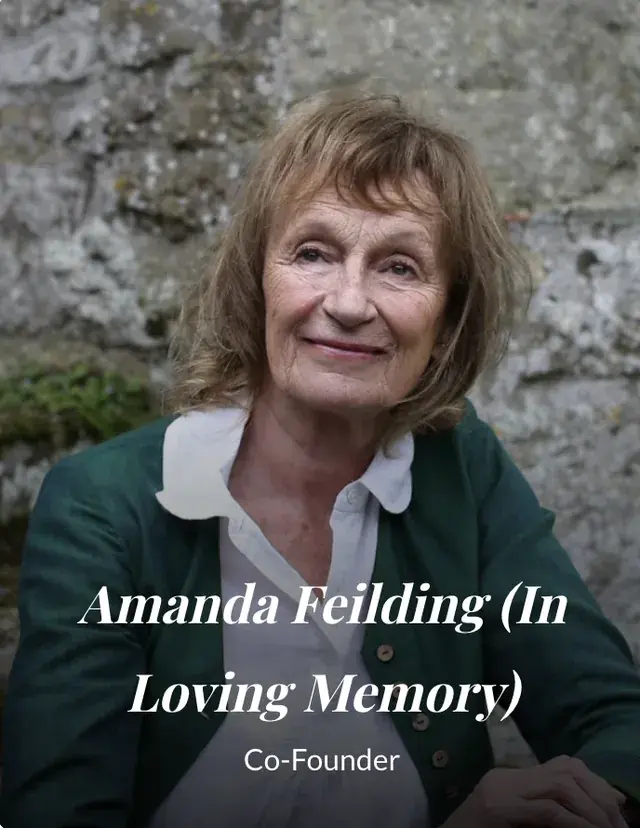
Amanda Feilding
Founder of the Beckley Foundation and a pioneering force in psychedelic science and policy for over 25 years.
Read full bio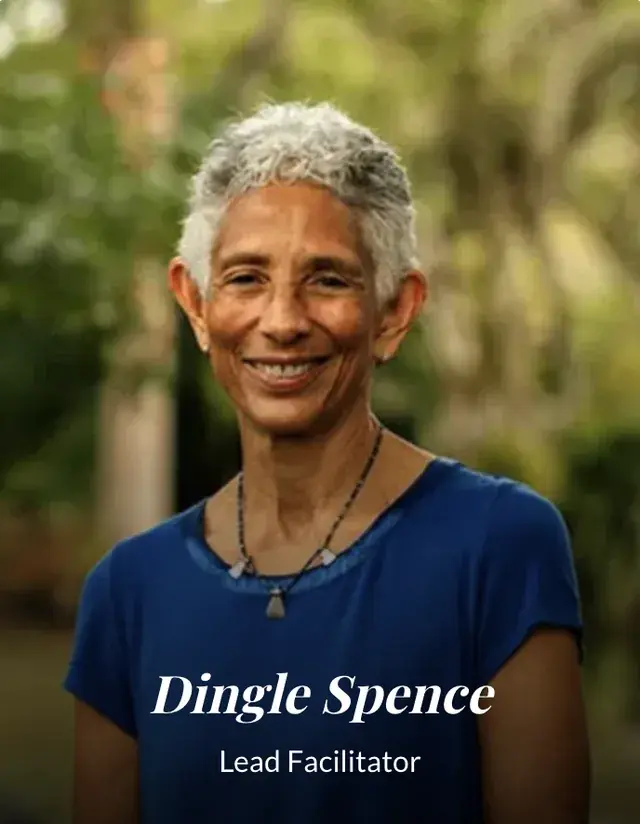
Dingle Spence
A facilitator on Beckley's retreats. She is a physician by training, with a background in oncology and palliative care.
Read full bio
Dr. Lauren MacDonald
A medical doctor and Honorary Clinical Research Fellow at Imperial College London's Centre for Psychedelic Research, who facilitates group retreats and leads experiential trainings.
Read full bio
Tommaso Barba
A PhD candidate at Imperial College London's Centre for Psychedelic Research, whose work uses neuroimaging to study the brain effects of short-acting psychedelics such as DMT and 5-MeO-DMT.
View profileInstitutional affiliations shown here are individual academic appointments and advisory relationships held by members of our team. They are not institutional partnerships with, or endorsements of, Beckley Retreats. Beckley facilitators who hold clinical qualifications do not act in a medical capacity during programs.
How this relates to the program
Research can help you ask better questions about a retreat. Explore how our program is structured, how we approach suitability and screening, and the differences between our destinations.
Curated Further Reading
Selected research
Here is a curated starting point rather than a full library. Filter by the six areas above, or scan the topic, institution, and study type on each entry.