Watch the moral injury replay
Watch on YouTube and open the available captions or transcript
About this conversation
Moral injury is the distress that can follow doing, witnessing or failing to prevent something that violates deeply held values, or being betrayed by people or institutions you trusted. In this conversation, Beckley Retreats co-founder and CEO Neil Markey, himself a veteran, talks with Marine Corps veteran Ryan Roberts, retired master sergeant Crystal Romero, and 25-year veteran and researcher Abi Dorhosti about what moral injury is and how it differs from PTSD.
Dr. Lynnette Averill was unable to join on the day, so Neil opens with her remarks on why moral injury is a wound of meaning, identity and belonging. Ryan and Crystal share their own experiences, and Abi describes her research on self-compassion and compassion toward others.
Throughout, the panel returns to community: the idea that meaning is rebuilt with other people, not alone. Crystal describes her Beckley Retreats program in Jamaica in November 2024, where she arrived as the only veteran in her group.
This conversation includes first-hand accounts of combat, institutional betrayal and suicidal thoughts. If you are in crisis, contact your local emergency services. In the US, call or text 988 (veterans, press 1).
Jump to a topic
- 02:09 | Introductions
- 05:14 | What moral injury is
- 07:17 | How moral injury differs from PTSD
- 10:55 | Ryan Roberts on values, meaning and identity
- 17:43 | Crystal Romero on institutional betrayal
- 24:03 | Abi Dorhosti on moral distress in a policy role
- 29:20 | Why community matters for moral injury
- 36:33 | Self-compassion and what the research suggests
- 42:48 | Belonging on a Beckley Retreats program
- 45:55 | Rebuilding meaning in community
- 49:06 | Audience questions
Explore the Beckley program
Get the 2026 program guide
The 2026 program guide covers pricing and what each phase of the program involves. We will email it to you.
Selected transcript excerpts
These short excerpts are lightly edited from the recording's captions. Watch the full replay for context.
Dr. Lynnette Averill's remarks, read by Neil Markey
With moral injury, the question isn't only "am I safe?" It's "who am I now, after what I've done, or what I've seen, or what's been done to me?"
Ryan Roberts on what values hold up
Values give rise to meaning. Meaning shapes purpose. Purpose informs identity. And identity enables authentic connection.
Abi Dorhosti on where the work happens
Psychedelics can play a powerful role in this process. They are not the pathway; they're a pathway. The work is in integration. The work is in embodiment. The work is in relationship.
Crystal Romero on belonging
For the first time, I didn't feel like I had to defend myself or prove anything or explain why I felt the way that I did. I just felt genuinely accepted.
Questions this replay answers
What is moral injury?
It is the distress that can arise when someone does, witnesses or fails to prevent something that violates their deeply held values, or is betrayed by individuals or institutions they trusted. The panel describes it as psychological, but also existential, relational and sometimes spiritual.
How is moral injury different from PTSD?
They can look alike and often occur together. PTSD is primarily fear-based, the nervous system learning that the world is dangerous. Moral injury is described here as a wound of meaning, identity and belonging, and the person may not be holding a distorted belief at all, which is why it often doesn't respond in the same way to standard treatments.
Why does community matter so much?
Ryan's view is that meaning is created with other people, so it has to be rebuilt with other people too. Crystal describes how a feeling of belonging, after years without it, was when things began to shift for her.
Can psychedelic experiences help with moral injury?
The panel sees them as one possible part of recovery rather than an answer on their own. Abi describes research suggesting they can loosen shame and open space for self-compassion, and stresses that the lasting work happens in integration and in relationships. Research in this area is still at an early stage, and Beckley Retreats programs are wellbeing programs, not clinical treatment.
Is there support for therapists working with moral injury?
Yes. Visit the Therapist Resource Hub.
Questions to reflect on
- Which of your values matter most to you, and where have they been tested?
- Who in your life can hear the hardest parts of your story?
- What would belonging look like for you now?
Related conversations
Psilocybin retreats for therapists: Q&A · Psychedelics and mortality anxiety · All webinars and replays
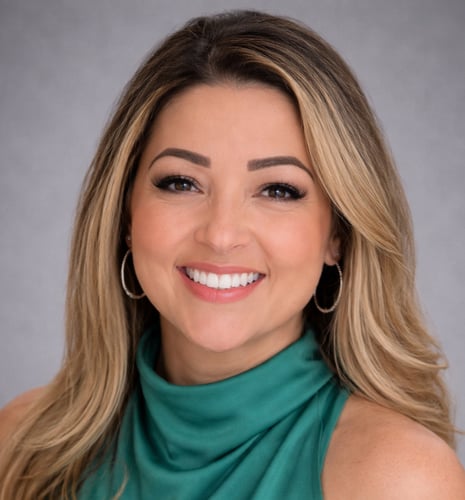
Meet the Speakers
Crystal Romero
Retired Master Sergeant, Veteran Advocate & Entrepreneur, Beckley Retreats Alum
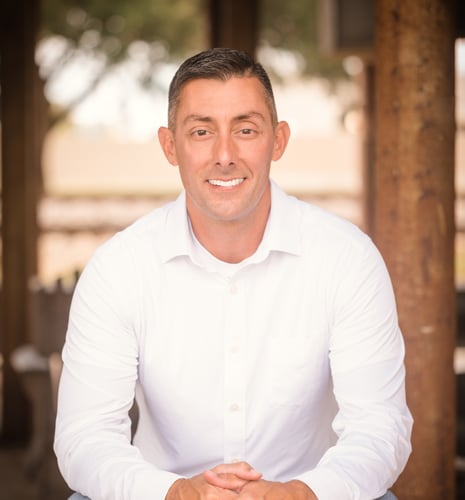
Ryan Roberts
Founder of The Journey Home, USMC Veteran, Former Healthcare Executive
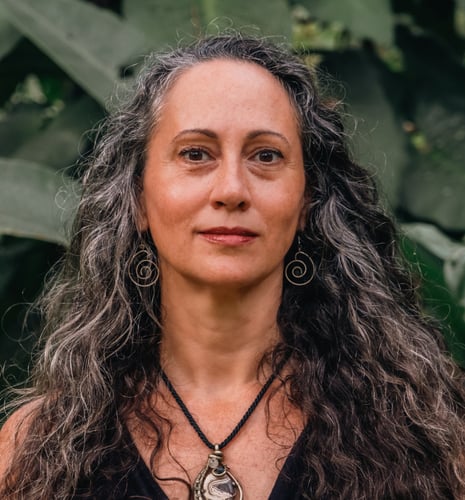
Abi Dorhosti
Veteran (25 yrs), Moral Injury and Trauma Researcher, Therapeutic Practitioner, Founder of Amistar Foundation
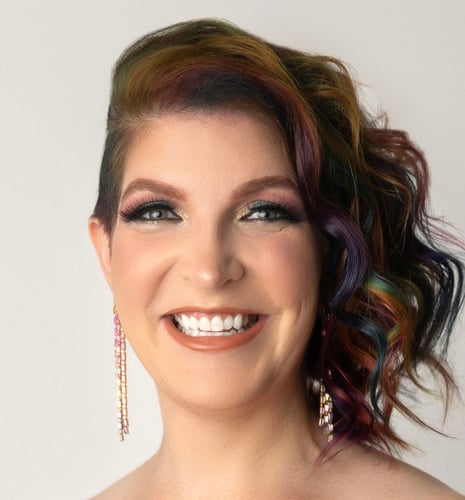
Lynnette Averill
Expert in the Psychoneurobiology of Chronic Stress Pathology; CSO, Reason for Hope

Beckley Retreats Was Featured In