Ketamine vs Psilocybin: Understanding Two Pathways to Mental Wellness
The symptoms of depression and anxiety can range from uncomfortable to debilitating, and while traditional treatments (like prescription medications and talk therapy) can help, some people are turning to ketamine and psilocybin, both of which represent two promising yet different pathways to healing.
While each compound works through distinct neurochemical mechanisms and produces dramatically different experiences, both demonstrate an ability to aid in the treatment of depression when administered in professional, supportive settings with appropriate medical oversight and therapeutic support. This is not a guide to using them, but an explanation of the differences between the two.
Disclaimer: This article is for educational purposes only and is not intended as medical or psychiatric advice, diagnosis, or treatment. Controlled substances should only be used under the guidance of qualified professionals in approved and legal settings. Always consult a licensed healthcare provider before making any medical or mental-health decisions. If you’re in crisis or experiencing thoughts of self-harm, seek immediate help from a trusted professional or contact emergency services.
What Are Ketamine and Psilocybin?
Ketamine originated as an anesthetic in the 1960s and remains a schedule III drug; it’s FDA-approved for surgical use today. Ketamine has unique dissociative properties that create a sense of detachment from the body and surroundings, a characteristic that researchers discovered could rapidly alleviate depressive symptoms. In 2019, the FDA approved esketamine (Spravato), a derivative of ketamine, for treatment-resistant depression. Ketamine is still illegal to possess and use in most U.S. states and countries recreationally. However, ketamine clinics do exist to help treat depression in countries like the United States, Canada, the United Kingdom, and others.
Psilocybin, on the other hand, is a naturally occurring compound found in certain mushrooms and has been used ceremonially for thousands of years. Unlike ketamine, psilocybin produces profound alterations in one’s perception, emotion, consciousness, and sense of self. While still classified as a Schedule I substance federally in the United States, psilocybin is advancing through rigorous clinical trials with genuinely impressive results and has, in the past, received the FDA’s Breakthrough Therapy designation for depression.
How Do They Work in the Brain?
Ketamine works by temporarily blocking certain “gates” in the brain called NMDA receptors, which normally help control the brain’s main “go” signal, glutamate. When these gates are blocked, it actually causes more glutamate to be released in some areas of the brain. That extra glutamate activates other receptors, called AMPA, which set off a chain reaction that helps the brain quickly grow and strengthen new connections between cells. These new connections are thought to help lift mood and relieve depression much faster than traditional antidepressants, often within hours or a few days.
Psilocybin works by turning on serotonin receptors in the brain that help control mood and thought patterns. When these receptors are activated, they temporarily quiet a brain network that’s usually stuck on repetitive, self-focused thinking, the kind that can lead someone to feeling depressed and anxious. This reset allows the brain to form new and healthier connections between nerve cells, a process called neuroplasticity. What’s especially unique is that this “brain-flexible” state can last for weeks after just one session, giving people more time to make lasting changes through therapy and self-reflection.
Comparing Clinical Applications and Outcomes
Both ketamine and psilocybin have been shown to be significantly effective for helping to treat depression. A meta-analysis from Nature found comparable effect sizes between ketamine and psilocybin for reducing depressive symptoms, suggesting both represent viable options for severe treatment-resistant depression.
However, there are some differences in how quickly those effects take place and how long they last. Ketamine can produce relief within hours, making it a suitable choice for folks dealing with acute symptoms (like suicidal or harmful thoughts) or are finding it difficult to function day-to-day. In simpler words, it can be a rapid intervention. The effects typically last one to two weeks, requiring repeated sessions to maintain and sustain benefits over time.
In contrast, psilocybin shows sustained antidepressant effects lasting weeks to months after just one or two guided sessions. The acute effects occur during the four-to-six-hour session, but the therapeutic benefits unfold over weeks and months as the brain integrates the experience and consolidates new neural patterns. Many individuals report continued improvement in mood, perspective, and resilience weeks after a single session, with benefits that continue to emerge over extended timeframes.
How Often Do You Take Ketamine and Psilocybin?
Protocols vary, but for ketamine, most people will have six sessions in three to four weeks, followed by periodic maintenance sessions (often monthly or as-needed) to ensure that patients benefit from consistent professional oversight and monitoring. Compared to psilocybin, ketamine treatment can cost you more time and money.
Psilocybin programs typically involve one or two ceremonial sessions, accompanied by extensive preparation and integration (i.e., post-ceremony) support before and after the experience. Many individuals experience sustained benefits from this more limited treatment schedule, though some may benefit from periodic booster sessions or maintenance support over the years.
What Taking Ketamine and Psilocybin is Like
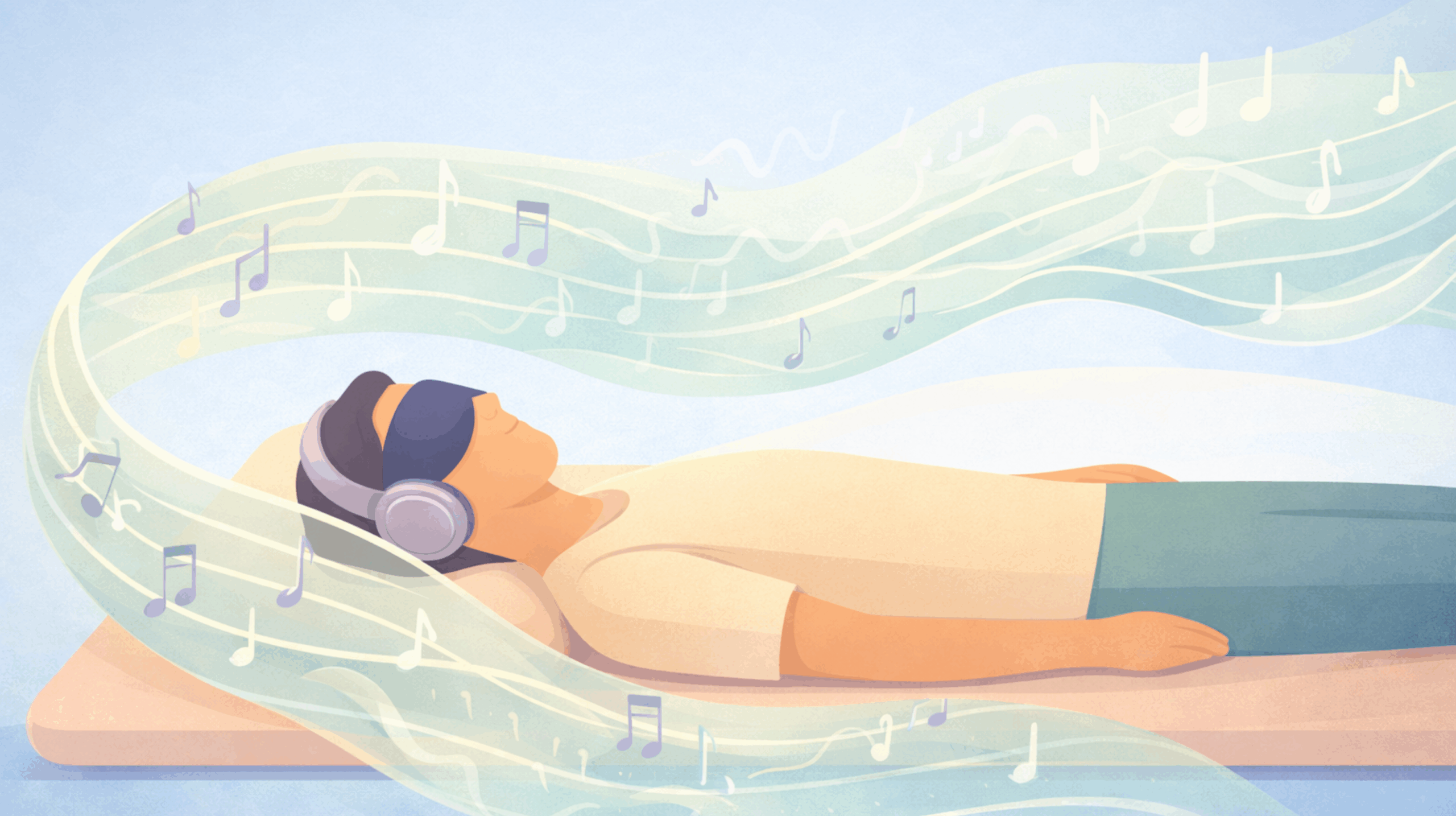
A ketamine session typically lasts 40 to 90 minutes. Most people receive it through an IV while sitting or lying comfortably, though it can also be taken as an injection, nasal spray, or pill. The effects begin quickly, almost right away with an IV, and may include dreamlike visuals, a distorted sense of time, or the feeling of floating or being slightly detached from one’s body. Unlike some other psychedelic experiences, ketamine sessions are usually calm and not emotionally overwhelming. They take place in a medical setting, with professionals closely monitoring and supporting the participant throughout.
A psilocybin session usually lasts four to six hours, kicking into high gear after about an hour, and often feels deeply emotional, visual, and spiritual. People describe a sense of unity with the world, deep insight, or moments that feel beyond words or ordinary understanding. These experiences can be closely tied to long-term improvements in mood and well-being. Because the session lasts several hours, there’s time for reflection and emotional release. People may revisit painful memories, see their problems from new angles, or feel lasting changes in how they view themselves and life. Trained guides stay present the entire time, offering gentle support while letting the experience unfold naturally.
Safety, Contraindications, and Risk Profiles
Psilocybin’s Safety Profile
Understanding psilocybin’s safety profile is essential when comparing these compounds. Psilocybin demonstrates minimal physical toxicity and very low addiction potential, with no documented cases of fatal overdose from psilocybin alone in humans. The physical risks are primarily related to behavior during the experience (such as accidents) rather than the compound itself.
Psychological screening remains critical, however. Contraindications include personal or family history of psychosis, active psychotic disorders, untreated bipolar disorder, and certain cardiovascular conditions. For carefully screened individuals in appropriate settings with professional support, psilocybin demonstrates an excellent safety profile.
Ketamine’s Risk Profile
Similarly, ketamine is, at least according to one publication, considered mostly safe, with potential side effects including dissociation, vertigo, blurred vision, diarrhea, nausea, dizziness, and drowsiness. Typically, these effects are generally mild and self-limiting, resolving within hours of administration. One of the more significant concerns about ketamine use is its potential to be addictive. Long-term chronic abuse carries additional risks, including bladder complications and cognitive effects, though these shouldn’t be a risk with therapeutic doses and supervision.
Frequently Asked Questions
Can ketamine and psilocybin be combined?
While both affect different parts of the brain, combining them isn’t standard practice and offers no proven benefit. Most clinical programs use one at a time to ensure safety and clearly understand each compound’s effects.
Which works better for treatment-resistant depression?
Both can be effective, but people respond differently. Ketamine often provides faster relief, while psilocybin tends to create longer-lasting changes with fewer sessions. The best option depends on your goals, timeline, and medical background.
Are the effects permanent?
No. Both substances open a “window” for healing by boosting brain flexibility, but lasting results depend on therapy, integration work, and healthy lifestyle changes. Taking either of these psychEdelic compounds is that start of the process.
How do I know which is right for me?
It depends on your symptoms, preferred experience, time commitment, medical history, and therapeutic goals. A qualified clinician familiar with both treatments can help match you to the safest and most suitable option.
Is one safer than the other?
Both are safe when professionally supervised. Psilocybin has very low physical risk and little potential for addiction. Ketamine requires more medical monitoring and can briefly raise heart rate or blood pressure. In either case, safety depends on proper screening and professional care.
References
- de Quevedo, J. L. (2025, January 22). FDA Expands Approval of Intranasal Esketamine Therapy (Spravato). McGovern Medical School at UTHealth Houston. https://med.uth.edu/psychiatry/2025/01/22/fda-expands-approval-of-intranasal-esketamine-therapy-spravato/
- D’Souza, J. D. C., van der Pol, A. D., Groeneveld, G. J., van de Ketterij, M., van de Loo, E. M. J., Dahan, A., & Niesters, M. (2024). Meta-correlation of the effect of ketamine and psilocybin induced subjective effects on therapeutic outcome. Communications Medicine, 4(1), 91. https://doi.org/10.1038/s44184-024-00091-w
- Drewko, A. J., Habets, R. L. P., & Brunt, T. M. (2025). Above the threshold, beyond the trip: the role of the 5-HT2A receptor in psychedelic-induced neuroplasticity and antidepressant effects. Molecular Psychiatry. Advance online publication. https://doi.org/10.1038/s41380-025-03169-9
- Lullau, A. P. M., Haga, E. M. W., Ronold, E. H., & Dwyer, G. E. (2023). Antidepressant mechanisms of ketamine: a review of actions with relevance to treatment-resistance and neuroprogression. Frontiers in Neuroscience, 17. https://doi.org/10.3389/fnins.2023.1223145
- Marchi, M., Magarini, F. M., Galli, G., Mordenti, F., Travascio, A., Uberti, D., De Micheli, E., Pingani, L., Ferrari, S., & Galeazzi, G. M. (2022). The effect of ketamine on cognition, anxiety, and social functioning in adults with psychiatric disorders: A systematic review and meta-analysis. Frontiers in Neuroscience, 16. https://doi.org/10.3389/fnins.2022.1011103
- Milak, M. S., Rashid, R., Dong, Z., Keilp, J. G., Grunebaum, M. F., Ogden, R. T., Lin, O., Mulhern, B., Suckow, R. F., Cooper, T. B., Mao, X., Shungu, D. C., & Mann, J. J. (2020). Assessment of Relationship of Ketamine Dose With Magnetic Resonance Spectroscopy of Glx and GABA Responses in Adults With Major Depression: A Randomized Clinical Trial. JAMA Network Open, 3(8), e2013211. https://doi.org/10.1001/jamanetworkopen.2020.13211
- National Institute on Drug Abuse. (n.d.). Ketamine. Retrieved November 14, 2025, from https://nida.nih.gov/research-topics/ketamine
- Psiuk, D., Nowak, E. M., Dycha, N., Łopuszańska, U., Kurzepa, J., & Samardakiewicz, M. (2022). Esketamine and Psilocybin—The Comparison of Two Mind-Altering Agents in Depression Treatment: Systematic Review. International Journal of Molecular Sciences, 23(19), 11450. https://doi.org/10.3390/ijms231911450
- Zanos, P., & Gould, T. D. (2018). Mechanisms of Ketamine Action as an Antidepressant. Molecular Psychiatry, 23(4), 801–811. https://doi.org/10.1038/mp.2017.255
- Ziff, S., Stern, B., Lewis, G., Majeed, M., & Gorantla, V. R. (2022). Analysis of Psilocybin-Assisted Therapy in Medicine: A Narrative Review. Cureus, 14(2), e21944. https://doi.org/10.7759/cureus.21944