
-2-1.png)

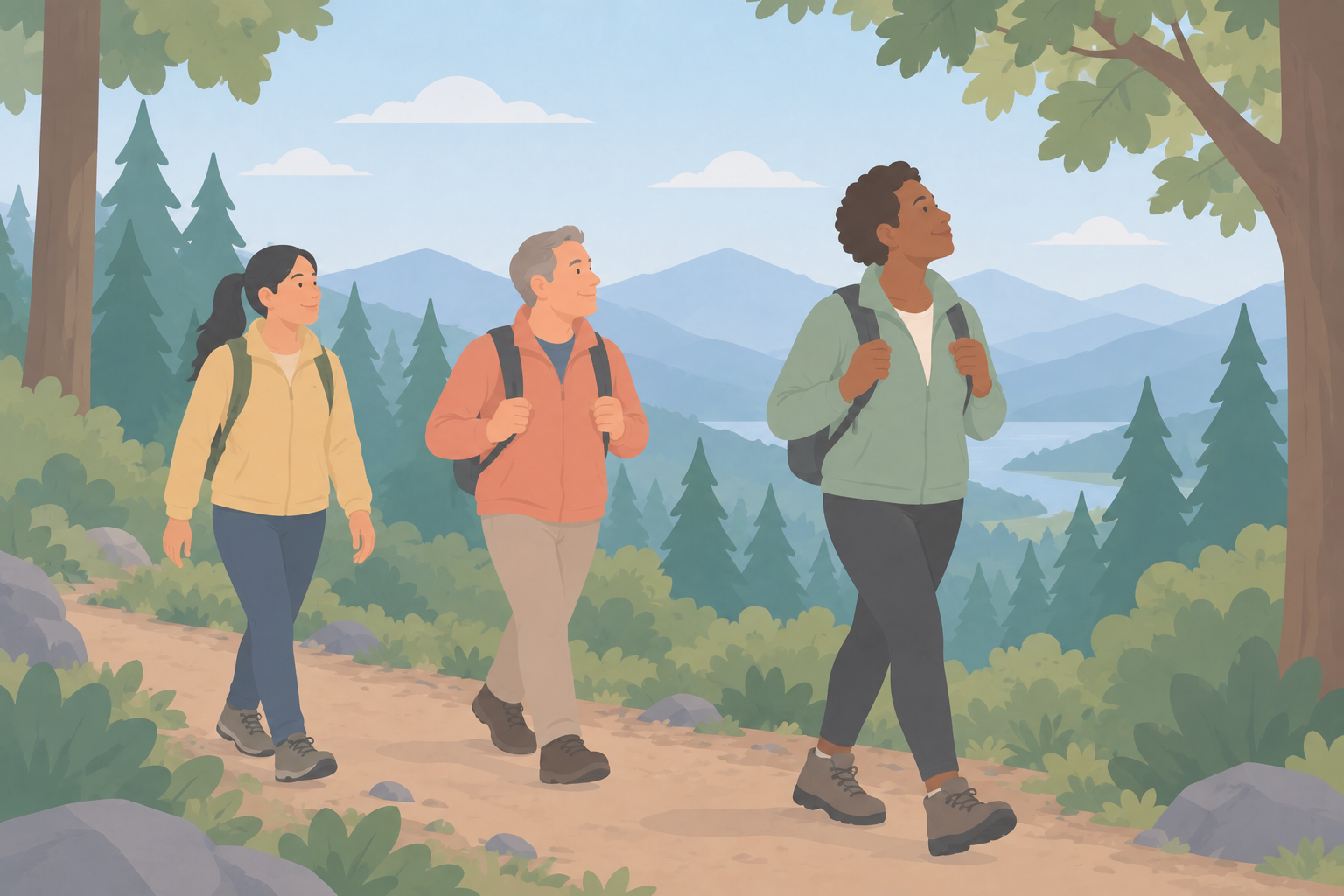
Someone, somewhere, is on a hike right now, having the time of their lives. They might even be on drugs. Psychedelics like psilocybin, MDMA, or adjacent substances like ketamine aren’t new, but these mind-alterers are enjoying a renaissance of clinical interest - and, alongside it all, an uptick in recreational utility.
Take “hikrodosing,” a combination of “hike” and “microdose.” This growing trend describes adding small amounts of psychedelics like magic mushrooms or ketamine to standard wellness activities.

Is this trend taking over hiking trails worldwide? Not necessarily, but it does serve as a launching pad to help us better understand the potential synergy between mind-altering substances and the healing potential of the natural world. Here’s what you need to know if you’re thinking about mixing the two.
What People Mean by “Hikrodosing”
Depending on your personal algorithm, it might look like psychedelic-assisted leisure is all the rage. In reality, social media quickly assigns labels to anything that shows a hint of momentum. “Hikrodosing” describes taking a sub-hallucinogenic amount of a psychedelic drug while on a nature hike. Microdosing shrooms is fairly common. So are nature hikes. Intertwining the two? Not as much.
What does have a broad base of support is the idea of there being some level of interaction between psychedelics and nature-based activity. Certain cities, like Santa Cruz, California, have become hubs for psychedelic use after decriminalization.
Hikrodosing: The Clinical Picture
A 2021 feature in Outside magazine describes the experience of Natalia Del Campo, who turned to ketamine hiking in the Oregon forests after suffering several catastrophic blows - losing her job, falling into depression, and managing PTSD.
Psychedelics are under the scientific microscope as alternative treatments for those exact conditions, but self-administered treatment isn’t advised.

Ketamine is typically administered in clinical settings for treatment-resistant depression. Esketamine, sold under the brand name Spravato, is FDA-approved as a rapid-onset remedy when other methods fail or require weeks to months of dosing before an effect is felt in the patient.
Unlike ketamine, psilocybin is not FDA-approved to treat any mental health condition. But it’s not far behind; psilocybin has received “Breakthrough Therapy” status, leading to states like Colorado and Oregon enabling supervised usage in specific settings.
So, if psychedelics are making real headway in clinical environments, what’s the allure behind hikrodosing?
The Synergy Between Psychedelics & Nature
The mental benefits of immersion in nature are old news. Longstanding meta analyses, which look at the existing body of scientific literature on a given topic, confirm the idea that people who feel more connected to nature feel healthier on average.
Psychedelics may amplify this effect if taken in sub-hallucinogenic doses. Reporting from hikrodosers describe a heightened sense of presence and more blissful experiences derived from time in nature.
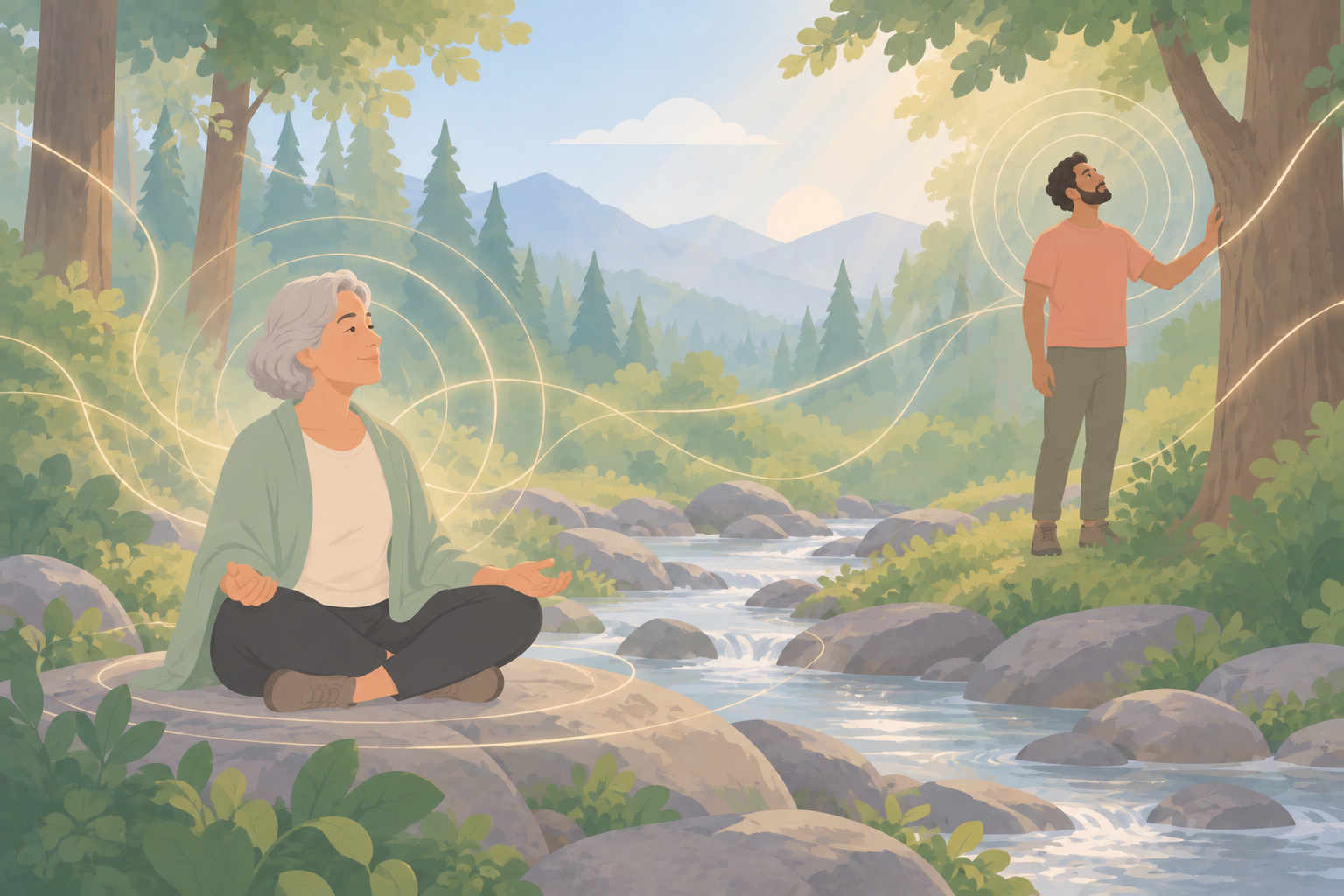
Which matters more? It’s hard to say, but evidence points toward the drug of choice having an impact; psilocybin appears far more likely to enhance nature-relatedness than ketamine. The dose is relevant, too.
Time in nature is a common aspect of psychedelic integration, the post-ingestion period where users coalesce real change out of the “raw mental material” excavated by the drug. As of now, it doesn’t look like hikrodosing is integrative in the same way.
Safety Risks of Hiking on Psychedelics
The premise of a microdosed psychedelic is that taking a small amount helps the user operate below the threshold of a real trip; think hovering, not flying. One of the most prevalent, practical issues with hikrodosing is calibrating that dosage.
Overdo it and you may find yourself stranded and tripping on the side of a mountain and in need of emergency services. Psychedelics blur the line between real and imagined. In a confined, controlled space like a doctor’s office, that’s manageable. But out in nature, the risk profile can easily tilt against you.
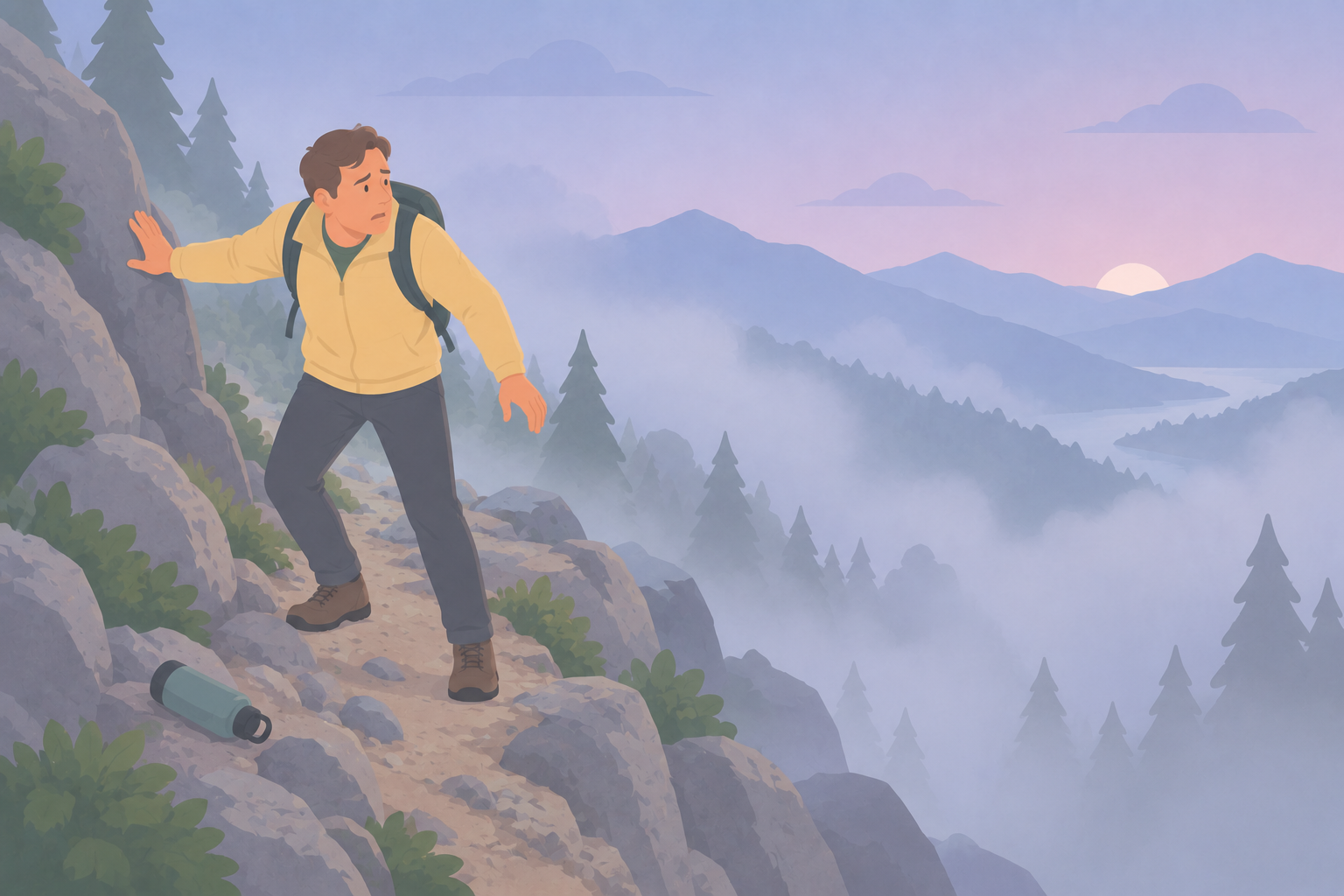
Hiking is also moderate to vigorous physical activity. Is it safe to exercise on psychedelics? Technically, yes, but you should be aware of overlapping physical effects such as elevated blood pressure, dehydration, or dangerously elevated core temperature.
Certain psychedelics come with the possibility of causing acute panic, too. Spiraling without supervision or readily available assistance deep in nature can be catastrophic, even if you’re in a group.
“Hikrodosing” Safely: What Responsible Outdoor Use Looks Like
Unsupervised drug use carries risk. Psychedelics (and adjacent substances like ketamine) can be particularly harmful if consumed without a plan in place. As such, users who want to partake for spiritual and medical reasons alike are turning to organized retreats.
Well-run psychedelic retreats have protocols in place to manage the risks of psychedelics while maximizing their beneficial properties. Many retreat itineraries incorporate time in nature, particularly in the hours and days after consumption.

Researchers back the synergy, though they acknowledge that more work is needed into the phenomenon as a whole. What’s obvious at this point? Fluorescent lights and lab coats aren’t pre-requisites to benefitting from mind-altering substances like ketamine.
You just need a bit of structure and a willingness to “be the forest.”
Frequently Asked Questions
Before you apply
Beckley runs legal, guided psilocybin retreats in Jamaica and psilocybin retreats in the Netherlands: four weeks of preparation, two guided sessions on retreat, six weeks of integration, online and at your own pace, one to two hours a week. Plain answers to the questions people ask first:
What a psilocybin retreat costs · What happens, day by day · Jamaica or the Netherlands · Who should not attend · Apply