
-2-1.png)


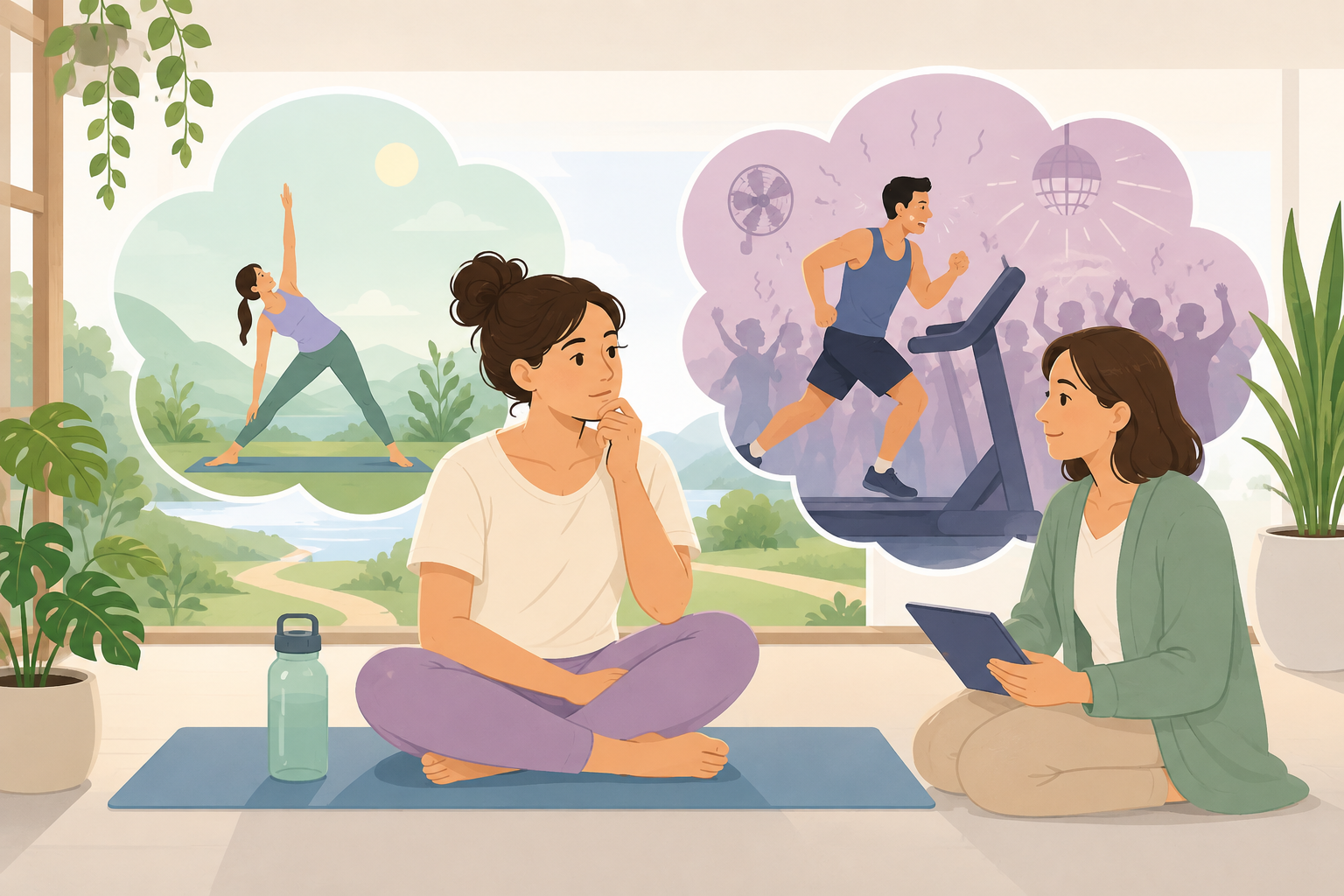
The ways people use psychedelics are changing. New clinical applications are cropping up - people take ketamine up the nose in Spravato clinics, or travel to psychedelic retreats for intensive, multi-pronged programs to combat depression and PTSD.
Recreational use of certain psychedelics is on the rise as well, particularly among young adults. People take ketamine or microdose LSD to enhance their experiences. These trends raise one important question: Is it safe to exercise on psychedelics?

The answer matters, since exercise goes far beyond hitting the gym. From dancing to sex, anything that gets your heart pumping can have consequential interactions with psychedelic drugs. Here’s what you need to know.
Why Some People Combine Psychedelics and Exercise
Few classes of drugs offer the kind of personalized experiences provided by psychedelics. Caffeine hits everyone the same way - mental alertness, jitters, jolts of energy. Drugs like psilocybin have an array of common physical “symptoms,” sure, but their mind-altering effects are highly individualized and idiosyncratic.
As such, people sometimes turn to psychedelics to enhance physical activity. Specifically, enhancing one’s connection with the action itself. Small doses of psychedelics can facilitate deeper levels of focus in areas where bodily attunement is crucial, like yoga or sex, or help long stretches of time pass blissfully, like on hikes or distance runs.
How Psychedelics Affect the Brain and Body
Psychedelics often facilitate “out-of-body” experiences. Some drugs temporarily weaken or sever the connection between body and mind. Under the hood, psychedelics interact with receptors in your brain, altering your perception of time, space, and reality itself.
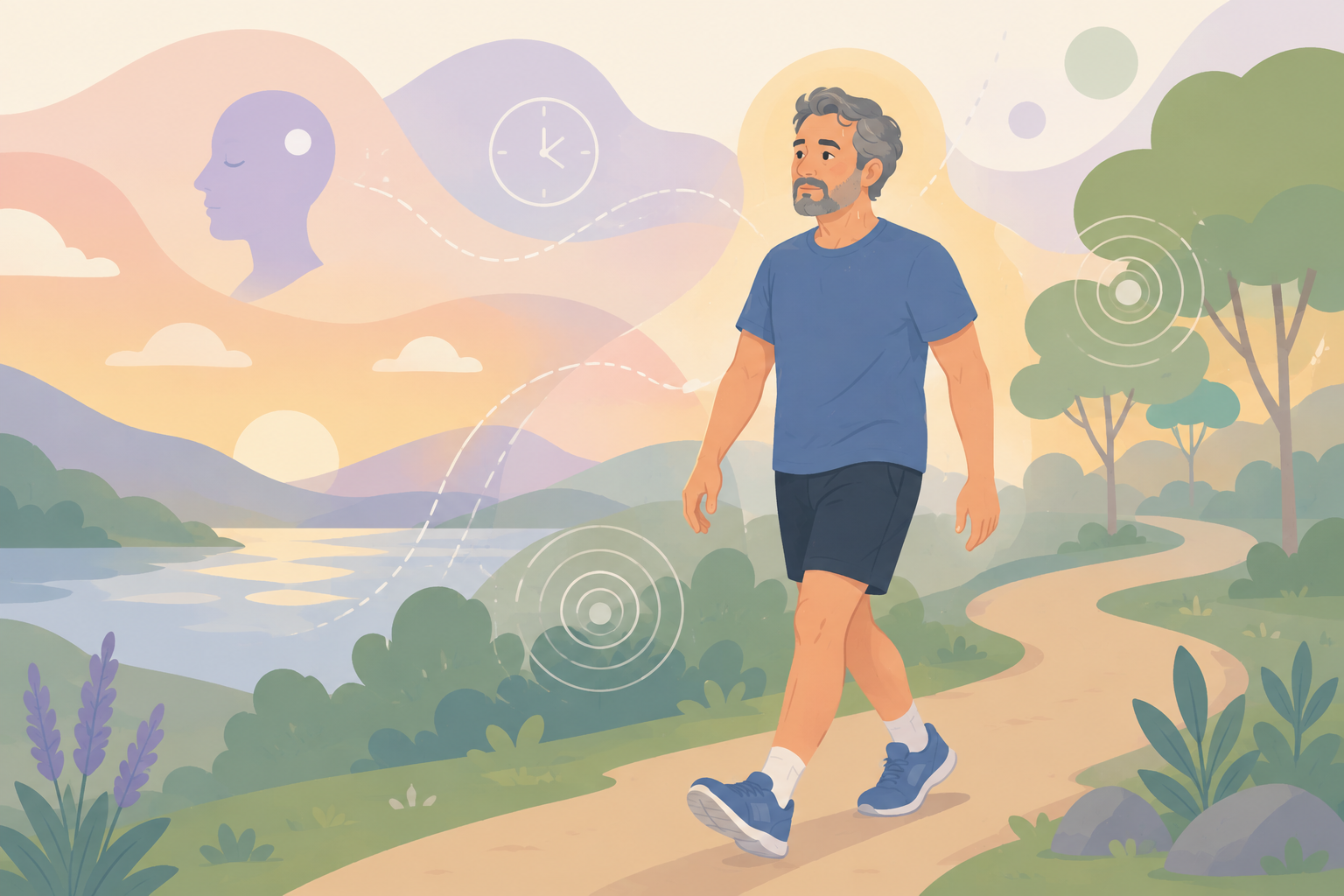
Psychedelics and exercise have a common biological thread, too. Both activate your sympathetic nervous system, which raises core temperature, opens airways, and helps get your body into “fight or flight” mode. Research tells us LSD increases blood pressure, heart rate, and core temperature - all reactions shared with a bout of exercise.
In real-world terms? Long walks become novel experiences; dancing veers into euphoria; sex becomes deep and tantric. But you can have too much of a good thing, especially when considering the overlapping physical effects of psychedelic drugs.
Risks of Exercising on Psychedelics
The body state-altering properties of psychedelics are exactly what can make them potentially hazardous when mixed with physical activity, since you may end up “doubling down” on certain physiological responses.
That said, there’s plenty of nuance here, and it depends on what you take.
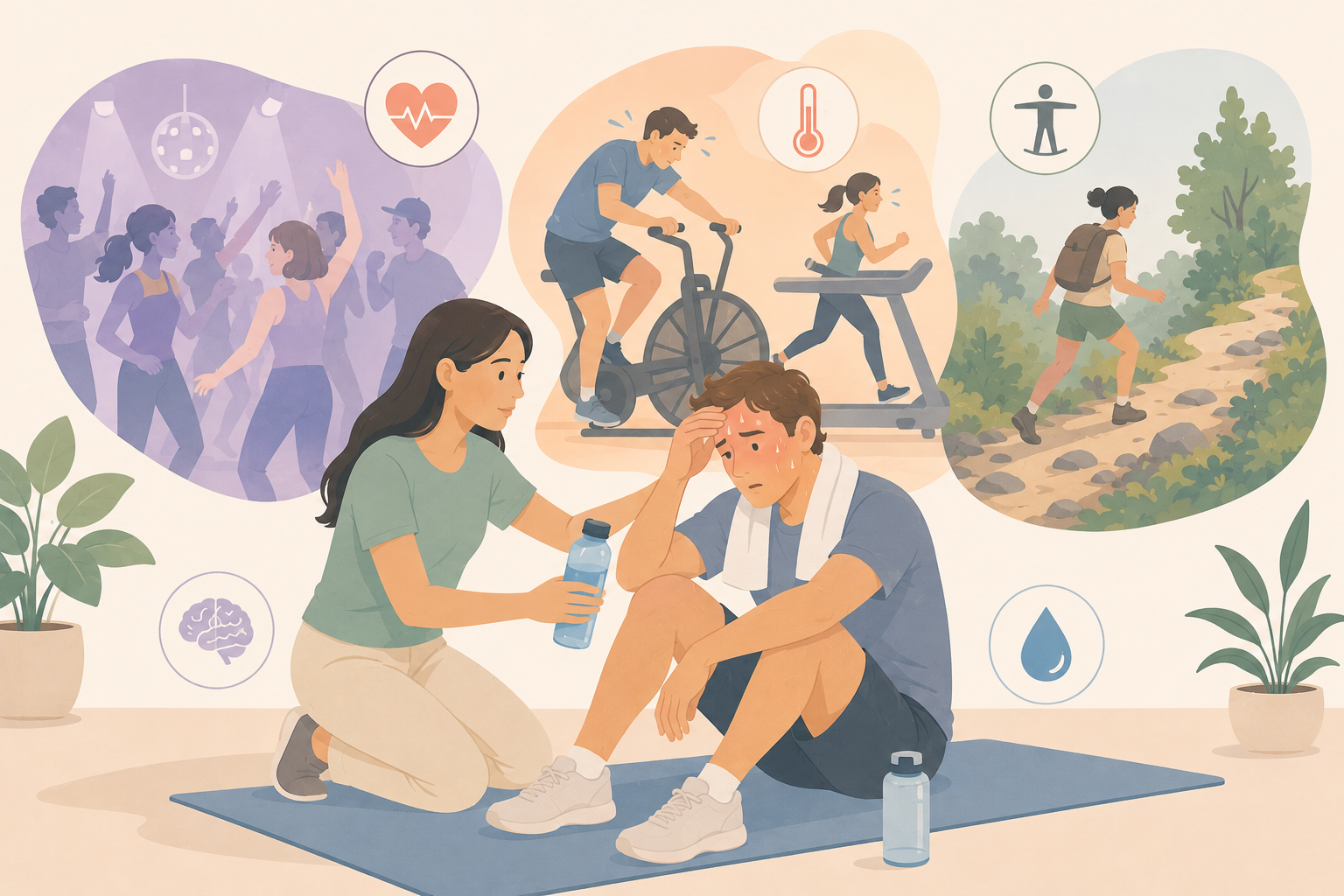
- Psilocybin has well-documented effects on blood pressure in some users. Exercise does the same thing and correlates tightly with intensity. Stacking too many cardiovascular risk factors at once puts you in dangerous territory.
- Ketamine was studied by researchers who compiled testimonies from Reddit. They found that users consistently reported increased endurance and reduced pain perception, but also had adverse effects on heart rate and dehydration.
- MDMA has been shown to induce hyperthermia, or excessive body temperature. This can be a serious risk factor for certain physical activities, such as hot yoga, crowded dance halls, vigorous sexual activity, and so on.
Beyond physical symptoms, most psychedelic drugs induce some level of spatial disorientation. You lose command of your proprioceptive reflexes; that is, awareness of your body in physical space. This increases your odds of sustaining physical injury.

Some drugs also carry a risk of acute anxiety episodes or panic. If you’re exercising alone, spiraling with no supervision can be catastrophic. In a group setting, you may be a danger to both yourself and others.
Worth noting: Serious psychological adverse events on psychedelics are rare. When controlled for dosage and taken under qualified supervision, most users may partake and indulge in some level of physical activity just fine.
Why Controlled Settings Matter
Let’s highlight a crucial distinction on safety: reliable data supporting psychedelic harm reduction is gathered from trials in controlled settings with measured dosages. Remove those guardrails, and things become unpredictable, fast.
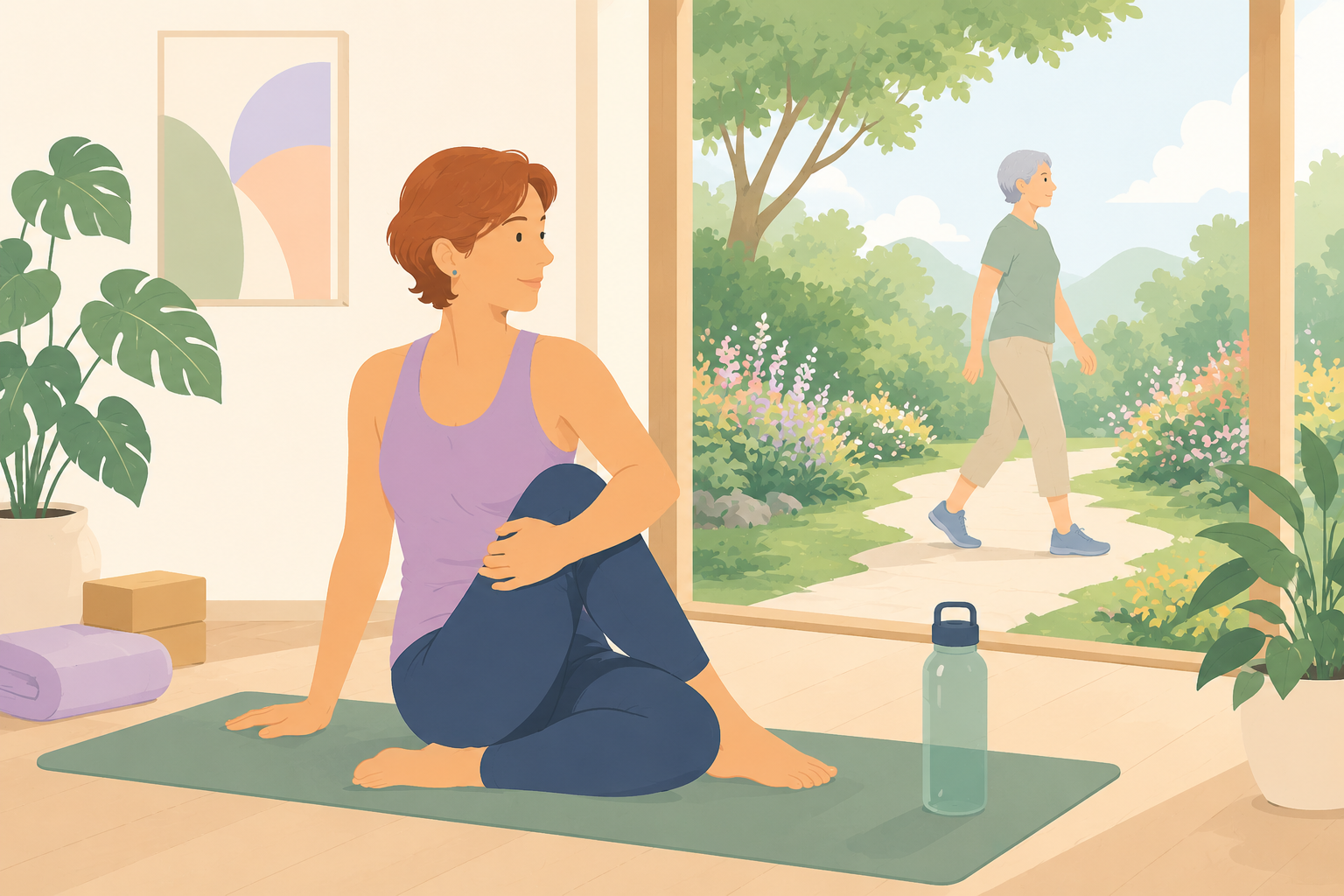
Still, physical activity is a hallmark feature of psychedelic integration. Integration is a series of principles and procedures used in clinical and retreat settings alike to help users make sense of their experiences with the drug.
Reflective techniques like therapy or journaling are the core, but many programs also incorporate meditation, breathwork, somatic activity, or light exercise, such as yoga. These exercises are simply “dosed” at an appropriate level, just like the drugs themselves.
What Safer Movement Practices Might Look Like
There are rewards to moving your body while on psychedelics, but if you’re going to indulge in physical activity (either on your own or with a partner), take it easy.
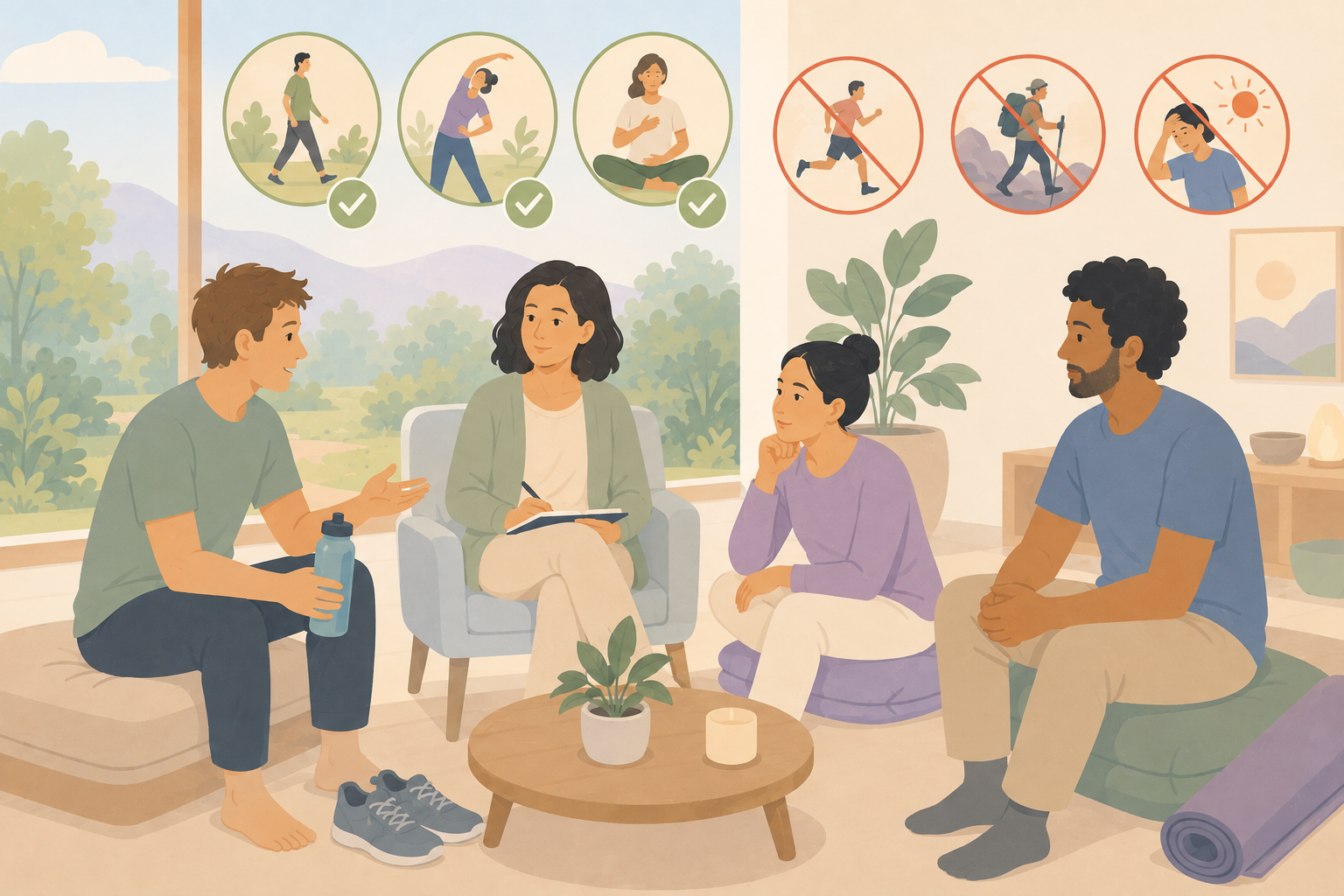
- Walk on flat ground in a familiar area rather than hike through dense wilderness or run at a brisk pace.
- Perform gradual stretching or yoga rather than an intense calisthenics routine.
- Pace yourself and don’t get carried away if you’re indulging in any sort of activity with a partner.
Otherwise, the same best practices for exercise apply whether you’re sober or tripping: hydrate, avoid overheating if you can, and don’t try anything crazy. Speaking of sobriety, the latest research on exercise and psychedelics indicates that the drugs may naturally encourage more physical activity. People are more inclined to get up and get moving if they’re not bogged down by poor mental health, after all.
That said, psychedelics can elevate certain aspects of physical activity you’re familiar with. They aren’t pre-workout supplements.
Frequently Asked Questions
Sources
- Vollenweider, F.X., Preller, K.H. Psychedelic drugs: neurobiology and potential for treatment of psychiatric disorders. Nat Rev Neurosci 21, 611–624 (2020).
- Marongiu S, van Eijk M, Gresnigt FMJ, Croes EA, Franssen EJF. Rising incidence of recreational ketamine use: Clinical cases and management in emergency settings. Toxicol Rep. 2025 Feb 1;14:101940. doi: 10.1016/j.toxrep.2025.101940. PMID: 39996040; PMCID: PMC11848490.
- Schmid Y, Enzler F, Gasser P, Grouzmann E, Preller KH, Vollenweider FX, Brenneisen R, Müller F, Borgwardt S, Liechti ME. Acute Effects of Lysergic Acid Diethylamide in Healthy Subjects. Biol Psychiatry. 2015 Oct 15;78(8):544-53. doi: 10.1016/j.biopsych.2014.11.015. Epub 2014 Nov 29. PMID: 25575620.
- Sandeep M. Nayak, Nathan D. Sepeda, Matthew Nielsen Dick, Praachi Tiwari, Zarmeen Zahid, Ceyda Sayalı, Brandon M. Weiss, David B. Yaden, Albert Garcia-Romeu, Brian S. Barnett, Frederick S. Barrett
- Liechti ME. Effects of MDMA on body temperature in humans. Temperature (Austin). 2014 Oct 31;1(3):192-200. doi: 10.4161/23328940.2014.955433. PMID: 27626046; PMCID: PMC5008716.
- Harari R, Chatterjee I, Getselter D, Elliott E. Psilocybin induces acute anxiety and changes in amygdalar phosphopeptides independently from the 5-HT2A receptor. iScience. 2024 Apr 9;27(5):109686. doi: 10.1016/j.isci.2024.109686. PMID: 38660396; PMCID: PMC11039401.
- Schlag AK, Aday J, Salam I, Neill JC, Nutt DJ. Adverse effects of psychedelics: From anecdotes and misinformation to systematic science. J Psychopharmacol. 2022 Mar;36(3):258-272. doi: 10.1177/02698811211069100. Epub 2022 Feb 2. PMID: 35107059; PMCID: PMC8905125.
- Bathje GJ, Majeski E, Kudowor M. Psychedelic integration: An analysis of the concept and its practice. Front Psychol. 2022 Aug 4;13:824077. doi: 10.3389/fpsyg.2022.824077. PMID: 35992410; PMCID: PMC9386447.
- Fabiano N, Stubbs B, Lawrence DW, Rosenblat JD, Teixeira PJ, Wong S, Zhou C, Carhart-Harris R. The combination of exercise and psychedelics for the treatment of major depressive disorder. Discov Ment Health. 2026 Mar 7;6(1):37. doi: 10.1007/s44192-026-00408-5. PMID: 41793582; PMCID: PMC12967759.
Before you apply
Beckley runs legal, guided psilocybin retreats in Jamaica and psilocybin retreats in the Netherlands: four weeks of preparation, two guided sessions on retreat, six weeks of integration, online and at your own pace, one to two hours a week. Plain answers to the questions people ask first:
What a psilocybin retreat costs · What happens, day by day · Jamaica or the Netherlands · Who should not attend · Apply