
-2-1.png)

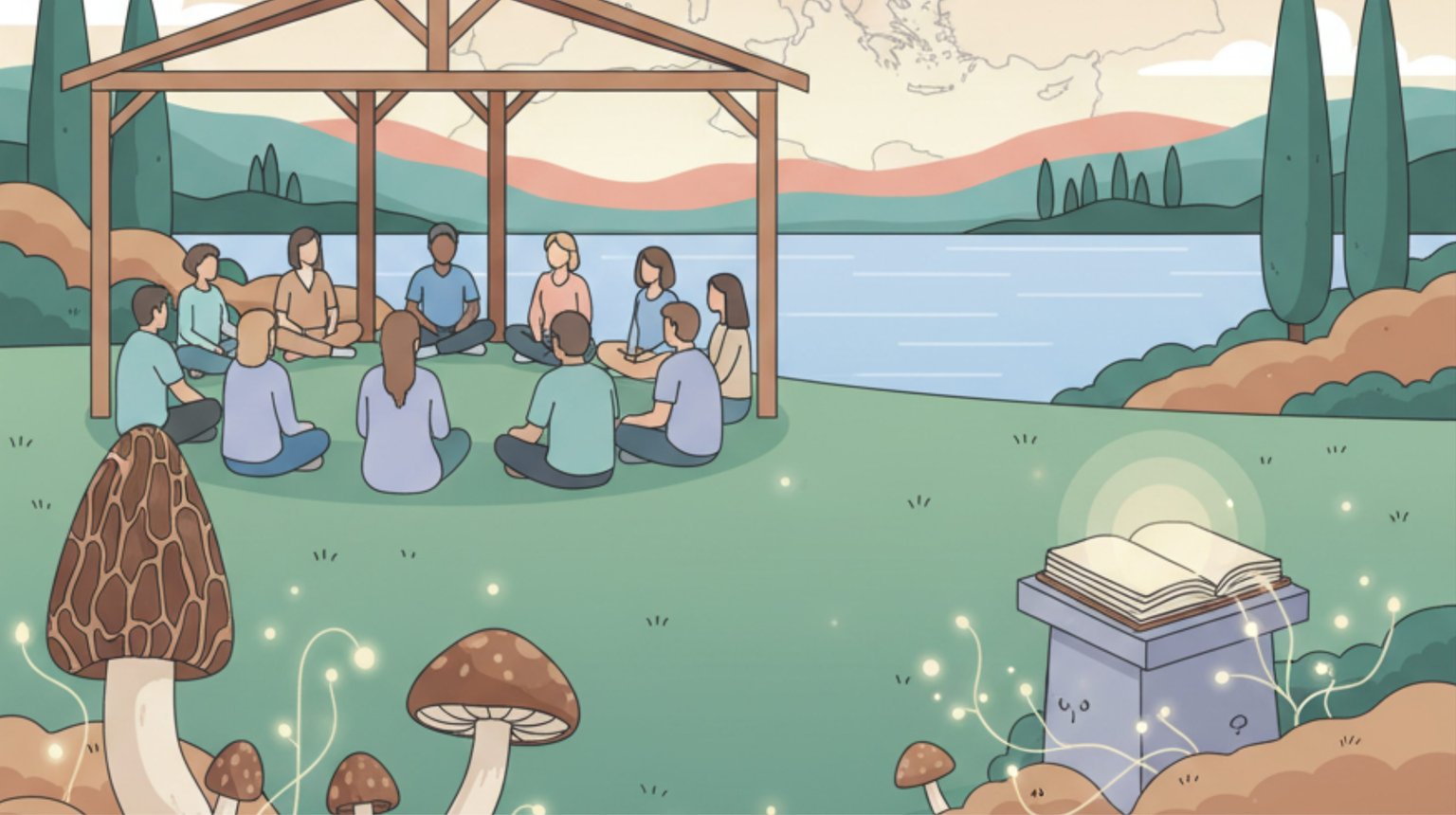
Choosing a psychedelic retreat in Europe starts with understanding the specific program, the substance involved and the support available before and after your stay. A location alone cannot tell you whether a retreat is suitable for you.
This guide focuses on psilocybin truffle retreats in the Netherlands and the questions to ask when comparing European programs. It separates the legal status of a substance from the quality of a provider, and personal development from clinical care.
Editorial update: October 4, 2026. Sources and planning information were updated for this guide. This is general information, not individual medical or legal advice.
What Is a Psychedelic Retreat?
A psychedelic retreat is a residential program that includes facilitated psychedelic experiences alongside activities such as reflection, group discussion and wellbeing practices. Programs differ in their length, screening, staffing, preparation and follow-up. Ask what is actually included rather than assuming every retreat follows the same model.
Beckley Retreats offers a wellbeing program with preparation before the retreat and integration afterward. It is not a clinical trial or a substitute for mental health care. Research conducted in a clinical setting does not establish the outcomes of a commercial retreat.
Understanding the Legal Context in Europe
Psilocybin truffles in the Netherlands
The Netherlands distinguishes psilocybin mushrooms from truffles, also called sclerotia. The Trimbos Institute's DRUGSinfo resource explains that psilocybin mushrooms are listed under the Opium Act, while psilocybin truffles are not listed and can be sold legally in Dutch smartshops. This distinction concerns the form of the substance. It is not a blanket statement that all psychedelics or all services are legal.
Our Netherlands retreat page explains Beckley's locations and program options. Before booking any provider, ask which substance and preparation are used, the basis on which the program operates, and what terms apply to guests.
Decriminalization is different from legalization
As the European Union Drugs Agency's explanation of legal terminology makes clear, removing criminal penalties for certain conduct does not make that conduct lawful. Rules about personal possession do not automatically authorize commercial supply or a retreat business.
Do not assume a retreat in Portugal, Spain, Czechia or another European country is lawful because a website describes the country as decriminalized or uses the phrase "legal gray area." The relevant country, substance, activity and current rules all matter. Ask for a specific explanation and seek qualified local legal advice if the position is unclear.

Comparing Different Retreat Formats
For a psilocybin truffle retreat, compare the complete program: preparation, the residential stay, facilitated sessions, time for rest and the support available afterward. A shorter stay does not necessarily mean less preparation or follow-up.
Programs advertised around other substances, including ayahuasca or MDMA, need their own legal and suitability assessment. The Dutch rules for truffles should not be applied to another substance. Clinical services also have different purposes, staffing and regulatory requirements from a wellbeing retreat.
If a psychedelic experience is not a fit, a retreat centered on meditation, reflection or gentle wellbeing practices may be another way to create space for yourself. Check the activities and suitability requirements of the specific program.
How to Choose a Retreat
Ask who will support you
- Training and experience: Request facilitator biographies, the relevant training they have completed and their experience supporting groups. Personal experience alone is not a professional qualification.
- Staffing: Ask how many guests and facilitators will be present, who is available overnight and how individual support is handled. A ratio alone does not describe the quality of care.
- Boundaries and consent: Ask for written policies on touch, privacy, confidentiality and raising a concern.
- Emergencies: Ask what happens if someone needs urgent assistance, who makes that decision and how outside help is accessed.
Understand screening before committing
A thoughtful application process should explain how suitability is assessed, what information is needed, who reviews it and when participation may be declined. Read Beckley's suitability and screening information before applying. Individual questions about your health or prescriptions belong with qualified professionals involved in your care.
Look beyond the retreat dates
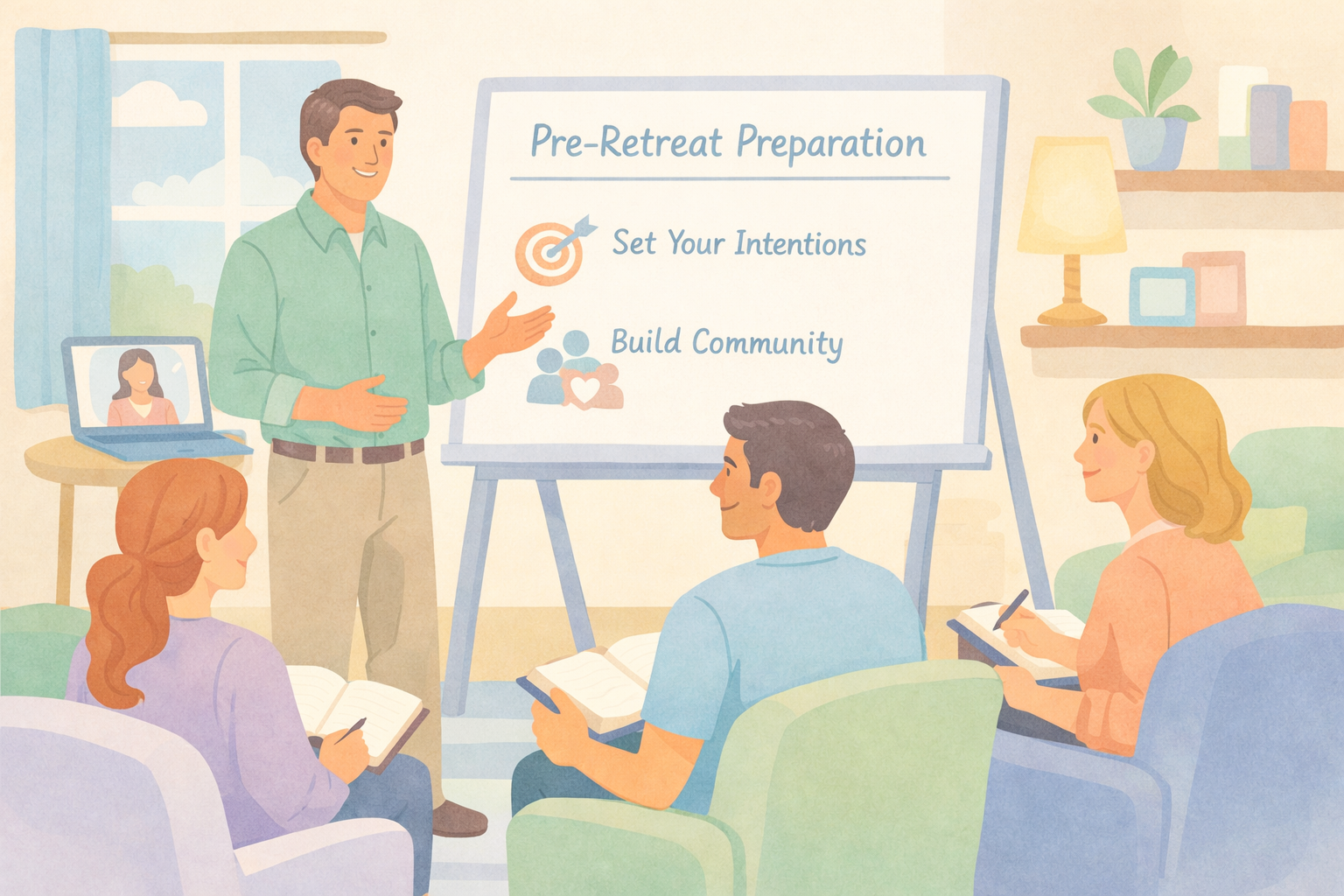
Ask for a clear schedule of preparation and integration sessions, who leads them, whether they are individual or group sessions, and what happens if you need additional support. Integration means making sense of an experience and considering how it relates to everyday life. A 2022 review by Bathje, Majeski and Kudowor describes a broad range of integration approaches, rather than a single standard method or guaranteed result.
Compare costs and policies in writing
Review accommodation, meals, transfers, preparation, integration and any additional charges. Ask about cancellation terms and what happens if screening finds the program is not a fit. Beckley's cost and inclusions guide is a starting point for comparing the full commitment.
Be cautious about guaranteed outcomes, pressure to pay quickly, unclear legal explanations, undisclosed facilitator backgrounds or reluctance to explain screening and emergency procedures. Neither a high price nor a polished website establishes quality.
Frequently Asked Questions
Are psychedelic retreats legal in Europe?
There is no single Europe-wide answer. The Netherlands permits the sale of psilocybin truffles, while psilocybin mushrooms are prohibited. Elsewhere, personal-possession rules do not necessarily authorize a commercial retreat. Verify the specific substance and activity in the destination before booking.
What happens during a psilocybin truffle retreat?
The schedule depends on the provider. Beckley's Netherlands retreats offer four-night and five-night formats within a longer program of preparation and integration. See what happens on a retreat for the structure, practices and time for reflection.
Can a retreat guarantee a safe or transformative experience?
No provider can guarantee an outcome or eliminate all risk. Screening, trained support, clear boundaries and emergency planning are important questions to investigate. Your individual circumstances matter, and choosing not to attend is a valid decision.
How is a wellbeing retreat different from clinical care?
A wellbeing retreat is designed around personal development and reflective practices. Clinical care addresses health needs within a healthcare setting. Beckley's program is not a substitute for that care, and clinical study findings should not be presented as promises about retreat outcomes.
Considering a retreat in Europe?
Our Netherlands retreats offer four-night and five-night formats, with preparation before you travel and integration after you return. Start with the venue, dates, and full cost, then consider whether the program is a fit for you.
When comparing retreats, ask how suitability is assessed, who facilitates the sessions, what is included in the price, and what support continues once you are home.
Explore the full program · Review costs and inclusions · Understand suitability and screening
What happens, day by day · Jamaica or the Netherlands · View retreat dates · Apply
Sources
- Trimbos Institute, DRUGSinfo: information on psilocybin mushrooms and truffles, including the Dutch legal distinction.
- European Monitoring Centre for Drugs and Drug Addiction, now EUDA: Cannabis legislation in Europe (2017), definitions of decriminalization and legalization. Used here for terminology, not as a current country-by-country retreat guide.
- Bathje, G. J., Majeski, E., and Kudowor, M. (2022). Psychedelic integration: An analysis of the concept and its practice. Frontiers in Psychology, 13, 824077.