-2-1.png)


Psychedelics are having a moment. LSD, ketamine, and especially psilocybin are receiving deserved clinical attention as more than a recreational escape. Psilocybin is under the microscope for its potential to fight treatment-resistant depression, PTSD, and even some types of addiction.
With psilocybin, everything is contextual. Your current medications, family medical history, and your mindset can affect the drug’s efficacy and safety alike. This puts psilocybin out of reach for certain prospective users. Here’s what you need to know about who should not take psilocybin.
Why Psilocybin Isn’t for Everyone
Psilocybin can produce profound changes in mood, mindset, and perspective. For some, this neurological rewiring leads to significant breakthroughs. However, survey data tell us that up to 39% of psychedelic voyagers suffer "challenging" experiences while tripping.
While that’s a sizable minority, it’s worth noting that within that same population, 84% endorsed psilocybin as beneficial, despite the challenges, and therefore, it's worth looking deeper into what makes psilocybin so challenging for some users.
Mental Health Conditions That May Increase Risk
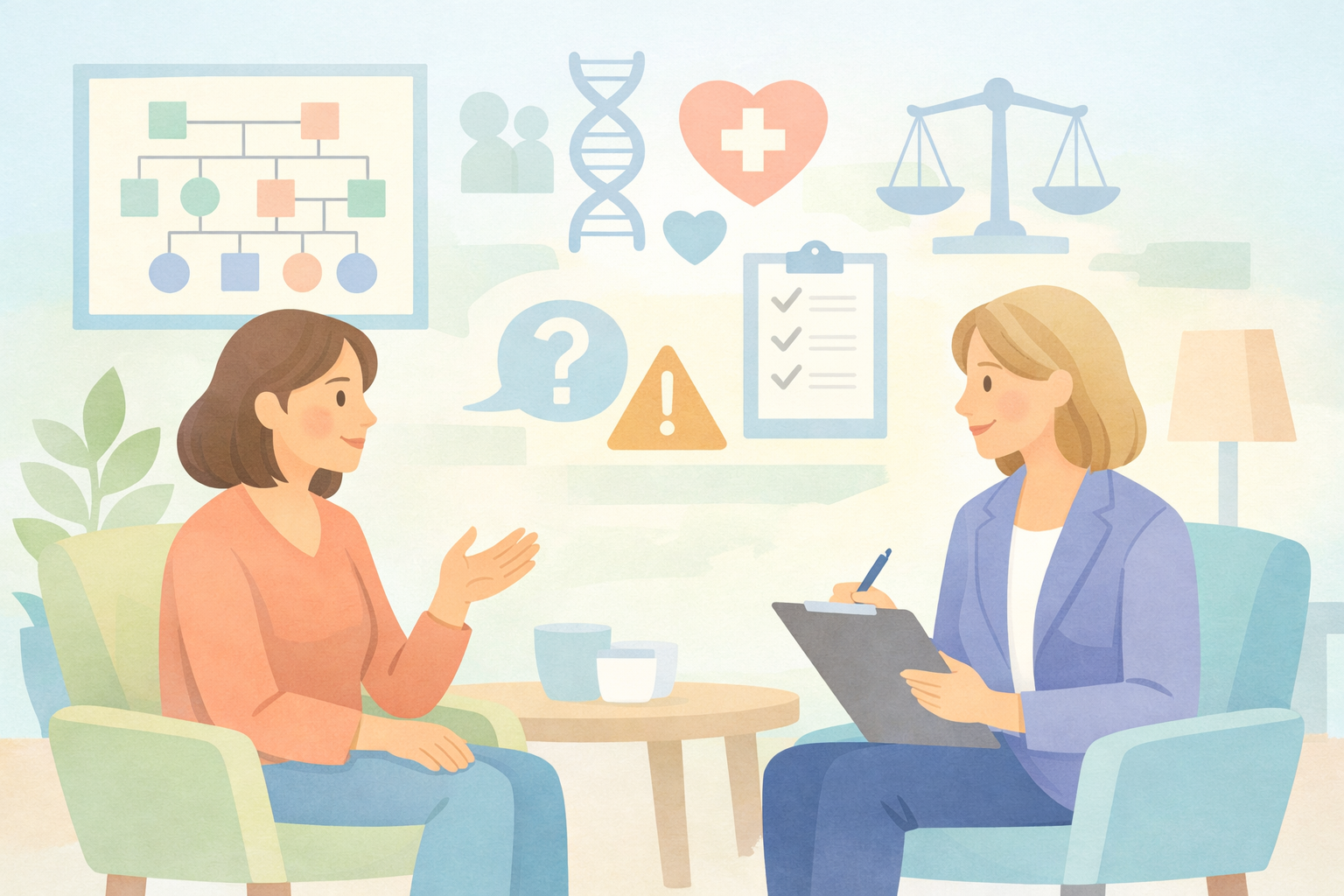
Psilocybin works by binding to specific serotonergic receptors in your brain. This is often why users with pre-existing psychiatric conditions are prohibited from participating in psilocybin studies.
Having an existing mental illness doesn’t necessarily disqualify you from trying psychedelics; some of their clinical applicability is based on tackling mental illnesses. Certain conditions, though, warrant serious caution.
Psychosis
Anyone with a personal or family history of psychosis may want to avoid trying psilocybin. Studies have shown that psilocybin may destabilize individuals with psychotic tendencies or who have a history of the disease in their family.
Bypassing a medical screen and taking psilocybin if you have psychosis can worsen symptoms and potentially lead to acute seizures, convulsions, or an uptick in suicidal ideation.
Bipolar Disorder
Clinicians believe psilocybin may awaken dormant bipolar or mania if ingested without proper medical screening. More research is needed, but there’s a climate of wariness around adding psychedelics into the mix if you have a family history of bipolar disorder.
Anxiety
Anxiety is much more common than the conditions above, and can present in different ways. The “personalized” nature of anxiety has led to sufferers seeking out psychedelics to calm their nerves. Typically, this works fine; psilocybin for anxiety has some clinical basis among seniors approaching the end of their lives, or for those suffering from a fatal disease.
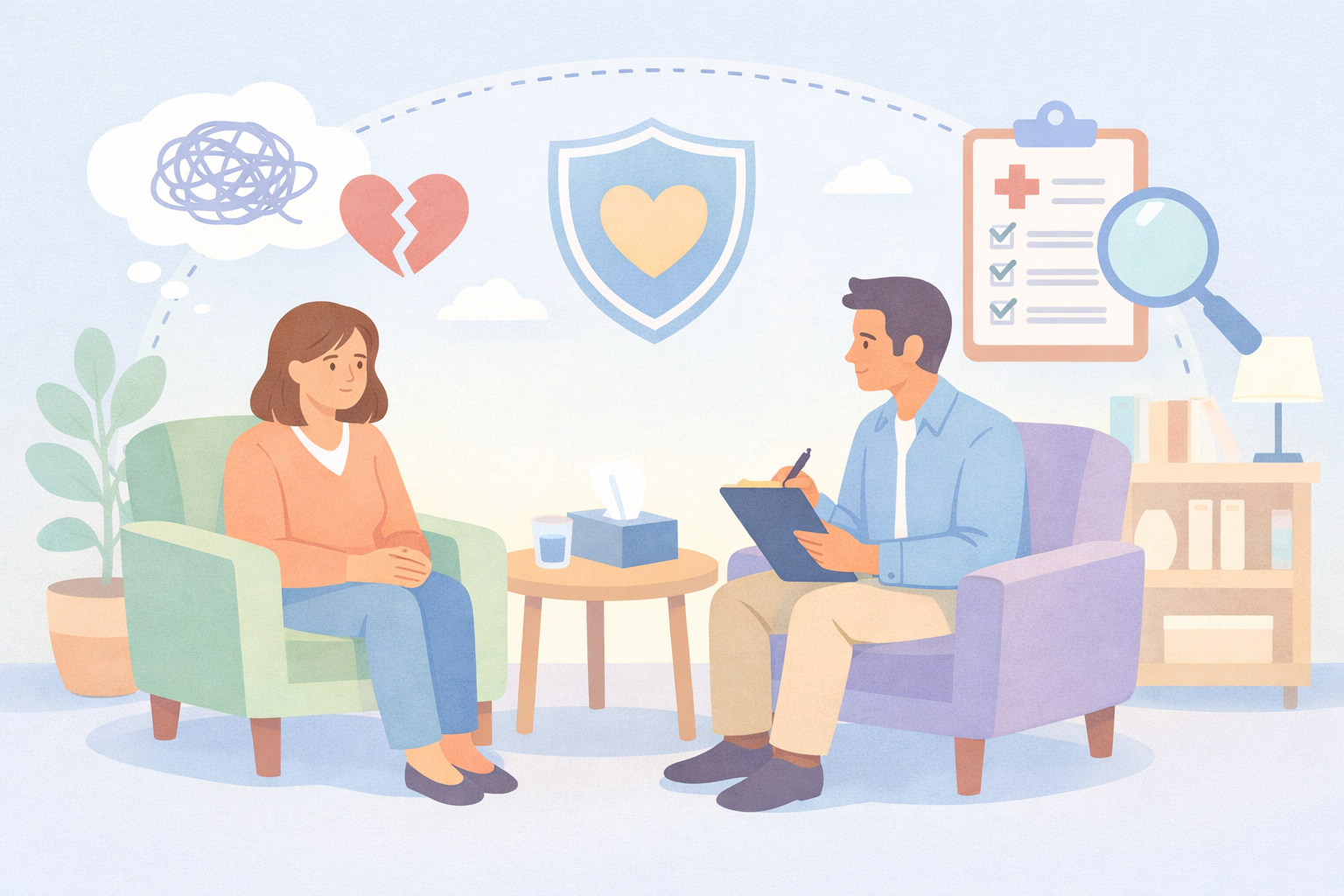
But in some situations - such as failing to adhere to proper set & setting protocols - psilocybin can dramatically worsen one’s anxiety.
Neuroticism
Neuroticism isn’t a mental illness; it’s a personality trait, and one that may intensify the challenging experiences that can come with taking psilocybin.
Large-scale survey data points to those with neuroticism - a tendency to feel emotions like anxiety, fear, or doubt more readily - being associated with more intense negative psychedelic experiences.
Medication Interactions to Be Aware Of
Many users seek out psilocybin, whether recreationally or as part of psychedelic-assisted therapy (PAT). In either case, mushrooms may be consumed as adjunct therapy, or an intervention added to an existing plan, such as taking prescription drugs or going through intensive therapy.
- Research out of Johns Hopkins Medicine indicates that SSRIs (Selective Serotonin Reuptake Inhibitors) may dampen the impact of psilocybin, even months after getting off the prescription.
- Taking psilocybin while on an MAOI (monoamine oxidase inhibitor) may be a risk factor for severe cardiac events, according to some case reports.
A 2023 systematic review on drug interactions involving classical psychedelics and pharmaceuticals - including but not limited to SSRIs and MAOIs - remarked that “no serious adverse drug events” were found when looking at existing case reports. The authors called for further investigation, but their findings are promising.
Psilocybin Health Considerations
Psilocybin also has physiological impacts. It can elevate blood pressure and ramp up heart rate. And, at higher doses, there’s limited, but noteworthy, evidence linking psilocybin to dangerous heart problems.
Massachusetts General Hospital mentions that psilocybin has been weakly linked to QT prolongation, ventricular dysfunction, and even cardiac arrest. However, other studies cast doubt on some of these relationships.
Situational & Environmental Risks to Consider
It’s also worth noting some practical risks of taking psilocybin. Beyond legality, you may put yourself at further risk of harm if you consume psychedelics in an environment that hasn’t been properly curated, or without the supervision of a sitter or facilitator.
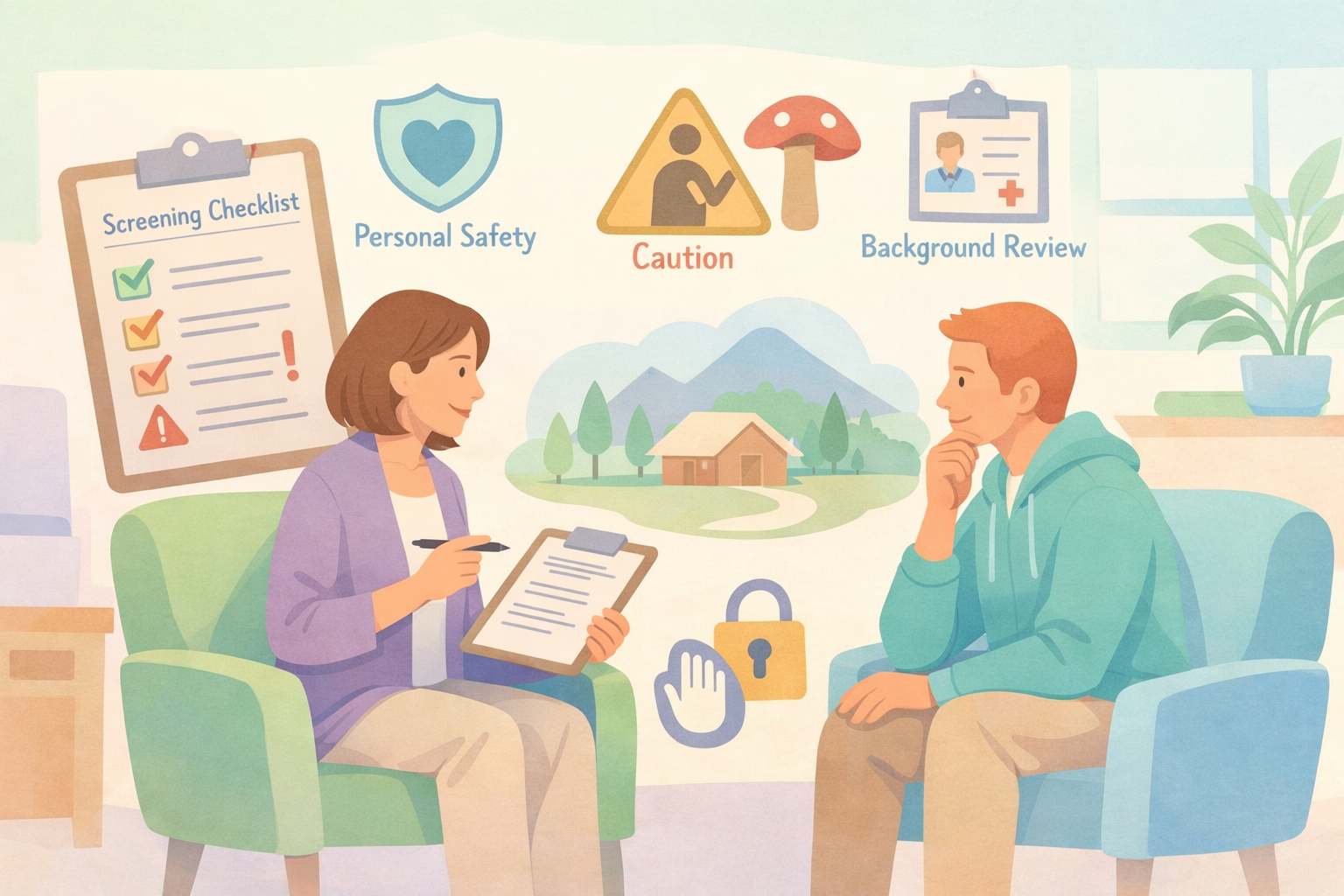
Clinical settings and psychedelic retreats take great pains to ensure that psilocybin users are safe and supervised. To achieve this, they tackle the problem from multiple angles:
- Patients and guests receive thorough pre-consumption medical screenings.
- Qualified staff are present before and during ingestion of psilocybin.
- Ingestion takes place in serene, low-stimulus environments.
- Afterward, facilitators gently help you properly integrate the changes.
Psilocybin Safety: The Big Picture
All drugs have risks - emerging treatments even more so. While there is a broad and growing body of evidence backing psilocybin’s safety, there are still more questions than answers.

Fortunately, most psychedelic voyagers can significantly reduce their risk of harm by relying on clinical staff or retreat facilitators, as well as general harm reduction principles like calibrating dosage carefully and not tripping alone.
All that said, psilocybin isn’t for everyone. If you have a history of disqualifying mental illnesses or are taking medication that interacts negatively with psilocybin, you may have to explore other options.
Frequently Asked Questions
Sources
- Goodwin GM, Aaronson ST, Alvarez O, Arden PC, Baker A, Bennett JC, Bird C, Blom RE, Brennan C, Brusch D, Burke L, Campbell-Coker K, Carhart-Harris R, Cattell J, Daniel A, DeBattista C, Dunlop BW, Eisen K, Feifel D, Forbes M, Haumann HM, Hellerstein DJ, Hoppe AI, Husain MI, Jelen LA, Kamphuis J, Kawasaki J, Kelly JR, Key RE, Kishon R, Knatz Peck S, Knight G, Koolen MHB, Lean M, Licht RW, Maples-Keller JL, Mars J, Marwood L, McElhiney MC, Miller TL, Mirow A, Mistry S, Mletzko-Crowe T, Modlin LN, Nielsen RE, Nielson EM, Offerhaus SR, O'Keane V, Páleníček T, Printz D, Rademaker MC, van Reemst A, Reinholdt F, Repantis D, Rucker J, Rudow S, Ruffell S, Rush AJ, Schoevers RA, Seynaeve M, Shao S, Soares JC, Somers M, Stansfield SC, Sterling D, Strockis A, Tsai J, Visser L, Wahba M, Williams S, Young AH, Ywema P, Zisook S, Malievskaia E. Single-Dose Psilocybin for a Treatment-Resistant Episode of Major Depression. N Engl J Med. 2022 Nov 3;387(18):1637-1648. doi: 10.1056/NEJMoa2206443. PMID: 36322843.
- Khan AJ, Bradley E, O'Donovan A, Woolley J. Psilocybin for Trauma-Related Disorders. Curr Top Behav Neurosci. 2022;56:319-332. doi: 10.1007/7854_2022_366. PMID: 35711024.
- van der Meer PB, Fuentes JJ, Kaptein AA, Schoones JW, de Waal MM, Goudriaan AE, Kramers K, Schellekens A, Somers M, Bossong MG, Batalla A. Therapeutic effect of psilocybin in addiction: A systematic review. Front Psychiatry. 2023 Feb 9;14:1134454. doi: 10.3389/fpsyt.2023.1134454. PMID: 36846225; PMCID: PMC9947277.
- Carbonaro TM, Bradstreet MP, Barrett FS, et al. Survey study of challenging experiences after ingesting psilocybin mushrooms: Acute and enduring positive and negative consequences. Journal of Psychopharmacology. 2016;30(12):1268-1278.
- Freidel N, Kreuder L, Rabinovitch BS, Chen FY, Huang RST, Lewis EC. Psychedelics, epilepsy, and seizures: a review. Front Pharmacol. 2024 Jan 12;14:1326815. doi: 10.3389/fphar.2023.1326815. PMID: 38283836; PMCID: PMC10811552.
- Hosein M, Reid M, Walser S et al. Considerations and cautions for the integration of psilocybin into routine clinical care: a consensus statement from the US National Network of Depression Centers' Task Group on Psychedelics and Related Compounds. eClinicalMedicine, 2025; 89
- Grob CS, Danforth AL, Chopra GS, Hagerty M, McKay CR, Halberstadt AL, Greer GR. Pilot study of psilocybin treatment for anxiety in patients with advanced-stage cancer. Arch Gen Psychiatry. 2011 Jan;68(1):71-8. doi: 10.1001/archgenpsychiatry.2010.116. Epub 2010 Sep 6. PMID: 20819978.
- Frederick S. Barrett, Matthew W. Johnson, & Roland R. Griffiths. (2017). Neuroticism is associated with challenging experiences with psilocybin mushrooms. Personality and Individual Differences, 117, 155–160.
- Gukasyan, N., Griffiths, R. R., Yaden, D. B., Antoine, D. G., & Nayak, S. M. (2023). Attenuation of psilocybin mushroom effects during and after SSRI/SNRI antidepressant use. Journal of Psychopharmacology, 37(7), 707–716.
- Barnett, B. S., Koons, C. J., Van den Eynde, V., Gillman, P. K., & Bodkin, J. A. (2025). Hypertensive Emergency Secondary to Combining Psilocybin Mushrooms, Extended Release Dextroamphetamine-Amphetamine, and Tranylcypromine. Journal of Psychoactive Drugs, 57(3), 297–303.
- Halman A, Kong G, Sarris J, Perkins D. Drug–drug interactions involving classic psychedelics: A systematic review. Journal of Psychopharmacology. 2024;38(1):3-18.
- Hackl B, Todt H, Kubista H, Hilber K, Koenig X. Psilocybin Therapy of Psychiatric Disorders Is Not Hampered by hERG Potassium Channel-Mediated Cardiotoxicity. Int J Neuropsychopharmacol. 2022 Apr 19;25(4):280-282. doi: 10.1093/ijnp/pyab085. PMID: 34871422; PMCID: PMC9017764.
- Olofsson M, Osika W, Goldberg SB, Hendricks PS, Petrovic P, White T, Stenfors CUD, Chaturvedi S, Simonsson O. Difficulties following naturalistic psychedelic use and associations with adverse childhood experiences. Int J Drug Policy. 2026 Feb;148:105105. doi: 10.1016/j.drugpo.2025.105105. Epub 2025 Dec 13. PMID: 41389560; PMCID: PMC12758006.
Before you apply
Beckley runs legal, guided psilocybin retreats in Jamaica and psilocybin retreats in the Netherlands: four weeks of preparation, two guided sessions on retreat, six weeks of integration, online and at your own pace, one to two hours a week. Plain answers to the questions people ask first:
What a psilocybin retreat costs · What happens, day by day · Jamaica or the Netherlands · Who should not attend · Apply