How to Curate a Psychedelic Journey Playlist – The Hidden Therapist
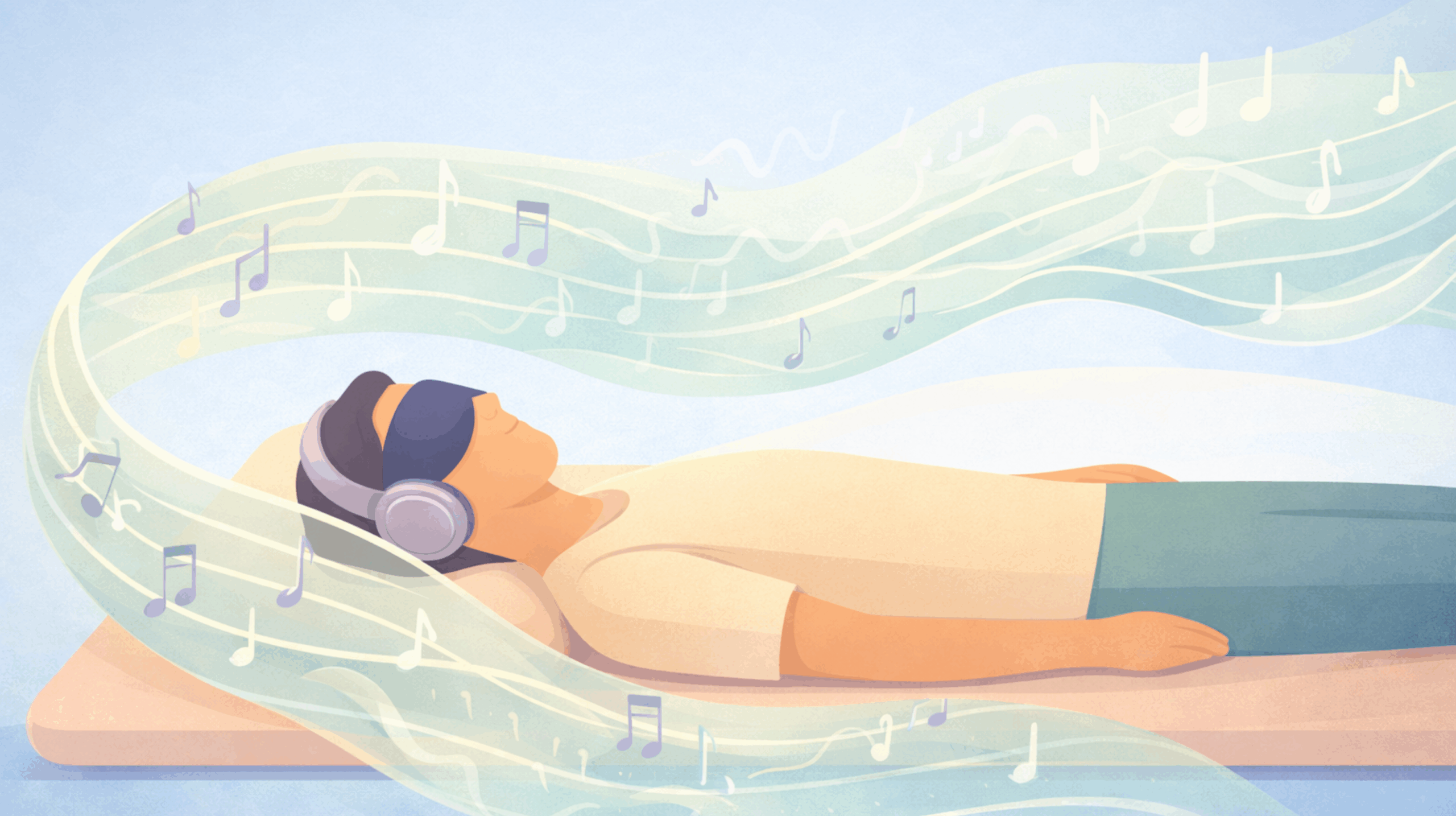
In the clinical treatment rooms of Johns Hopkins and Imperial College London, participants are given three things: a dose of psilocybin, a pair of eyeshades, and a pair of headphones. While the chemical catalyzes the experience, it is the music that can help to steer the ship
Neuroscientist Mendel Kaelen coined the term “The Hidden Therapist” to describe this phenomenon. In a psychedelic state, music ceases to be mere entertainment. Participants of this study – which, it should be mentioned, only had a sample size of 19 – reported that music helped act as a non-verbal support structure, a safety net during difficult moments, and a catalyst for the most profound emotional breakthroughs. For anyone planning a therapeutic journey – whether in a clinic or a safe retreat – curating the right soundscape may help have a positive impact on the psychedelic experience.
How Music Can Influence Your Trip
A term you’ll hear and read about often in the psychedelic community is “set and setting”, which refers to your mental state going into the trip and your surroundings during. Music is considered a part of the “setting”, and can play a role in the experience itself.
LSD, for example, was found to enhance the emotions of “wonder”, “power”, and “tenderness.” And that research by Kaelen at Imperial College London found that the quality of one’s music experience enhances “mental imagery” and “personal meaningfulness.”
When senses of self and normalcy are disrupted – which happens during psychedelic trips – music provides a continuous thread of continuity – an “anchor” of sorts to hold onto. It acts as a trusted guide, signaling that “this too shall pass” and helping the voyager navigate through challenging emotional waters without getting lost.
Anatomy of a Journey Playlist: The Wave Structure
Just as a movie has a narrative arc, a psychedelic playlist can mirror the arc of a psychedelic trip. The gold-standard “Wave” structure, pioneered by researchers like Bill Richards at Johns Hopkins, generally follows distinct phases.

Phase 1: Onset – Establishing Safety and Calm (Minutes 0–60)
As the drugs begins to take effect, anxiety is common. The goal here is reassurance.
- Music Vibe: Gentle, inviting, and consistent. Think melodious instrumental tracks that welcome you into the space.
- Instrumentation: Strings, flute, or gentle piano.
- Purpose: To signal safety and encourage the user to lie down and turn inward.
Phase 2: The Ascent – Building Intensity (Minutes 60–120)
As the effects intensify, the music needs to pick up the energy to match the expanding consciousness.
- Music Vibe: Rhythmic, driving, and distinct.
- Instrumentation: Tribal drums, cello, or rhythmic ambient beats.
- Purpose: To help the voyager “climb the mountain” and move through initial resistance.
Phase 3: The Peak – Emotional Release and Complexity (Minutes 120–240)
This is the heart of the journey. The music here should be emotionally evocative and structurally complex to match the intensity of the experience.
- Music Vibe: Grand, sweeping, and sometimes dissonant or challenging.
- Instrumentation: Classical symphonies (e.g., Górecki, Bach), choral music, or deep operatic pieces.
- Purpose: To facilitate “ego dissolution” and emotional release. Complex classical music is preferred here because its intricate structure gives the mind a massive landscape to explore, helping the voyager surrender rather than fight the experience.
Phase 4: The Return – Landing Softly (Minutes 240–End)
As the peak subsides, the music should pivot to warmth and integration.
- Vibe: Melodic, life-affirming, and gentle.
- Instrumentation: Acoustic guitar, folk songs, or “heart-opening” tracks (think: “Here Comes the Sun” by The Beatles).
- Purpose: To welcome the voyager back to their body and normal consciousness with a sense of gratitude.
Genre Guide: What to Play and What to Avoid
The Power of Classical and Ambient Soundscapes
Classical music is a staple of psychedelic therapy because it carries a narrative arc without imposing specific words. The “Western Classical” tradition (Bach, Mozart, Brahms) provides a structure that’s timeless and reliable. Conversely, modern ambient or “generative” music (like that used by Wavepaths) offers a more open, less directive space, which can be better for those who find classical music too demanding.
It may be helpful to some to avoid lyrical music during the onset and peak. Lyrics could impose a specific meaning (the songwriter’s story) onto the listener, which can derail the voyager’s own internal narrative. If the song is about a breakup, you might think about your ex-partner instead of your own deeper trauma.
Silence: The Underrated Track
Don’t be afraid of silence. If the music feels overwhelming or “too much,” taking the headphones off for a few minutes can act as a hard reset. Silence allows the mind to settle before re-engaging with the sound.
Legendary Playlists and Modern Tools
The Johns Hopkins Protocol (Bill Richards)
Psychologist Bill Richards curated the playlist used in the famous 2006 psilocybin study. It leans heavily on Western classical music (Vivaldi, Górecki) to provide a “structured trajectory” for the ego to surrender into.
- Listen Here: Johns Hopkins Psychedelic Therapy Playlist
Wavepaths and Generative Music
Founded by Mendel Kaelen, Wavepaths represents the future of this field. Instead of a static playlist, it uses generative AI to create a soundscape that adapts in real-time to the patient’s needs, offering a “responsive” music experience that is purely ambient and non-directive.
Frequently Asked Questions
Can I listen to my favorite songs during a psychedelic journey?
It’s not a hard rule, but you may want to avoid your own music. The reason is that playing music you have associations with can affect your thoughts during the trip.
How long should a psychedelic playlist be?
It should match the duration of the substance. For psilocybin (magic mushrooms), aim for a playlist of 5 to 6 hours. For LSD, you may need 8 to 10 hours.
Why is classical music often used in psilocybin studies?
While it isn’t always used, classical music typically features long, developing thematic structures that mimic the emotional trajectory of a deep psychological journey. Its complexity invites the brain to “let go” and follow the music, facilitating the state of surrender necessary for healing.
What should I do if the music starts to feel scary or overwhelming?
Change the track or embrace silence. Sometimes, “scary” music brings up an emotion that needs to be felt. However, if it triggers panic, switching to a simple, grounding track (like a heartbeat drum or gentle flute) can help re-regulate the nervous system.
Is there a difference between music for ketamine vs. psilocybin?
Yes. Ketamine is a dissociative anesthetic with a shorter duration (approx. 1 hour for infusions). The music is often more consistent, ambient, and less “narrative” than a psilocybin playlist, serving as a steady anchor to keep the patient tethered while they dissociate.