
-2-1.png)

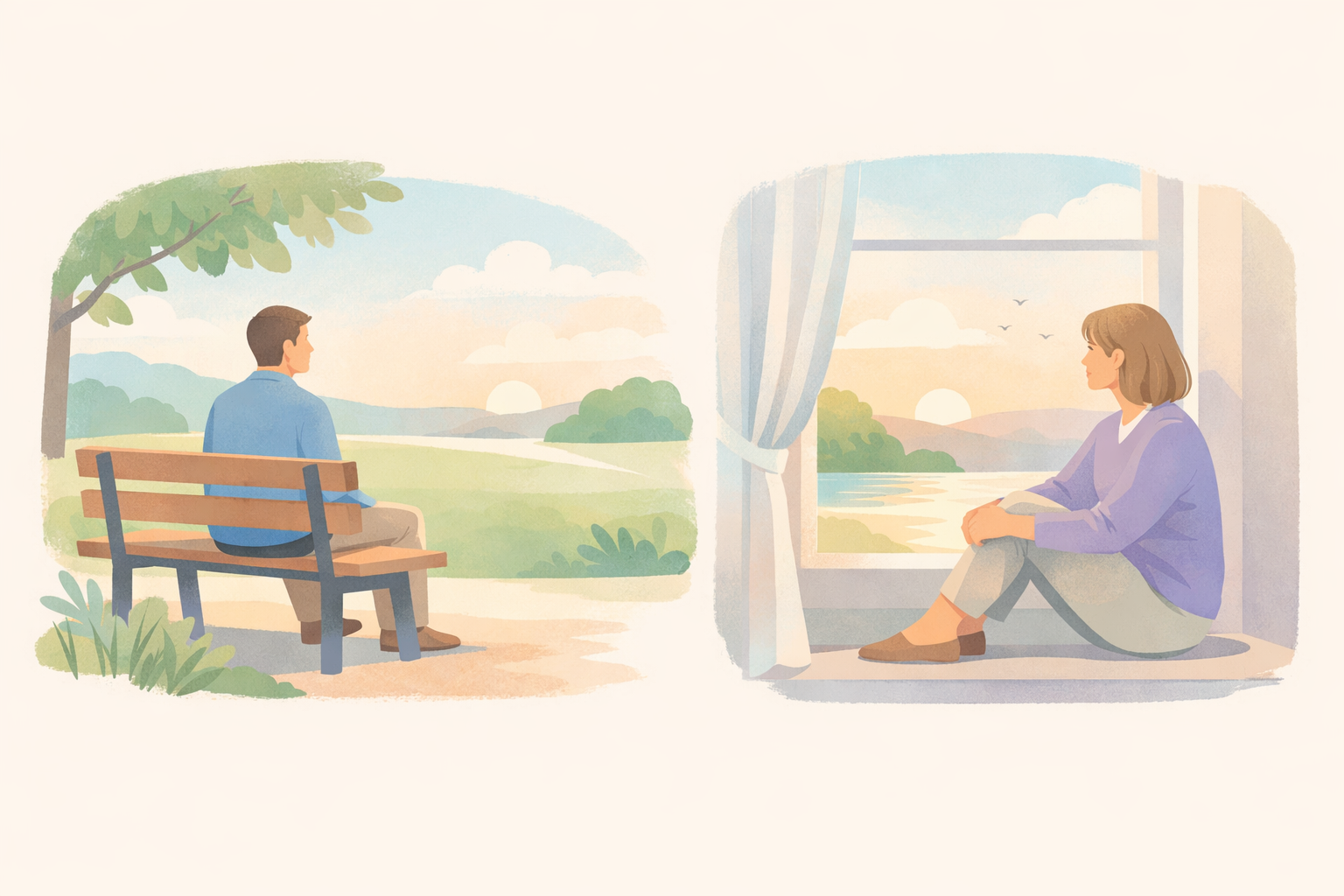
Divorce is devastating. Among the wreckage, you’re left with anxiety, doubt, shame, too many questions - and too few answers.
Studies tell us that time doesn’t always heal all wounds; it can take years to dissolve the attachment bonds between people who cared deeply enough to marry in the first place. Divorce is meant to be a transition into a new part of life, not years of extra-credit suffering.
As psychedelics continue to experience something of a clinical renaissance, more and more people are turning to retreats to find peace, grace, and a new perspective. Here’s what you need to know about using psilocybin to aid in dealing with a divorce.
Divorce as a Major Life Transition
Divorce rates in the United States have, according to some statistical aggregators, fallen by as much as 25% since 2000. Yet divorce remains a deeply traumatic experience for couples, with shattering emotional and psychological impacts alike.

Divorcees are faced with the prospect of processing the grief of losing the partnership, rediscover their personal identity, and rebuild their own lives after separating. It’s a tall order, especially when you’re under significant emotional duress.
However, challenging transitional periods in life are also opportunities - chances to affirm personal truths, reflect on past choices, and chart a new course forward.
Why Turn To Psychedelics After Divorce
Psychedelics are not a salve for misery or an analgesic for heartbreak. That said, compounds like psilocybin do appear to have clinical potential in facilitating the kind of emotional catharsis you can’t always find in therapy or through traditional prescriptions.
Opportunities for Personal Growth
Psilocybin has both short-term and persistent effects. The magic mushroom trip itself can last several hours, but there are residual effects - what some studies characterize as a psychedelic ‘afterglow’ - that can persist longer.
While more research is needed, the afterglow seems to be a window of increased neuroplasticity, or your brain’s ability to communicate across disparate regions locked down by stress or trauma.
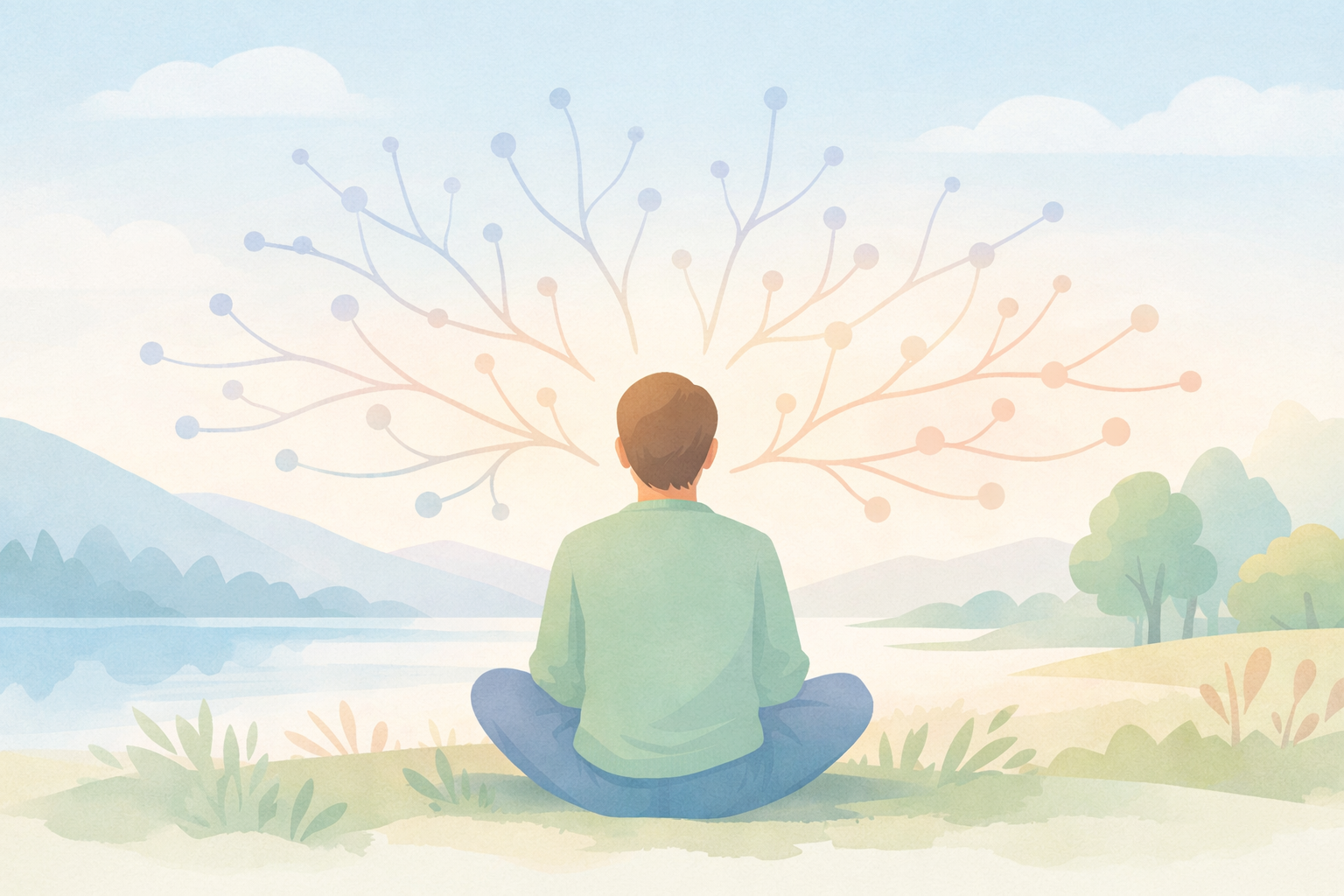
In plain English, psilocybin may “loosen the reins” and facilitates the creation of new neural connections over time. It’s within that neuroplastic window that psychedelic voyagers can make true, long-lasting progress and achieve personal growth.
Deep Introspection
Psychedelics can also be a catalyst for deep, introspective thought. That’s not solely because you take them in a low-stimulus environment or experience a floaty, out-of-body sensation (though these things help). On a chemical level, psilocybin can help you think deeper and more creatively.
Introspection, or thinking about oneself/one’s own circumstances, can be an emotional lifeline. Understanding your role and responsibility in the divorce - regardless of who was at fault in the eyes of the law - is crucial to moving past it.
Community & Common Ground
Psychedelics can also provide common ground for those in need. Psychedelic retreats attract both recreational voyagers and those suffering from despair, burnout, or specific mental illnesses like depression.
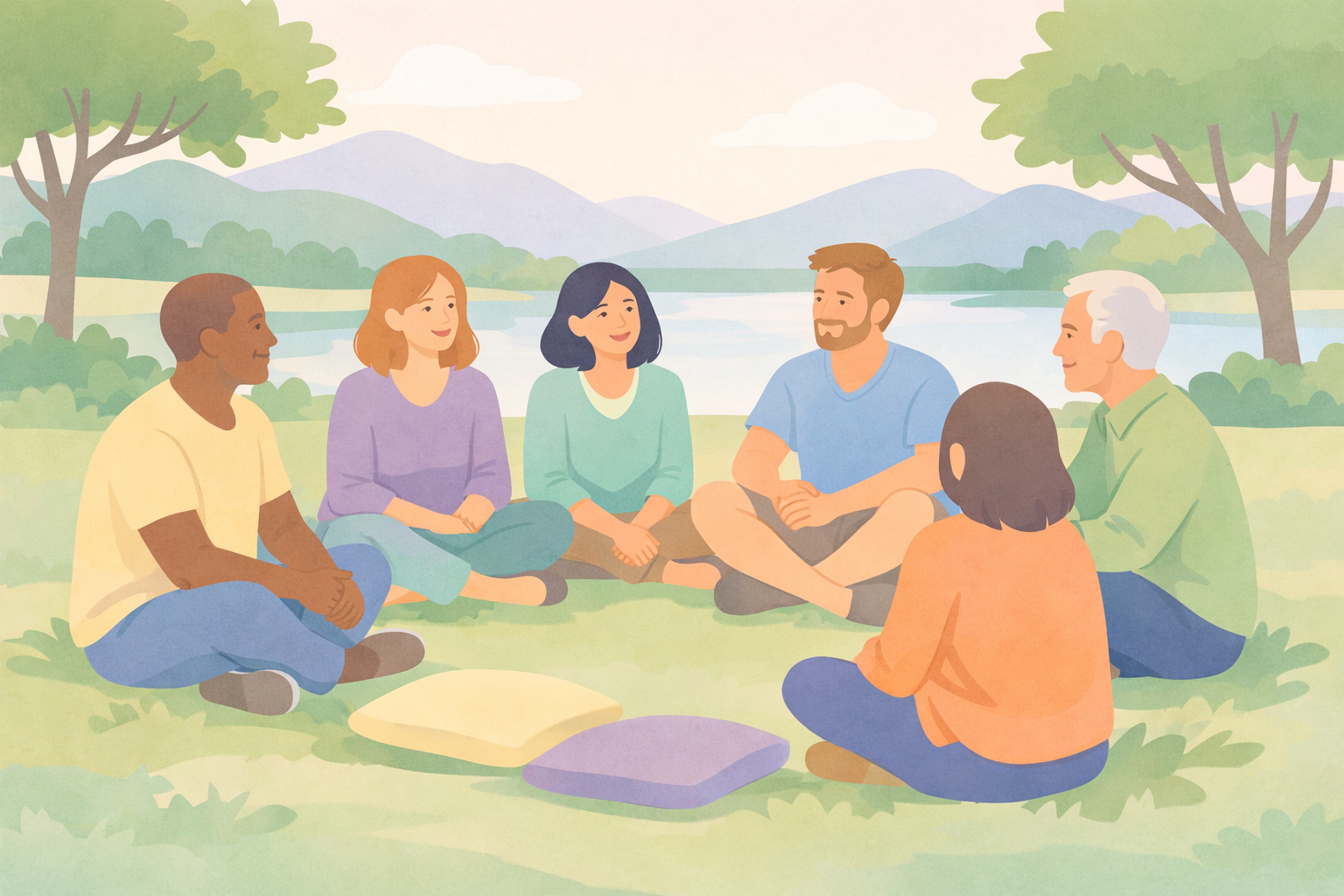
In a retreat, guests consume psilocybin and other psychedelics at calculated dosages and under the supervision of guides called facilitators. Good retreats take great pains to curate an environment that encourages open expression and connectivity - if you want it.
Psilocybin After Divorce: The Roles of Preparation & Integration
Let’s talk about taking psilocybin after divorce in a retreat setting. Structured psychedelic therapies are much more involved than habitual, independent use. Retreats adhere to the guiding principles of set, setting, & integration - the framework upon which psychedelic therapies rest - to provide the best experience possible to guests.
Preparation
Psychedelic retreat programs can last a weekend or longer, but you don’t consume magic mushrooms the entire time. Before the ritual itself, you’ll undergo an extensive pre-screening process.
This process covers your personal medical history, family history, and scours for medical contraindications which may prohibit you from taking psilocybin (a family history of psychosis, for instance, is usually a deal breaker).
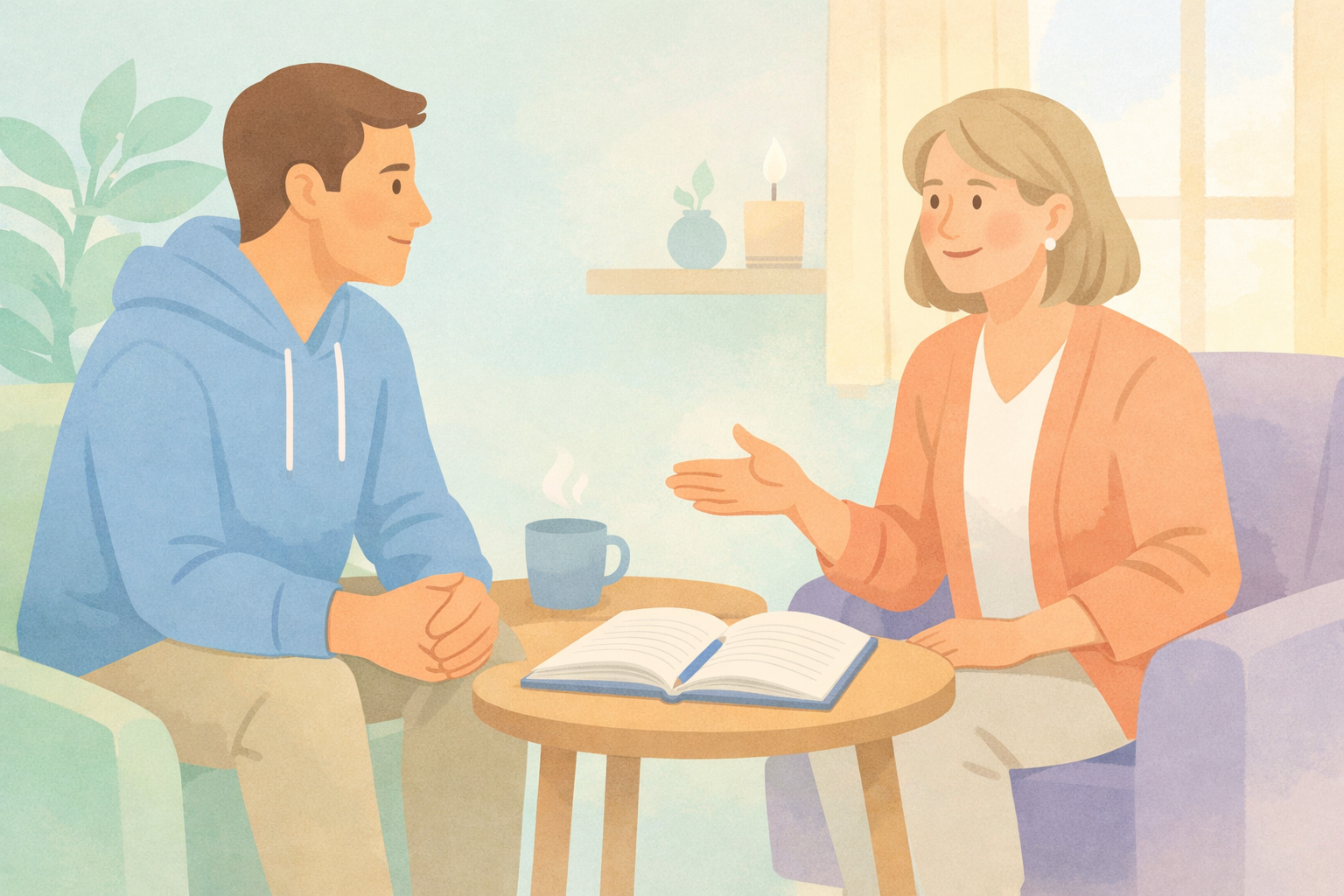
But beyond the clinical, psychedelic preparation also means getting your bearings emotionally. When it comes to psilocybin, the headspace and internal climate you carry into the session (your personal “set”) affects how the trip feels and what you get out of it.
Divorcees sometimes seek psychedelic retreats under duress. There’s nothing wrong with reaching out for relief, but it is essential that you establish a healthy perspective beforehand - retreat facilitators are critical players here.
Integration
Everything that comes after the acute effects of psilocybin falls under the framework of integration; making use of the emotional gestalt while your mind is primed for change. For divorcees wading through a swamp of doubt or grief, integration is important to help establish a new perspective.
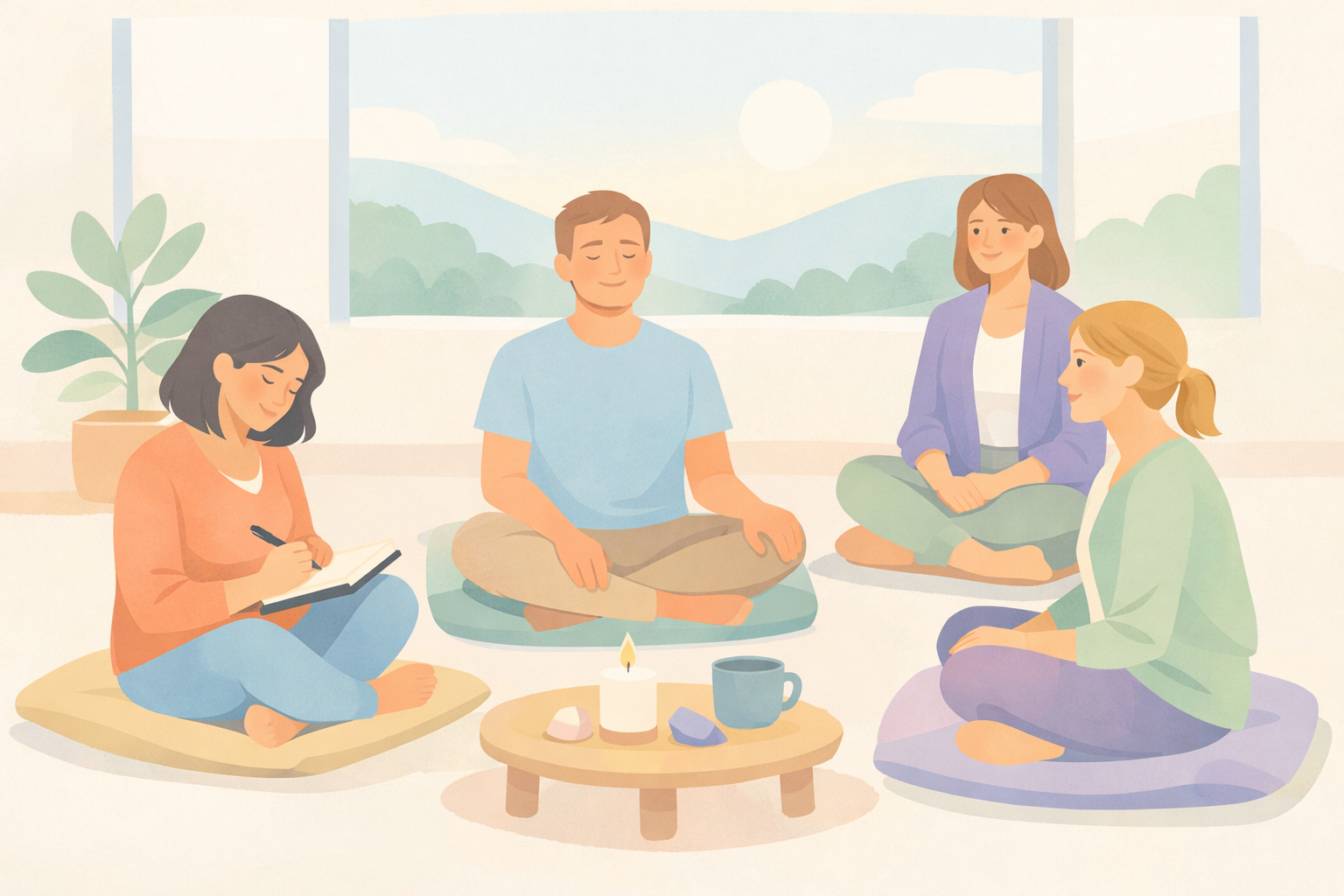
In practical terms, retreats employ integration tactics like individual or group therapy, journaling, or somatic exercise after the psilocybin physically “wears off.”
Remember, Healing Takes Time
Psychedelics like psilocybin after divorce may help you cope with difficult emotions or unlock a new perspective - but psychedelics aren’t necessarily a shortcut through grief. When utilized properly, however, psilocybin after divorce can be a valuable navigational aid.
Feeling lost or directionless after a breakup or divorce is normal. Know that you will eventually come home to yourself again. Psilocybin treatments can help illuminate your path, but you have to walk it yourself.
Frequently Asked Questions
Sources
- Chong, J. Y., & Fraley, R. C. (2026). The long-term stability of affective bonds after romantic separation: Do attachments simply fade away? Social Psychological and Personality Science, 17(1), 120–133.
- Evens R, Schmidt ME, Majić T, Schmidt TT. The psychedelic afterglow phenomenon: a systematic review of subacute effects of classic serotonergic psychedelics. Ther Adv Psychopharmacol. 2023 May 29;13:20451253231172254. doi: 10.1177/20451253231172254. PMID: 37284524; PMCID: PMC10240558.
- Mason NL, Kuypers KPC, Reckweg JT, Müller F, Tse DHY, Da Rios B, Toennes SW, Stiers P, Feilding A, Ramaekers JG. Spontaneous and deliberate creative cognition during and after psilocybin exposure. Transl Psychiatry. 2021 Apr 8;11(1):209. doi: 10.1038/s41398-021-01335-5. PMID: 33833225; PMCID: PMC8032715.
- Bathje GJ, Majeski E, Kudowor M. Psychedelic integration: An analysis of the concept and its practice. Front Psychol. 2022 Aug 4;13:824077. doi: 10.3389/fpsyg.2022.824077. PMID: 35992410; PMCID: PMC9386447.
Before you apply
Beckley runs legal, guided psilocybin retreats in Jamaica and psilocybin retreats in the Netherlands: four weeks of preparation, two guided sessions on retreat, six weeks of integration, online and at your own pace, one to two hours a week. Plain answers to the questions people ask first:
What a psilocybin retreat costs · What happens, day by day · Jamaica or the Netherlands · Who should not attend · Apply