

We prioritize accuracy, scientific evidence, and responsible reporting.
Learn more about our Editorial Standards.
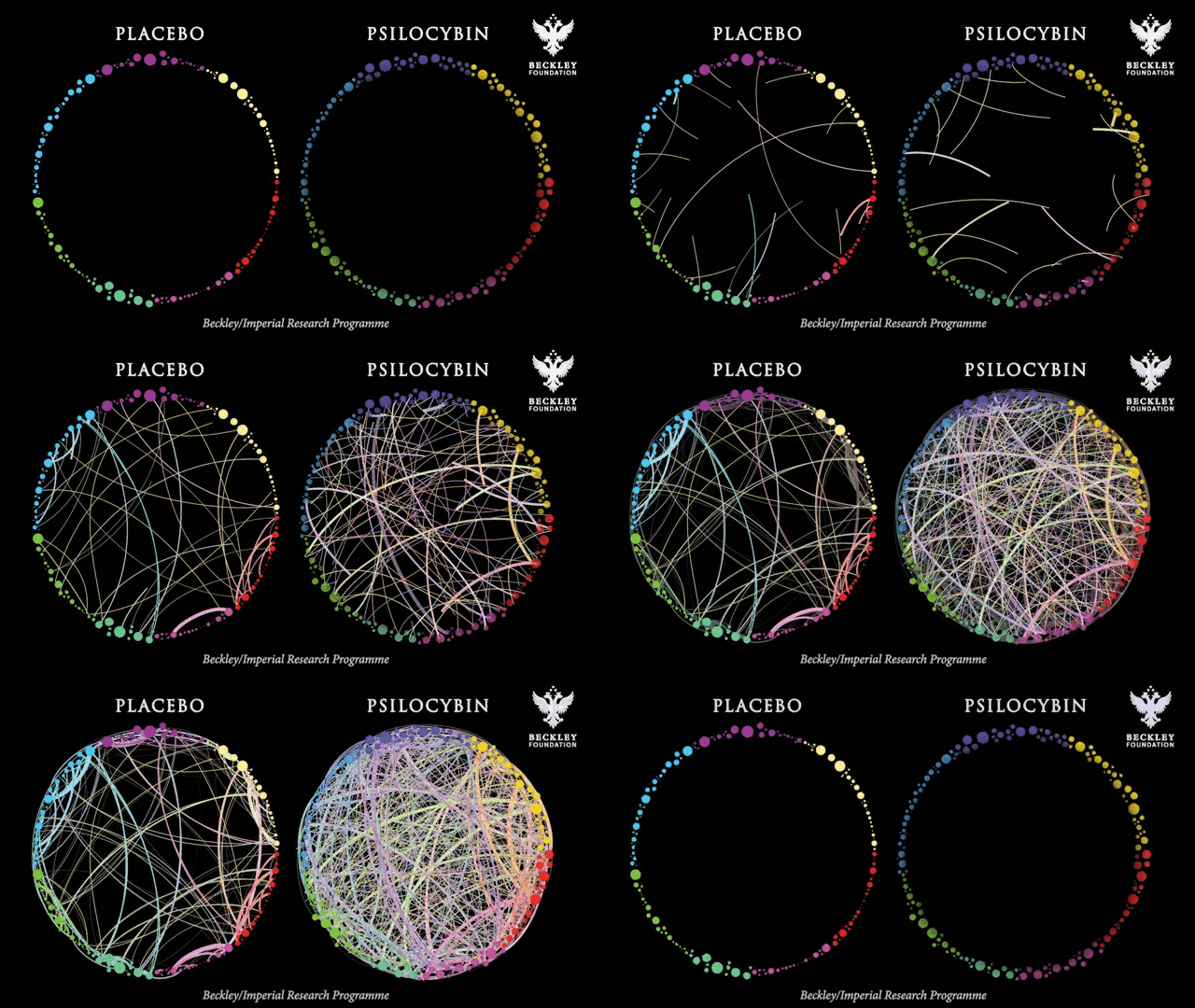
In recent years, the conversation surrounding mental health has expanded, among which the use of psychedelics to address anxiety has emerged as a particularly intriguing option. With a history rooted in traditional practices and bolstered by contemporary research, psychedelic therapy for anxiety offers a novel pathway for those seeking relief from persistent anxiety symptoms.
What is the History of Psychedelics and Anxiety?
The use of psychedelics for therapeutic purposes dates back thousands of years, with indigenous cultures utilizing these substances for spiritual and medicinal purposes. In the mid-20th century, researchers began to explore the potential of psychedelics, including LSD and psilocybin (the active compound in psychedelic mushrooms), for treating various mental health conditions. This early research laid the groundwork for what would become psychedelics for anxiety, demonstrating the potential of these substances to facilitate profound emotional and psychological healing.
However, the legal restrictions imposed on psychedelics in the late 1960s halted much of this research. It wasn’t until the 21st century that a resurgence of interest and scientific inquiry into the therapeutic benefits of psychedelics, particularly for conditions like anxiety, depression, and PTSD, began to gain momentum. Today, individuals are rediscovering the benefits of using psychedelics to explore new, mind-opening perspectives that can lead to a stronger, happier mindset.
Psychedelics & Anxiety
Embarking on the intent of using psychedelics for anxiety involves not only understanding the history and potential benefits of these substances but also navigating the practical aspects of their use. Whether you’re contemplating the best psychedelic substance for anxiety relief, considering the nuances of microdosing, or weighing the potential risks and benefits, the following information serves as a guide to making informed and safe choices. With a thoughtful approach and expert guidance, individuals can harness the potential of psychedelics to find relief from anxiety and embark on a journey toward deeper self-discovery and emotional healing.
Which Psychedelic is Best for Anxiety?
When considering psychedelics for anxiety, it’s important to understand that the experience can vary significantly depending on the substance used. Psychedelic mushrooms, known for their active ingredient psilocybin, have been extensively studied and are often highlighted for their efficacy in reducing anxiety symptoms.
Microdosing Psychedelics for Anxiety
Microdosing, the practice of taking sub-perceptual doses of psychedelics, has gained popularity as a method of using psychedelics to treat anxiety without the intensity of a full psychedelic experience. Microdosing psychedelics for anxiety involves consuming small fractions of the usual psychoactive dose, which can lead to subtle yet significant improvements in mood, creativity, and emotional balance, with many reporting reduced anxiety levels as a key benefit.
Can Psychedelics Cause Anxiety?
While psychedelics offer promising results in the treatment of anxiety, it’s crucial to approach their use with caution. In some cases, the psychedelic experience can intensify feelings of anxiety, especially in unsupervised settings or without proper preparation. This paradoxical effect underscores the importance of guidance and support from experienced professionals to navigate the experience safely and effectively.
Sign Up with Beckley Retreats to Learn More
Embarking on a psychedelic journey can unlock unparalleled insights and foster the development of new habits, paving the way to enriched relationships, heightened empathy, and overall wellbeing. With Beckley Retreats, you’re not just exploring psychedelics; you’re opening the door to a world of transformative potential. Through expert-led facilitation and a commitment to safety, our programs are designed to offer you a profound exploration of how psychedelic retreats can offer new perspectives and catalyze personal growth. Join Beckley Retreats to discover how these powerful experiences can inspire a deeper connection with yourself and the world around you.
Frequently Asked Questions
Can psychedelics help with anxiety?
Emerging research suggests psychedelics, particularly psilocybin, may help reduce anxiety symptoms in some people. Scientists began studying psychedelics for mental health conditions in the mid-20th century. Research into their potential for anxiety, depression, and PTSD has regained momentum in recent decades. Although findings are promising, psychedelics are not appropriate for everyone. Anyone considering them for anxiety should consult a qualified healthcare professional.
Which psychedelic is best for anxiety?
Psilocybin is among the most extensively studied psychedelics for anxiety and has shown potential for reducing symptoms. However, research has not established a single best psychedelic for everyone. Experiences can vary significantly depending on the substance used. Findings about psilocybin also do not automatically apply to other psychedelics, making it important to consider each substance's potential benefits and risks separately.
Does microdosing help with anxiety?
Some people report reduced anxiety from microdosing psychedelics, although these experiences do not establish that the practice is an effective treatment. Microdosing involves taking small, sub-perceptual fractions of a typical psychoactive dose to avoid the intensity of a full psychedelic experience. Reported benefits include subtle improvements in mood, creativity, and emotional balance. Individual responses vary, and anyone considering microdosing for anxiety should consult a qualified healthcare professional.
Can psychedelics make anxiety worse?
Yes. Psychedelics can intensify anxiety, particularly when taken without adequate preparation or in an unsupervised setting. Some people may experience heightened fear or emotional distress during a psychedelic experience, even when seeking relief from anxiety. A person's mindset, environment, and access to experienced support can influence how the experience unfolds.
Why did psychedelic research on anxiety stop?
Legal restrictions introduced in the late 1960s halted much of the scientific research into psychedelics. Before these restrictions, researchers had explored substances such as LSD and psilocybin for anxiety and other mental health conditions. Scientific interest began returning in the 21st century, leading to renewed investigations into psychedelics for anxiety, depression, and PTSD.
Before you apply
Beckley runs legal, guided psilocybin retreats in Jamaica and psilocybin retreats in the Netherlands: four weeks of preparation, two guided sessions on retreat, six weeks of integration, online and at your own pace, one to two hours a week. Plain answers to the questions people ask first:
What a psilocybin retreat costs · What happens, day by day · Jamaica or the Netherlands · Who should not attend · What research shows about lasting change · Apply
Related articles
-
Anxiety That Won't Go Away Despite Treatment
Learn about the complexities of anxiety treatment resistance, common challenges, and emerging solutions like psychedelics for …
Read article -
Ketamine vs Psilocybin: Understanding Two Pathways to Mental Wellness
The symptoms of depression and anxiety can range from uncomfortable to debilitating, and while traditional treatments (like …
Read article -
The Role of Set and Setting in Psychedelic Therapy
Taking psychedelics can be a transformative experience. The quality of those experiences depends on several factors
Read article
Beckley Editorial Team
The Beckley Retreats Editorial Team writes and edits our guides on psilocybin, psychedelic retreats, and the science behind them. Our writers and editors cover psilocybin research, retreat safety, legality, preparation, and integration, with one goal: clear, evidence-based information for anyone considering a psychedelic experience. Our programs are developed in partnership with leading researchers, and our content holds to the same standard. Every post on the Beckley Retreats blog is checked against published research and reviewed before it goes live. How we make and review our posts.