

We prioritize accuracy, scientific evidence, and responsible reporting.
Learn more about our Editorial Standards.
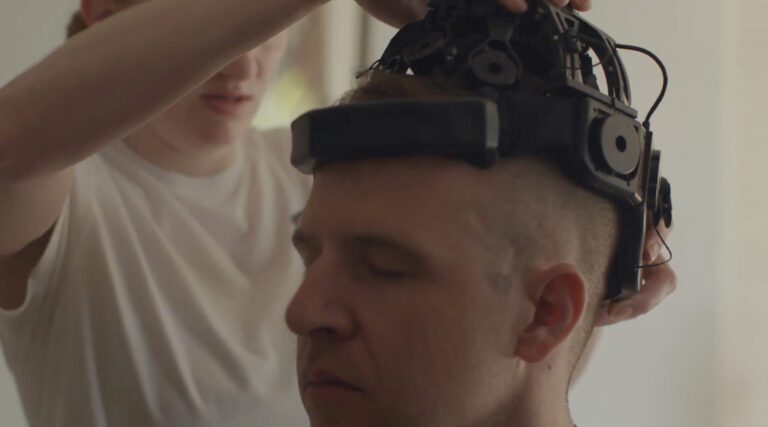
It is estimated that approximately 67% of U.S. military veterans have experienced at least one traumatic brain injury (TBI)¹. Among those deployed to Iraq or Afghanistan, an estimated 14% to 16% have been affected by PTSD or depression². For too many veterans returning from service, the invisible wounds of war persist well beyond their military service. But a new peer-reviewed study reveals that legal psilocybin retreat programs may help military veterans reduce symptoms of depression, anxiety, post-concussion syndrome, and psychological stress – offering a path that doesn’t rely solely on traditional pharmaceuticals or talk therapy. As debates around veteran mental health, psychedelic policy, and the limits of conventional care continue to gain urgency, this new research signals a meaningful path forward.
Closer Look at the Study
On July 10, 2025, Brain and Behavior published a landmark study titled “Exploring the Therapeutic Effects of Psychedelics Administered to Military Veterans in Naturalistic Settings.” The research followed 58 veterans who participated in legal psilocybin and ayahuasca retreats hosted by Beckley Retreats and Synthesis Institute. The findings are among the most comprehensive to date examining the long-term effects of psychedelics outside of clinical trial settings. The participants, most of whom had been previously diagnosed with PTSD, depression, anxiety, or traumatic brain injury (TBI), were assessed at three points: before the retreat, immediately after, and again three months later. All retreats combined psychedelic sessions with therapeutic preparation and integration, group processing, and trauma-informed support.What the Data Shows
The veterans who participated in psilocybin retreats reported statistically significant reductions in:
-
- Depression: 29.1% reduction (PHQ-9)
- PTSD: 26.1% reduction (PCL-5)
-
- Anxiety and stress
-
- Post-concussion symptoms
-
- Difficulties with reintegration into civilian life
-
- Veterans in psilocybin retreats showed greater improvements in post-concussion symptoms, depression, and civilian reintegration
- Ayahuasca participants experienced slightly greater reductions in PTSD symptoms
The Science Behind the Success
The study’s rigor adds weight to its promising findings. Senior author Dr. Robin Carhart-Harris, head of the Carhart-Harris Lab at UCSF, noted: “These findings add to the growing body of evidence suggesting that psilocybin, when used in safe and legal settings with proper support, may lead to long-lasting improvements in mental health for veterans and others with complex trauma.” The research design included comprehensive pre-screening, professional therapeutic support throughout the process, and structured integration sessions to help participants process and apply insights from their experiences. Tools and Rigor Behind the Research To ensure reliable and nuanced data, researchers used a comprehensive suite of validated instruments, including:-
- Depression, Anxiety, and Stress Scales (DASS-21)
-
- Patient Health Questionnaire (PHQ-9)
-
- State-Trait Anxiety Inventory (STAI-T)
-
- Post-Concussion Symptom Questionnaire (RPQ)
-
- Military to Civilian Questionnaire (M2C-Q)
-
- PTSD Checklist for DSM-5 (PCL-5)
-
- Quality of Life After Brain Injury (QOLIBRI)
These assessments helped researchers track both clinical symptoms and overall functioning. What This Means for the Future of Veteran Care The mental health crisis among veterans demands innovative solutions. With nearly 414,000 service members worldwide having sustained TBI between 2000 and late 2019, and traditional treatments often falling short for complex trauma cases, this research points toward a potentially transformative approach. The future of veteran mental health care likely won’t be found in any single treatment, but in comprehensive systems that address healing at multiple levels – biological, psychological, social, and spiritual. This study represents a significant step toward that more complete vision. Moving Forward Responsibly At Beckley Retreats, we remain committed to building on this foundation responsibly. While more research is needed, these findings reflect what many in our community have long sensed: with the right preparation and environment, personal transformation may be possible. If you’re a veteran navigating the aftereffects of TBI, PTSD, depression, or reintegration challenges, know that new options are emerging. Beckley also offers veteran-specific retreat programs, and our team can help explore whether one may be a fit for you. For additional mental health resources, veterans can also reach out to organizations like the Heroic Hearts Project, Veterans Exploring Treatment Solutions, Veterans Community Living Centers, Wounded Warrior Project, or speak with a VA mental health professional about emerging treatment options.
Frequently Asked Questions
Can psilocybin help veterans with traumatic brain injury?
Early research suggests psychedelic retreats may help reduce some symptoms experienced by veterans with a history of traumatic brain injury (TBI). A 2025 study involving 58 veterans attending psilocybin or ayahuasca retreats reported improvements in post-concussion symptoms, depression, anxiety, and stress. These findings are preliminary and do not establish that psilocybin treats or reverses brain injuries.
What did the 2025 study on psilocybin retreats for veterans find?
A 2025 study of 58 veterans attending legal psilocybin or ayahuasca retreats found average improvements of 29.1% in depression scores and 26.1% in PTSD scores across participants. Researchers also reported improvements in anxiety, post-concussion symptoms, and reintegration into civilian life. These changes were measured approximately four weeks after the retreats. Further controlled research is needed to establish their causes and long-term durability.
What is the difference between psilocybin and ayahuasca for veterans?
In the 2025 veterans study, participants attending psilocybin retreats reported greater improvements in depression, anxiety, post-concussion symptoms, and civilian reintegration. Those attending ayahuasca retreats showed slightly greater reductions in PTSD symptoms. These findings suggest potentially different outcomes, but the study was observational and cannot establish that either substance is more effective for a particular condition.
How common is traumatic brain injury among veterans?
Traumatic brain injury (TBI) is a significant concern among U.S. military veterans, particularly those exposed to combat or blast injuries. Symptoms may include persistent headaches, cognitive difficulties, emotional dysregulation, and disrupted sleep. Research cited in the article also found that service members with a history of TBI were more than twice as likely to develop PTSD later.
Are there psilocybin retreats specifically for veterans?
Yes. Some psilocybin retreats offer programs specifically designed for military veterans, including those dealing with trauma, PTSD, and difficulties adjusting to civilian life. These programs may combine psychedelic sessions with screening, preparation, group support, and integration. Organizations such as Heroic Hearts Project and Veterans Exploring Treatment Solutions help veterans explore these opportunities. Beckley Retreats also offers veteran-specific programs.
Related articles
-
The Real Risks of Psychedelics (and How To Reduce Them)
Psychedelics may be more popular than ever, but that doesn’t mean they’re perfectly safe.
Read article -
What is Guided Psilocybin Therapy?
The guided use of psilocybin is an emerging form of mental health treatment that combines the use of psilocybin
Read article -
Learn about the potential risks and benefits of psilocybin, and how to use it safely and responsibly.
Read article
References:
[1] https://biausa.org/public-affairs/media/studying-tbi-in-veteran-populations [2] https://www.ncbi.nlm.nih.gov/books/NBK572092/Before you apply
Beckley runs legal, guided psilocybin retreats in Jamaica and psilocybin retreats in the Netherlands: four weeks of preparation, two guided sessions on retreat, six weeks of integration, online and at your own pace, one to two hours a week. Plain answers to the questions people ask first:
What a psilocybin retreat costs · What happens, day by day · Jamaica or the Netherlands · Who should not attend · What research shows about lasting change · Apply

Juana